
8 Critical Warning Signs You Need Tire Service Now
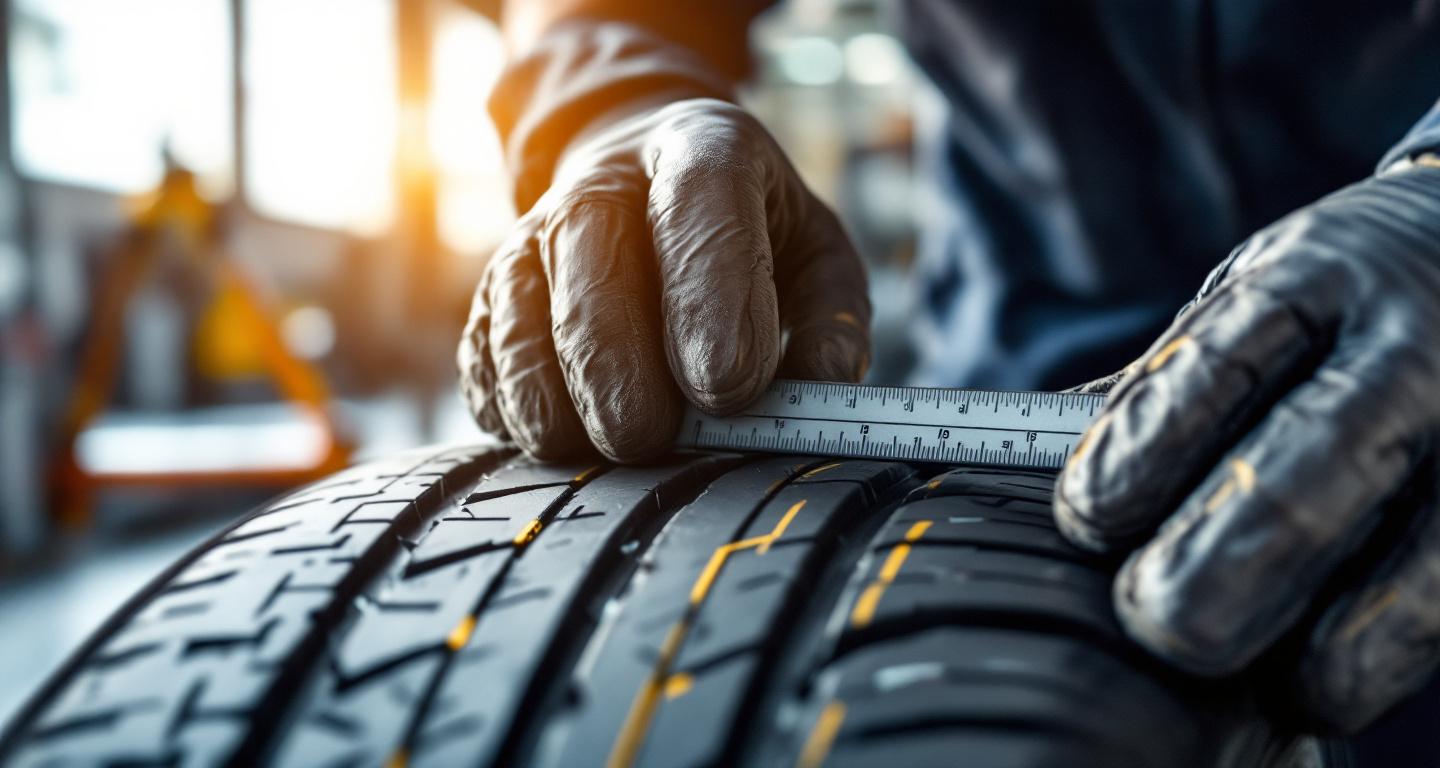
You need tire service when tread depth reaches 2/32 inch, sidewalls show cracks or bulges, tires wear unevenly, you feel vibrations while driving, or tires are over six years old regardless of appearance.
Why Does Tire Condition Matter for Your Safety?
Your tires are the only part of your vehicle that touches the road, making them critical for your safety and that of other drivers. Worn or damaged tires can lead to blowouts, loss of control, and accidents, especially in wet or icy conditions. The difference between good tires and poor ones can mean stopping 100 feet sooner in an emergency or maintaining control during a sudden maneuver. Beyond safety, properly maintained tires improve fuel efficiency, provide a smoother ride, and save money by preventing premature replacement. Understanding when your tires need professional attention helps you make informed decisions before minor issues become dangerous or expensive problems.
What Are the Most Critical Visual Warning Signs?
These visual indicators require immediate professional attention:
- Tread wear indicators (raised bars) are visible across the tire surface - this means you've reached the legal minimum tread depth of 2/32 inch
- Sidewall cracks, cuts, or bulges that could indicate internal damage or imminent tire failure
- Uneven wear patterns like cupping, feathering, or wear on only one side of the tire
- Foreign objects like nails, screws, or glass embedded in the tread that could cause slow leaks
- Exposed cords or fabric showing through worn tread areas
- Significant color changes or dry rot, especially on older tires stored in harsh conditions
How Can You Perform the Penny Test at Home?
The penny test is a simple way to check if your tread depth has become dangerously low. Insert a penny into your tire's tread groove with Lincoln's head pointing down. If you can see the top of Lincoln's head, your tread depth is 2/32 inch or less, and you need immediate tire replacement. For better safety margins, use a quarter instead - if you can see the top of Washington's head, your tread is at 4/32 inch, which means it's time to start shopping for new tires. While this test is helpful for quick checks, professional tire services use precise gauges that provide exact measurements and can assess overall tire condition more comprehensively.
What Driving Symptoms Indicate Tire Problems?
Pay attention to these changes in your vehicle's behavior:
- Vibrations in the steering wheel, seat, or floorboard that weren't there before
- Vehicle pulling to one side even when driving straight on level road
- Unusual road noise, squealing, or thumping sounds from the tires
- Longer stopping distances or reduced traction in normal conditions
- Steering that feels loose, unresponsive, or requires constant correction
When Does Tire Age Become a Safety Concern?
Tire age matters as much as tread depth for safety. Rubber compounds deteriorate over time regardless of mileage, especially when exposed to heat, sunlight, and ozone. Most tire manufacturers recommend replacement after six years, and many consider ten years the absolute maximum safe age. You can find your tire's manufacture date on the sidewall - look for a four-digit DOT code where the last four numbers indicate the week and year of manufacture. For example, '2318' means the 23rd week of 2018. Even tires with good tread should be inspected more frequently after five years and replaced based on professional assessment rather than appearance alone.
Monthly Tire Inspection Checklist
Perform these checks monthly to catch problems early:
- Check tire pressure when tires are cold (before driving)
- Inspect tread depth using the penny test or tread depth gauge
- Look for cuts, cracks, bulges, or foreign objects in tires
- Check for uneven wear patterns across all tires
- Examine sidewalls for signs of aging or damage
- Verify that valve caps are present and tight
- Note any changes in vehicle handling or tire noise
What Causes Premature Tire Wear?
Understanding what causes premature tire wear helps you address root causes, not just symptoms. Improper tire pressure is the leading cause - underinflated tires wear on the outer edges while overinflated tires wear in the center. Misaligned wheels cause tires to scrub against the road, creating uneven wear patterns and reducing tire life by thousands of miles. Worn suspension components, aggressive driving habits, and failure to rotate tires regularly also contribute to premature wear. Additionally, mixing tire types or sizes, overloading your vehicle beyond its capacity, and frequent hard braking or acceleration can significantly shorten tire life and create safety hazards.
Most tire failures could be prevented with regular inspections and proper maintenance. Don't wait until you're stranded on the roadside to pay attention to your tires.
National Highway Traffic Safety Administration
How Do Weather and Seasonal Changes Affect Tire Needs?
Seasonal changes significantly impact tire performance and longevity. Temperature fluctuations cause tire pressure to change - for every 10-degree temperature drop, tire pressure decreases by 1-2 PSI. Winter driving on snow and ice requires different tread patterns and rubber compounds than summer driving on hot pavement. All-season tires become less effective in severe winter conditions, while summer performance tires can become dangerously hard and brittle in cold weather. Spring is an ideal time for comprehensive tire inspections after winter's harsh conditions, while fall preparation should include checking tread depth before wet weather arrives. Professional tire services can recommend the right tires for your climate and driving conditions.
What Should You Do When You Notice Warning Signs?
Take these immediate steps when you identify tire problems:
- Reduce driving speed and avoid highway driving until tires are inspected
- Check tire pressure and inflate to manufacturer specifications if low
- Schedule professional tire inspection within 24-48 hours for safety-critical issues
- Document tire condition with photos for insurance purposes if damage occurred
- Avoid temporary fixes like tire sealants for structural damage or severe wear
How Can You Find a Trustworthy Tire Service Provider?
Finding a reliable tire service provider requires more than reading online reviews from strangers. The best tire shops are those trusted by people in your extended network - friends, colleagues, and community members who have experience with local providers. These personal connections offer context about service quality, pricing fairness, and long-term reliability that anonymous reviews can't provide. Look for shops that offer comprehensive inspections, explain findings clearly, provide written estimates, and stand behind their work with solid warranties. Professional tire services should have modern equipment, certified technicians, and a track record of honest recommendations rather than high-pressure sales tactics.
Frequently Asked Questions
How often should I check my tire pressure?
Check tire pressure monthly when tires are cold, before driving. Temperature changes, normal air permeation, and small leaks cause pressure to drop gradually over time.
Can I drive on a tire with a nail in it?
You can drive short distances slowly to reach a tire shop, but don't remove the nail yourself. Professional repair depends on the nail's location and size.
When should I replace all four tires at once?
Replace all four tires when tread depth differences exceed 2/32 inch, especially on all-wheel-drive vehicles where uneven tires can damage the drivetrain.
How long do tires typically last?
Most tires last 25,000-50,000 miles depending on driving habits, maintenance, and tire quality, but age matters too - replace tires over 6 years regardless of tread.
What's the difference between tire rotation and alignment?
Tire rotation moves tires to different positions for even wear, while alignment adjusts wheel angles. Both services extend tire life but address different issues.
Are used tires ever a safe option?
Used tires can be safe if properly inspected for age, wear patterns, and damage, but you can't verify their history or how they were maintained.
Find Trusted Tire Service Near You
Don't trust your safety to unknown service providers. Tools like Linked By Six automatically show you which tire shops and mechanics your friends, colleagues, and neighbors already trust - see your network's recommendations before you search. Skip the guesswork and find reliable tire service through people you know.
Recognizing tire warning signs early protects your safety and saves money by preventing emergency situations and premature replacements. Regular monthly inspections, attention to driving symptoms, and understanding tire age limits help you stay ahead of potential problems. Remember that tires affect every aspect of your vehicle's performance - from stopping distance to fuel economy to ride comfort. When you notice warning signs, don't delay professional inspection. Your tires are too important for your safety to ignore these critical indicators, and finding trustworthy service providers through your personal network ensures you get honest assessments and quality work.