
8 Critical Warning Signs You Need a Plumber Right Now
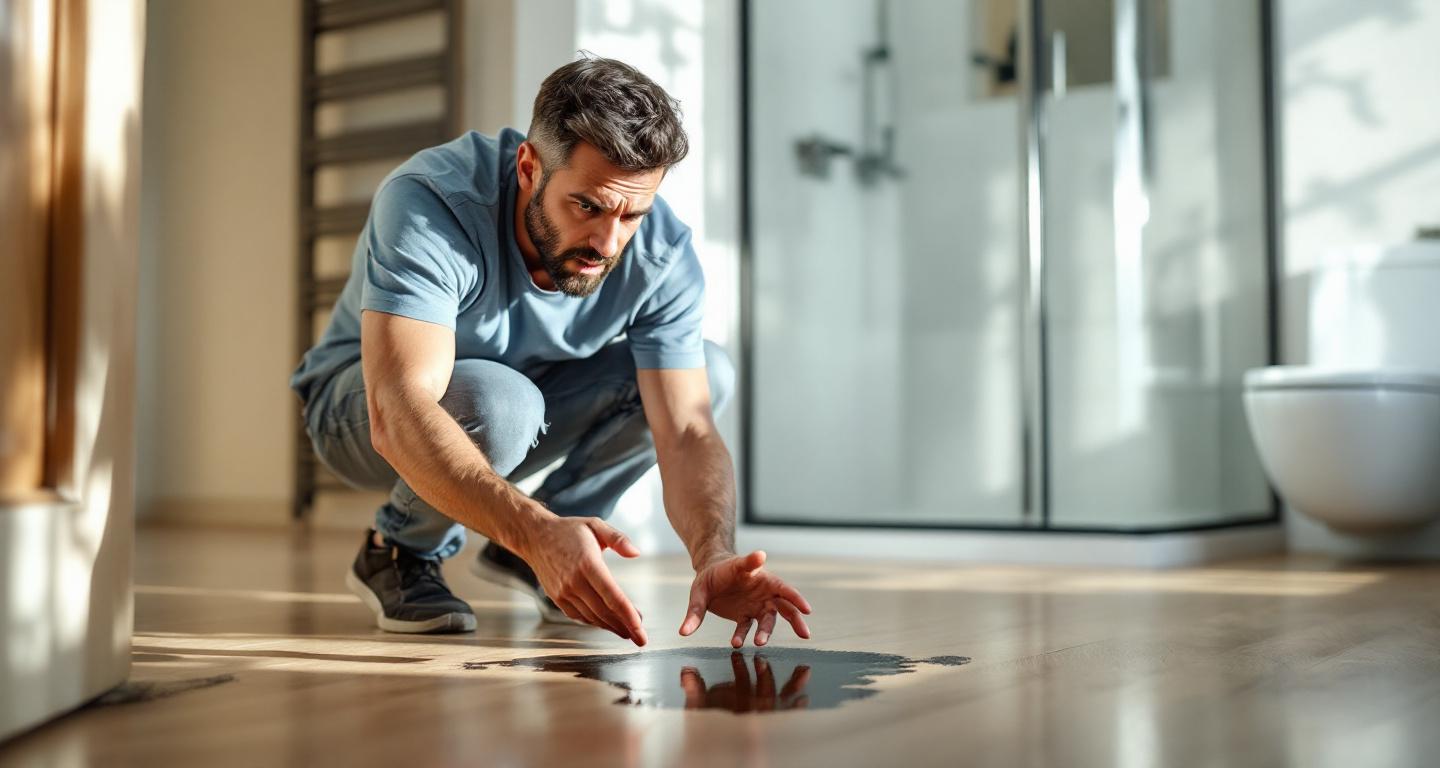
Critical warning signs requiring immediate plumbing attention include sudden water pressure drops, unusual gurgling sounds, persistent sewage odors, visible water stains, consistently running toilets, multiple drain clogs, and unexplained water bill increases—all indicating potentially costly problems developing.
Why Early Detection Saves Thousands in Damage
Most plumbing disasters don't happen overnight—they develop gradually through warning signs that homeowners often dismiss as minor inconveniences. A small leak behind a wall can cause thousands in structural damage before becoming visible. According to the Insurance Information Institute, water damage claims average $10,234 per incident, with many stemming from ignored early warning signs. Understanding these signals empowers you to take action before minor issues become major expenses. The key is recognizing that plumbing systems communicate problems through changes in performance, sounds, smells, and visible signs. When you catch these early indicators, you're not just preventing damage—you're protecting your home's value and your family's safety.
What Does Sudden Water Pressure Loss Really Mean?
When water pressure drops dramatically in your home, it's rarely just an inconvenience—it's often a symptom of serious underlying issues that demand immediate attention:
- Hidden pipe leaks diverting water flow, potentially flooding wall cavities or your foundation
- Mineral buildup or corrosion restricting flow, indicating aging pipes that may fail soon
- Main water line problems affecting your entire property's water supply
- Pressure regulator failure, which can damage appliances and fixtures throughout your home
- Municipal supply issues that require coordination with local utilities for resolution
When Strange Sounds Signal Serious Problems
Your plumbing system should operate quietly. When pipes start making unusual noises, they're telling you something important. Gurgling sounds from drains often indicate partial blockages that will worsen over time, potentially causing backups into your home. Banging or hammering sounds when you turn off faucets suggest water hammer issues that can damage pipe joints and connections. Whistling from pipes typically means restricted flow from buildup or damage. These sounds aren't just annoying—they're early warnings that can help you avoid emergency situations. Professional plumbers can interpret these acoustic clues to identify problems before they cause visible damage or complete system failure.
How to Spot Water Damage Before It Spreads
Water stains and discoloration are like breadcrumbs leading to hidden plumbing problems. Here's what different signs typically indicate:
- Yellow or brown ceiling stains usually point to leaking pipes in walls or above
- Warped or bubbling wall surfaces suggest moisture infiltration from hidden leaks
- Musty odors combined with visible staining often indicate ongoing moisture problems
- Peeling paint or wallpaper near plumbing fixtures signals chronic moisture exposure
- Soft or spongy flooring around toilets or tubs indicates subfloor water damage
- Dark spots or discoloration around pipe connections reveal active or recent leaks
Why a Running Toilet Is More Than Just Annoying
A toilet that runs constantly isn't just wasting water—it's signaling component failure that often escalates quickly. The average running toilet wastes 200 gallons per day, adding $35 monthly to your water bill. But the real concern is what's causing the problem. Failing flappers, broken chains, or worn fill valves indicate aging internal mechanisms that tend to fail in clusters. When one component breaks, others are likely near failure too. More seriously, constantly running water can mask the sounds of other problems, like leaks in the toilet's connection to your home's drainage system. A toilet that suddenly starts running frequently may also indicate pressure changes in your plumbing system that could affect other fixtures.
What Multiple Slow Drains Really Tell You
When several drains in your home slow down simultaneously, it's rarely a coincidence. Use this checklist to assess the severity:
- Multiple bathroom fixtures draining slowly (indicates main drain line issues)
- Kitchen and bathroom drains both affected (suggests problems with your home's main sewer connection)
- Basement floor drains backing up when other drains are used (signals serious blockage in main line)
- Gurgling sounds from floor drains when toilets flush (indicates air pressure problems in drainage system)
- Sewage odors accompanying slow drainage (suggests partial blockage allowing gas backup)
- Standing water in multiple fixtures simultaneously (requires immediate professional intervention)
How Your Water Bill Reveals Hidden Problems
Your monthly water bill is one of the most reliable early warning systems for plumbing problems. A sudden 20% increase without changes in usage patterns typically indicates a leak somewhere in your system. Small leaks can waste thousands of gallons monthly while remaining invisible to homeowners. The EPA estimates that 10% of homes have leaks wasting 90 gallons daily. But beyond waste, these leaks often signal aging pipes, loose connections, or failing fixtures that will worsen over time. Track your water usage patterns—unexplained increases almost always indicate problems that are cheaper to fix early than after they cause visible damage.
When Hot Water Issues Signal Bigger Problems
Hot water problems often indicate issues beyond just your water heater. Sudden temperature fluctuations can signal pressure problems throughout your plumbing system. Reduced hot water capacity might indicate sediment buildup that's also affecting your pipes. Discolored hot water often means corrosion in your system that could be damaging pipes and fixtures. Strange noises from your water heater frequently indicate problems that, if ignored, can lead to flooding from tank failure. Most importantly, if multiple hot water issues appear simultaneously with other plumbing symptoms, you likely have system-wide problems that require comprehensive professional assessment rather than piecemeal repairs.
The Hidden Dangers of Foundation Problems
Plumbing problems and foundation issues often go hand in hand, creating dangerous cycles of damage. Leaking pipes can saturate soil around your foundation, causing settling, cracks, and structural problems. Conversely, foundation movement can stress and break pipes, creating new leaks. Signs like cracks in walls, doors that suddenly don't close properly, or gaps around windows can indicate water damage affecting your home's structure. If you notice these symptoms alongside plumbing issues, you're dealing with a serious situation that requires immediate professional assessment. The longer these problems persist, the more expensive repairs become, often reaching tens of thousands of dollars in combined structural and plumbing restoration costs.
Frequently Asked Questions
How quickly should I call a plumber when I notice warning signs?
Call within 24 hours for issues like sewage odors, multiple drain clogs, or water stains. For sudden pressure loss, running water sounds, or visible leaks, call immediately—these can cause rapid damage.
Can I ignore small leaks if they're not causing visible damage?
Never ignore any leak. Small leaks often indicate bigger problems developing and can cause hidden structural damage, mold growth, and significantly higher water bills while worsening over time.
What's considered a plumbing emergency that needs immediate attention?
Sewage backups, burst pipes, no water throughout the house, flooding, strong sewage odors, or any situation threatening your home's structure or your family's health requires immediate emergency service.
How can I tell if my water bill increase indicates a serious problem?
Any unexplained increase over 20% typically indicates leaks. Compare usage to previous months—if consumption jumped without lifestyle changes, you likely have hidden leaks requiring professional detection and repair.
Are some plumbing warning signs more serious than others?
Yes. Sewage odors, multiple simultaneous problems, and anything involving your main sewer line are most serious. Single fixture issues are typically less urgent but still need prompt attention.
Should I try DIY fixes when I notice these warning signs?
Most warning signs indicate problems requiring professional diagnosis. DIY attempts often mask symptoms without fixing root causes, potentially making problems worse and more expensive to repair later.
Find a Trusted Plumber Before You Need One
Don't wait for a plumbing emergency to search for help. Tools like Linked By Six automatically show you which local plumbers your friends, neighbors, and colleagues already trust—giving you confidence in your choice before problems become disasters. Prepare now so you're ready when warning signs appear.
Recognizing plumbing warning signs early is one of the most valuable skills any homeowner can develop. From subtle changes in water pressure to mysterious increases in utility bills, your home constantly communicates its needs. The key is learning to listen and respond promptly. Remember that most plumbing disasters are preventable when you address warning signs quickly. Don't let small problems become expensive emergencies—trust the signals your plumbing system sends and take action when you spot these critical warning signs.