
8 Warning Signs You Need a Kitchen Remodeler Now
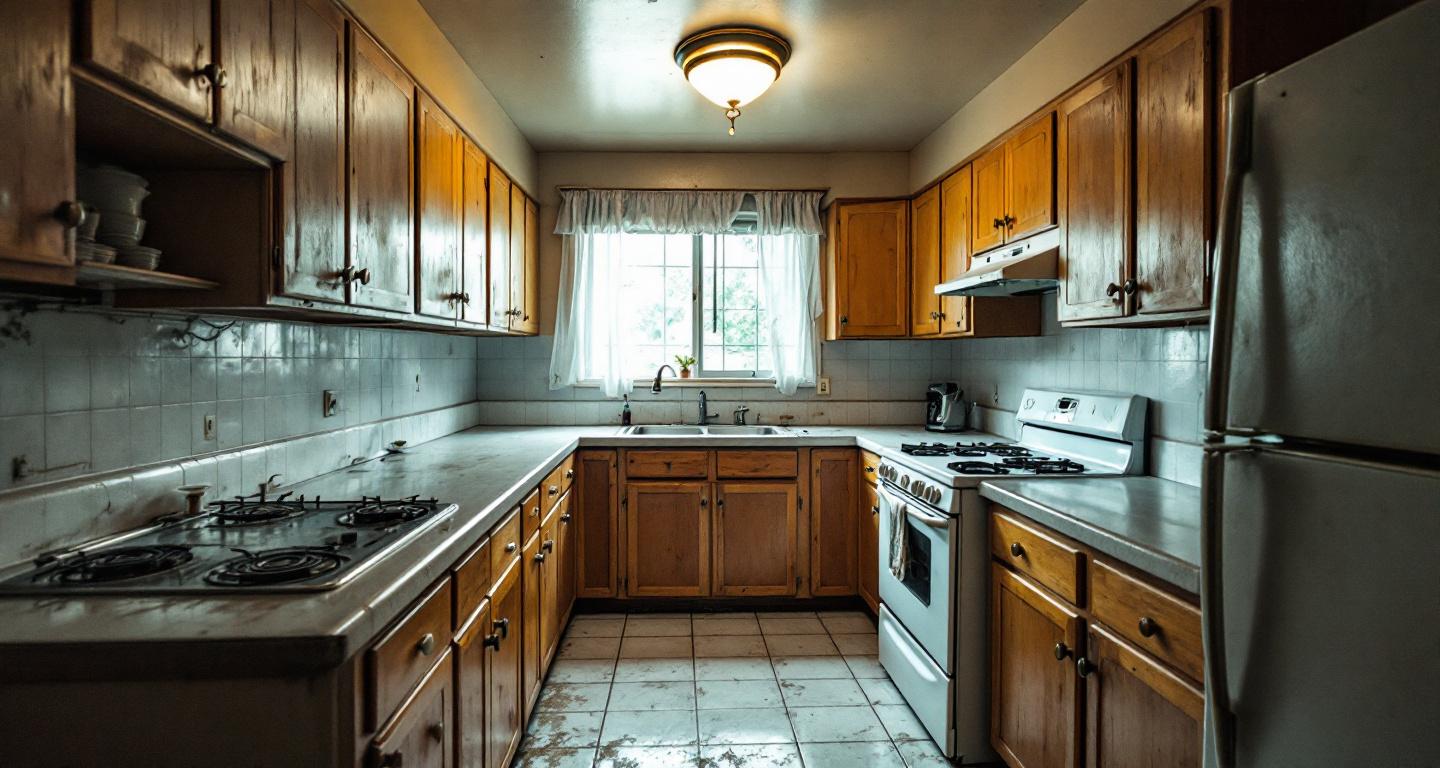
You need a kitchen remodeler when you notice functional problems like insufficient storage, poor workflow, outdated appliances breaking frequently, water damage, safety hazards, or when your kitchen significantly decreases your home's value compared to similar properties.
Why Does Kitchen Functionality Matter So Much?
Your kitchen isn't just a room—it's the heart of your home where you prepare meals, gather with family, and often entertain guests. When this central space stops functioning efficiently, it affects your daily life and your home's value. Understanding the warning signs that indicate you need professional remodeling help can save you from costly emergency repairs and help you make informed decisions about your investment. A well-functioning kitchen should enhance your lifestyle, not create daily frustrations or safety concerns.
What Are the Most Obvious Functional Red Flags?
Certain functional problems signal that your kitchen has outgrown basic repairs and needs comprehensive remodeling:
- Insufficient counter space forces you to use dining tables or other surfaces for food prep
- Cabinet doors won't close properly due to warped wood or broken hinges
- Drawers stick, fall off tracks, or can't hold typical kitchen items without sagging
- You constantly struggle to find storage space for basic kitchen essentials
- The kitchen layout creates traffic jams when multiple people are cooking
- Appliances are crowded together, creating safety hazards or poor workflow
How Do You Know When Appliances Signal Bigger Problems?
While individual appliance failures happen, patterns of breakdown often indicate deeper issues. If your refrigerator, dishwasher, and range are all from the same era and beginning to fail, you're likely facing a cascade of replacements. More importantly, older appliances may not fit standard modern dimensions, meaning simple replacements become complex projects requiring cabinet modifications. Energy inefficiency is another major factor—if your monthly utility bills spike during heavy cooking periods, your appliances are probably costing you hundreds annually in excess energy costs.
What Safety Hazards Require Immediate Professional Attention?
These safety issues go beyond cosmetic concerns and need expert evaluation:
- Electrical outlets spark, don't hold plugs securely, or aren't GFCI protected near water
- Gas appliances produce yellow flames instead of blue, indicating improper combustion
- Flooring has soft spots that could indicate water damage or structural issues
- Ventilation is inadequate, causing persistent moisture, odors, or grease buildup
- Plumbing leaks have caused visible water damage or mold growth
- Countertops have deep cracks that harbor bacteria or create sharp edges
When Does Your Kitchen's Age Become a Real Problem?
Kitchen design and building codes evolve significantly over decades. If your kitchen hasn't been updated in 15-20 years, it likely lacks modern safety features like GFCI outlets, proper ventilation, and adequate lighting. Beyond safety, older kitchens often have inefficient layouts that don't match how families cook and entertain today. Open floor plans, larger islands, and integrated technology are now standard expectations. While age alone doesn't necessitate remodeling, it often correlates with multiple systems reaching the end of their useful life simultaneously.
How Do You Assess Your Kitchen's Impact on Home Value?
Follow these steps to evaluate whether your kitchen helps or hurts your property value:
- Compare your kitchen photos to recent listings of similar homes in your neighborhood
- Note how many nearby home listings prominently feature updated kitchens in marketing
- Consider whether you'd be embarrassed to show your kitchen to potential buyers
- Calculate whether your kitchen's condition might require price reductions of $20,000 or more
- Evaluate if your kitchen's style and functionality match current buyer expectations
What Workflow Problems Indicate Poor Kitchen Design?
Efficient kitchens follow the work triangle principle, connecting the refrigerator, sink, and stove in a logical pattern. If you find yourself constantly walking across the room for basic tasks, or if multiple people can't work in the kitchen simultaneously, your layout needs professional redesign. Modern families also need different functionality than kitchens designed decades ago—more counter space for multiple cooks, better integration with dining and living areas, and storage solutions for contemporary appliances and gadgets.
Which Cosmetic Issues Actually Signal Deeper Problems?
Some aesthetic problems indicate underlying issues that require professional solutions:
- Persistent stains or discoloration that won't clean may indicate porous surfaces harboring bacteria
- Paint that constantly peels despite repainting suggests moisture or ventilation problems
- Grout that stays dirty or cracked allows water penetration behind tiles
- Cabinet finishes that bubble or peel indicate humidity issues or poor original installation
- Flooring that shows excessive wear patterns reveals traffic flow problems
How Do You Know When DIY Fixes Aren't Enough?
While homeowners can handle many small repairs, certain situations require professional intervention. If you find yourself repeatedly fixing the same problems, or if simple repairs reveal larger issues like outdated wiring or plumbing, it's time for professional help. Kitchen remodeling also involves permits, code compliance, and coordinating multiple trades—electrical, plumbing, flooring, and cabinetry. Professional remodelers understand how these systems interact and can prevent costly mistakes that occur when homeowners tackle complex projects piecemeal.
Frequently Asked Questions
How much should I spend on kitchen remodeling compared to my home's value?
Generally, invest 10-15% of your home's value in kitchen remodeling. For a $300,000 home, this means $30,000-$45,000. Higher investments may not provide proportional returns unless you're in a luxury market.
Can I remodel my kitchen in phases to spread out costs?
Yes, but plan carefully. Start with structural, electrical, and plumbing work first, then move to flooring, cabinets, and appliances. Avoid phases that require redoing completed work.
How long does a typical kitchen remodel take?
Most kitchen remodels take 6-12 weeks depending on scope. Simple updates take 4-6 weeks, while full gut renovations with structural changes can take 3-4 months.
What's the difference between renovation and remodeling?
Renovation updates existing features (new paint, appliances, fixtures), while remodeling changes the kitchen's structure or layout. Remodeling typically costs more but provides greater functionality improvements.
Should I move out during a major kitchen remodel?
Not necessarily. Many families stay home by setting up temporary cooking areas. However, extensive electrical or structural work might require temporary relocation for safety and comfort.
How do I find a trustworthy kitchen remodeling contractor?
Look for licensed contractors with local references, proper insurance, and detailed written estimates. Check their portfolio of completed projects and verify they pull proper permits for work.
Find Trusted Kitchen Remodelers
Ready to transform your kitchen? Tools like Linked By Six connect you with kitchen remodelers your friends and neighbors have already worked with successfully—discover trusted professionals through your extended network before you start your search.
Recognizing when your kitchen needs professional remodeling helps you make informed decisions about this major investment. Whether you're dealing with safety hazards, functional problems, or simply want to increase your home's value, understanding these warning signs empowers you to act at the right time. Remember that kitchen remodeling is about creating a space that serves your family's needs while protecting your property investment. When multiple warning signs appear together, it's often more cost-effective to pursue comprehensive remodeling rather than continuing to patch individual problems.