
The Ultimate Guide to Hair Maintenance and Care
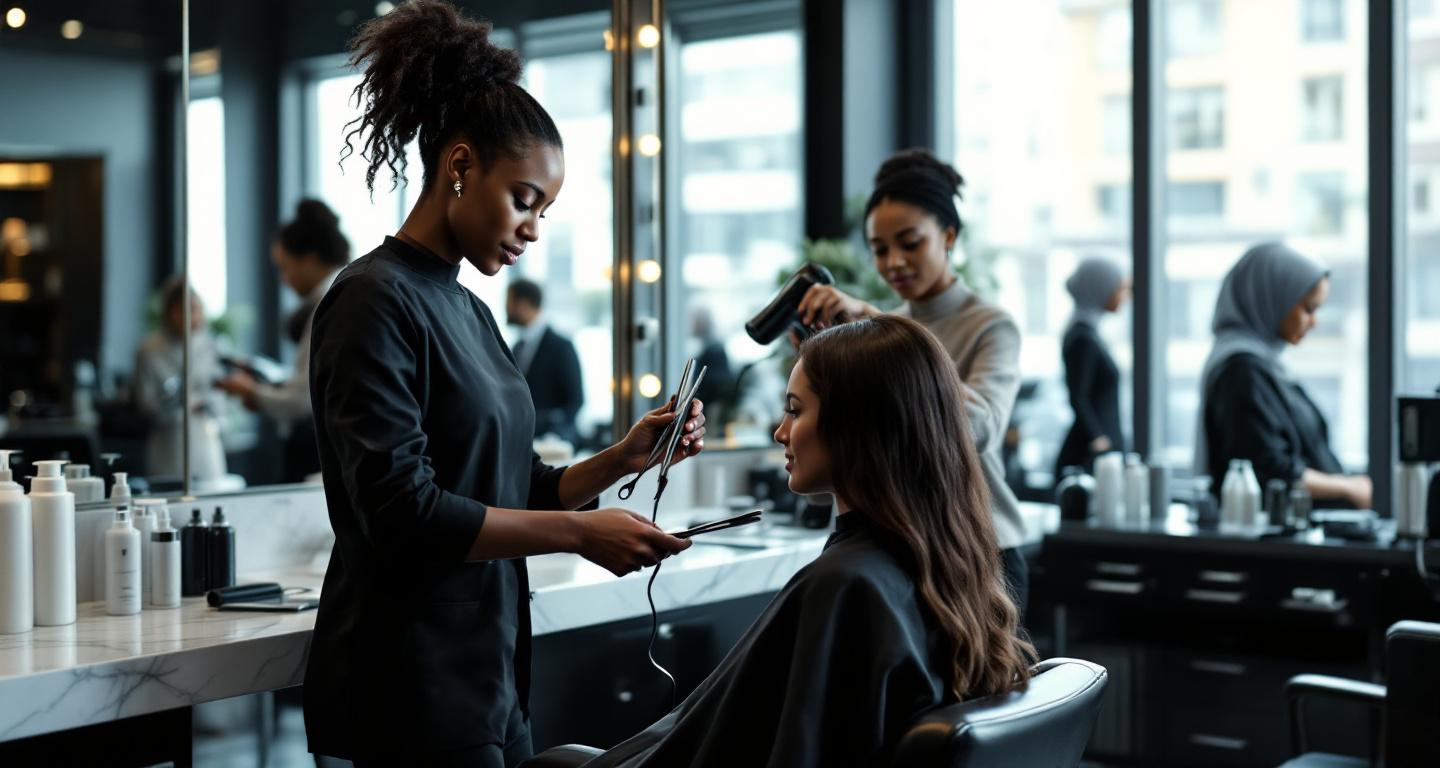
Effective hair maintenance combines daily care routines, professional treatments every 6-8 weeks, and using quality products suited to your hair type. The key is consistency, proper technique, and partnering with trusted professionals who understand your specific hair needs and goals.
Why Does Professional Hair Care Matter More Than DIY?
Professional hair care goes far beyond what you can achieve at home because trained stylists understand hair structure, chemistry, and individual needs. They can identify problems before they become visible, recommend treatments based on your hair's porosity and texture, and use professional-grade products that aren't available to consumers. While daily home care is essential, professional maintenance addresses the deeper aspects of hair health that determine long-term appearance and manageability. A skilled professional can also teach you proper techniques and recommend products that work specifically with your hair type, climate, and lifestyle. This partnership approach ensures your hair stays healthy between appointments and responds better to styling. The investment in professional care typically saves money over time by preventing damage that requires expensive corrective treatments.
What Are the Essential Steps in a Daily Hair Care Routine?
A consistent daily routine forms the foundation of healthy hair maintenance:
- Morning preparation: Use a wide-tooth comb on damp hair, apply heat protectant before styling, and choose appropriate products for your hair type and the day's weather conditions
- Washing technique: Shampoo only the scalp and roots, condition from mid-length to ends, use lukewarm water, and limit washing to 2-3 times per week unless you have very oily hair
- Drying method: Gently squeeze out excess water with a microfiber towel, apply leave-in treatments while hair is damp, and air dry when possible or use heat tools on lower settings
- Nighttime care: Use a silk or satin pillowcase, loosely braid long hair or use a silk scrunchie, and apply overnight treatments weekly to repair and nourish hair while you sleep
- Weekly maintenance: Deep condition once per week, clarify monthly to remove product buildup, trim split ends between salon visits, and massage your scalp to improve circulation
How Do You Choose the Right Hair Care Products?
Selecting appropriate hair care products requires understanding your hair's porosity, texture, thickness, and current condition. Low-porosity hair needs lightweight products that won't build up, while high-porosity hair requires heavier creams and oils to maintain moisture. Fine hair benefits from volumizing formulas and lighter oils, while thick hair can handle richer treatments and heavier styling products. Consider your scalp condition as well—sensitive scalps need gentle, sulfate-free formulas, while oily scalps may require clarifying ingredients. Climate plays a crucial role too; humid environments call for anti-frizz formulas, while dry climates require extra moisturizing ingredients. Professional colorists and stylists can perform porosity tests and recommend specific product lines that work with your hair's unique characteristics. Avoid constantly switching products, as consistency allows you to see real results over time.
What Professional Treatments Should You Consider?
Professional treatments address specific hair concerns more effectively than home remedies:
- Deep conditioning treatments that penetrate the hair shaft with concentrated nutrients and moisture
- Protein treatments to rebuild damaged hair structure and improve elasticity and strength
- Scalp treatments that address dandruff, dryness, or excess oil production at the root level
- Color correction and maintenance to keep processed hair healthy and vibrant
- Keratin or smoothing treatments to reduce frizz and improve manageability for several months
- Hair glossing services that add shine and enhance your natural or colored hair tone
How Often Should You Visit a Professional Stylist?
The frequency of professional hair appointments depends on your hair length, style, and growth rate, but most people benefit from visits every 6-8 weeks. Short hairstyles typically require cuts every 4-6 weeks to maintain their shape, while longer styles can go 8-12 weeks between trims. Color maintenance varies significantly—root touch-ups may be needed every 4-6 weeks, while highlights can last 8-12 weeks. If you're growing out your hair, you might extend time between cuts but should still schedule regular treatments to maintain hair health. Professional consultations are valuable even when you don't need services, as stylists can assess your hair's condition and adjust your home care routine. Consistent appointments help prevent major problems and ensure your hair always looks its best. Factor seasonal changes into your schedule, as hair often needs different care in summer versus winter months.
What Should You Look for When Selecting a Hair Professional?
Use this checklist to evaluate potential stylists and salons:
- Licensed professionals with continuing education in current techniques and trends
- Portfolio showing work similar to what you want, including before and after photos
- Clean, well-organized salon with modern equipment and proper sanitation practices
- Consultation process that includes hair analysis and discussion of your lifestyle and goals
- Realistic expectations and honest advice about what's achievable with your hair type
- Transparent pricing with no hidden fees or pressure to purchase expensive products
- Positive reviews that mention specific skills, professionalism, and customer service quality
How Do You Maintain Different Hair Types and Textures?
Hair maintenance varies significantly based on natural texture and processing history. Straight hair tends to show oil and buildup more quickly, requiring more frequent washing but lighter conditioning products. Wavy hair benefits from scrunching techniques, anti-humidity products, and minimal brushing when dry to preserve curl pattern. Curly hair needs moisture-rich products, detangling when wet with conditioner, and protective styling to prevent breakage. Coily and kinky hair requires the most gentle handling, heavy moisturizers, regular deep conditioning, and protective styles that minimize manipulation. Chemically processed hair—whether colored, relaxed, or permed—needs protein-moisture balance, heat protection, and more frequent professional treatments. Gray hair has different texture and porosity than pigmented hair, often requiring purple shampoos and extra moisture. Understanding your hair's specific needs helps you choose appropriate products and techniques that enhance rather than fight your natural texture.
What Common Hair Care Mistakes Should You Avoid?
Many people unknowingly damage their hair through well-intentioned but incorrect practices. Over-washing strips natural oils and can lead to overproduction of sebum, while under-washing allows buildup that blocks moisture absorption. Using tools that are too hot, skipping heat protectant, or rushing the drying process causes immediate and cumulative damage. Brushing wet hair aggressively breaks fragile strands, while never brushing allows tangles that require forceful removal later. Product overload weighs hair down and creates buildup, but using too little leaves hair unprotected and difficult to manage. Attempting complex color or chemical processes at home often results in damage that requires expensive professional correction. Ignoring scalp health focuses only on hair strands while neglecting the foundation of healthy growth. Cutting your own hair or letting untrained friends attempt it usually creates uneven results that require professional fixing. These mistakes are easily avoided with proper education and professional guidance.
How Can You Protect Your Hair from Environmental Damage?
Environmental factors constantly challenge hair health, but protective measures can minimize damage:
- Sun protection through UV-filtering hair products, hats, or scarves during prolonged outdoor exposure
- Chlorine barriers like pre-wetting hair with clean water and applying conditioner before swimming
- Humidity control using anti-frizz products and protective styles in high-moisture climates
- Wind protection by securing long hair and using leave-in conditioners to prevent tangling
- Pollution defense through regular clarifying treatments and antioxidant-rich hair products
- Seasonal adjustments including heavier moisturizers in winter and lighter formulas in summer
The best hair care routine is one you can maintain consistently. It's better to do simple things regularly than complex treatments sporadically. Your hair responds to steady, gentle care over time.
Dr. Michelle Henry, Dermatologist and Hair Health Expert
Frequently Asked Questions
How often should I wash my hair for optimal health?
Most people should wash hair 2-3 times per week. Daily washing strips natural oils, while washing less than twice weekly allows buildup. Oily scalps may need daily washing, while dry or chemically treated hair often needs washing only 1-2 times per week.
What's the difference between drugstore and salon hair products?
Salon products typically contain higher concentrations of active ingredients, fewer harsh sulfates and alcohols, and are pH-balanced for hair health. While more expensive, they're often more concentrated and effective, requiring smaller amounts per use.
When should I be concerned about hair loss?
Normal hair loss is 50-100 strands daily. See a professional if you notice sudden increased shedding, bald patches, scalp irritation, or significant thinning. Early intervention often provides the best treatment outcomes for hair loss conditions.
Can damaged hair be completely repaired?
Hair damage cannot be permanently reversed since hair is dead protein, but it can be temporarily improved through protein and moisture treatments. Prevention through proper care is more effective than attempting to repair severe damage after it occurs.
How do I know if my hair care routine is working?
Effective hair care shows results within 4-6 weeks through increased shine, improved manageability, less breakage, and better texture. Take progress photos and note how your hair feels during styling to track improvements objectively.
Should I change my hair care routine seasonally?
Yes, seasonal adjustments help address environmental changes. Use heavier moisturizers in winter dry air, lighter products in humid summers, and increased sun protection during peak UV months. Your scalp's oil production may also vary seasonally.
Find Your Trusted Hair Professional
Finding a stylist you can trust makes all the difference in your hair health journey. Instead of guessing based on online reviews, see which local salons and stylists your friends and colleagues already trust. Tools like Linked By Six automatically show you connections to vetted professionals in your network, taking the guesswork out of finding quality hair care.
Effective hair maintenance combines consistent daily care, appropriate products for your hair type, and regular professional treatments. The key is understanding your hair's unique needs and working with trusted professionals who can guide your hair health journey. Remember that healthy hair is a long-term investment that pays dividends in appearance, manageability, and confidence. Start with the basics—gentle cleansing, proper conditioning, and heat protection—then build your routine based on your hair's response. Professional guidance helps you avoid common mistakes and achieve the healthy, beautiful hair you want. Consistency in care, combined with expert support, will give you the best results over time.