
Toxic vs. Non-Toxic Cleaning: The Complete Safety Guide
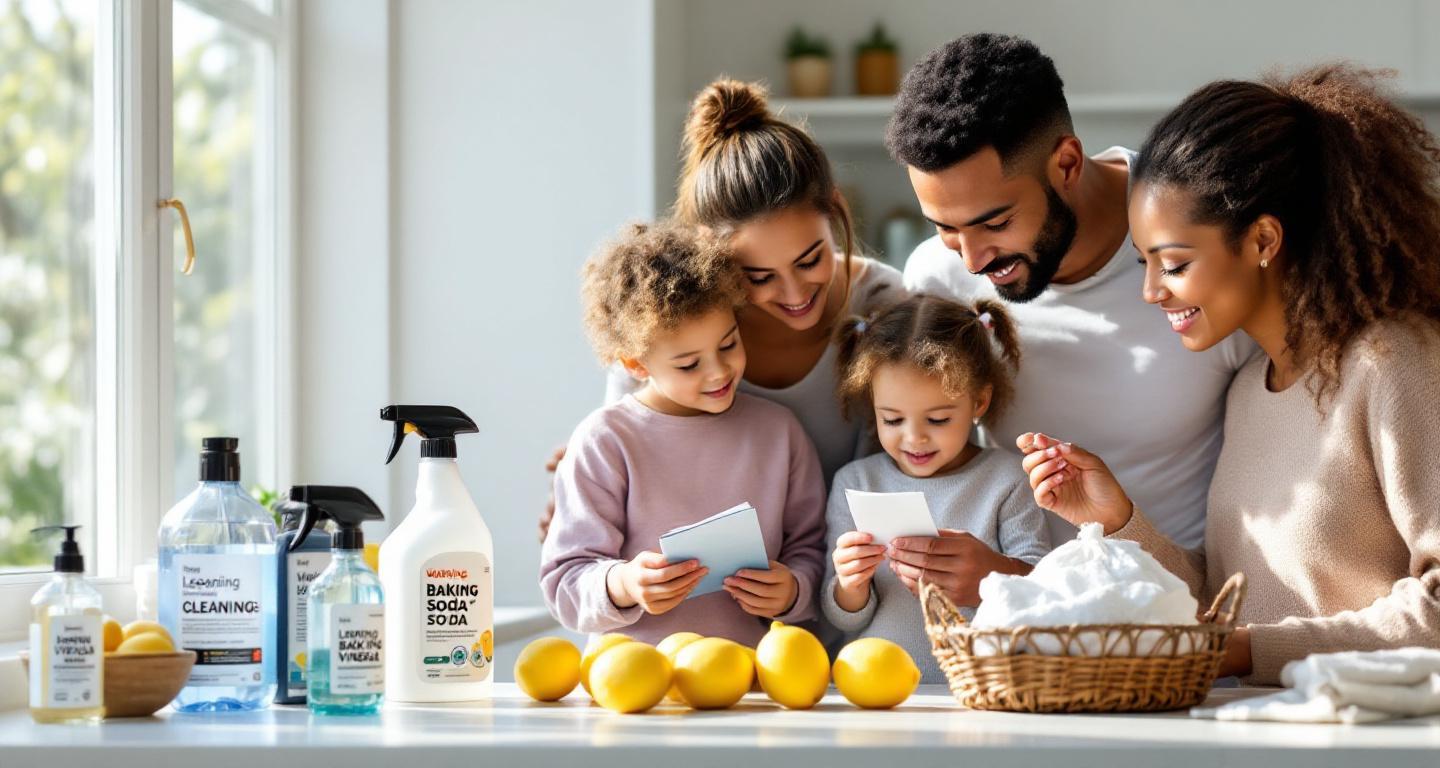
The difference between toxic and non-toxic cleaning products lies in their chemical composition and health impact. Toxic cleaners contain harmful substances like ammonia, chlorine, and volatile organic compounds that can cause respiratory issues, skin irritation, and long-term health problems, while non-toxic alternatives use plant-based ingredients and natural compounds that clean effectively without endangering your family's health.
What Makes Cleaning Products Toxic?
Understanding toxicity in cleaning products requires looking beyond marketing claims to actual ingredients. Toxic cleaning products contain synthetic chemicals that can harm human health and the environment. These substances often carry warning labels because they're classified as hazardous by regulatory agencies. The most concerning toxic ingredients include volatile organic compounds (VOCs) that evaporate into the air you breathe, corrosive substances that can burn skin and eyes, and endocrine disruptors that interfere with hormone function. Many conventional cleaners also contain carcinogens—chemicals linked to cancer development over time. The challenge is that manufacturers aren't required to list all ingredients on labels, making it difficult for consumers to identify potentially harmful substances. This lack of transparency means you might be unknowingly exposing your family to chemicals that accumulate in your body and home environment over years of regular use.
Hidden Dangers in Common Household Cleaners
These toxic ingredients lurk in products you likely use daily, often without adequate warning labels:
- Ammonia: Found in glass cleaners and all-purpose sprays, causes respiratory irritation and can create deadly gas when mixed with bleach
- Chlorine bleach: Creates toxic chlorine gas, linked to asthma development and respiratory damage with repeated exposure
- Phthalates: Hidden fragrance ingredients that disrupt hormones and are linked to reproductive issues and developmental problems
- Nonylphenol ethoxylates (NPEs): Surfactants that act as hormone disruptors and persist in the environment
- Formaldehyde: A known carcinogen found in some disinfectants and fabric softeners
- Triclosan: An antimicrobial agent linked to antibiotic resistance and hormone disruption
How Do Toxic Cleaners Affect Your Health?
The health impacts of toxic cleaning products extend far beyond the immediate chemical smell or skin irritation you might notice. Short-term exposure can cause headaches, dizziness, respiratory irritation, and skin burns. But the more serious concern is cumulative exposure over months and years. Studies show that people who regularly use conventional cleaning products have a higher risk of developing asthma, with professional cleaners experiencing lung function decline equivalent to smoking a pack of cigarettes daily for 20 years. Children are particularly vulnerable because their developing bodies absorb chemicals more readily and their smaller size means higher concentrations per body weight. Indoor air quality suffers significantly from toxic cleaners, with some homes showing chemical concentrations 2-5 times higher than outdoor air pollution levels. The chemicals don't just disappear after cleaning—they settle on surfaces, accumulate in dust, and continue releasing vapors for hours or days, creating ongoing exposure for everyone in the household.
What Defines Non-Toxic Cleaning Products?
Non-toxic cleaning products prioritize human health and environmental safety without sacrificing cleaning effectiveness. These products use plant-based surfactants, naturally occurring minerals, and biodegradable ingredients that break down harmlessly after use. True non-toxic cleaners avoid synthetic fragrances, opting instead for essential oils or remaining fragrance-free. They're formulated without carcinogens, hormone disruptors, or respiratory irritants, and many carry third-party certifications from organizations like Green Seal, EcoLogo, or the EPA's Safer Choice program. The key difference is transparency—reputable non-toxic brands list all ingredients on their labels and often provide detailed explanations of each component's purpose and safety profile. These products work through mechanical action and safe chemical processes rather than relying on harsh solvents or corrosive agents. While they might require slightly different application methods or longer contact time for heavily soiled surfaces, they achieve comparable cleaning results without compromising your family's health or contributing to indoor air pollution.
How to Identify Truly Non-Toxic Products
Follow these steps to separate genuinely safe products from greenwashed alternatives:
- Read the complete ingredient list—avoid products that only list 'active ingredients' or hide components under terms like 'fragrance' or 'surfactants'
- Look for third-party certifications like EPA Safer Choice, Green Seal, or Cradle to Cradle that verify safety claims through independent testing
- Check for specific toxic ingredients: if you see ammonia, chlorine bleach, phosphates, or synthetic fragrances, choose another product
- Research the brand's transparency—companies with nothing to hide provide detailed ingredient information and safety data on their websites
- Verify biodegradability claims—truly non-toxic products break down completely in wastewater treatment systems without harming aquatic life
- Test pH levels if possible—non-toxic cleaners typically have moderate pH levels (between 6-8) rather than extremely acidic or alkaline formulations
Proven Non-Toxic Alternatives That Actually Work
These natural cleaning solutions deliver professional results without toxic chemicals:
- White vinegar solution (1:1 with water): Cuts through soap scum, removes mineral deposits, and disinfects naturally—avoid on natural stone surfaces
- Baking soda paste: Provides gentle abrasive action for scrubbing without scratching, neutralizes odors, and lifts stains from fabric and grout
- Castile soap concentrate: Plant-based cleaner that handles grease, dirt, and grime while being completely biodegradable and safe for all surfaces
- Hydrogen peroxide (3%): Whitens, disinfects, and removes organic stains without creating toxic fumes or leaving harmful residues
- Essential oil blends: Tea tree, lavender, and eucalyptus provide natural antimicrobial properties while leaving a fresh, chemical-free scent
Making the Switch: Your Transition Checklist
- Audit current cleaning supplies and identify the most toxic products to replace first
- Research non-toxic alternatives for your specific cleaning needs (kitchen, bathroom, laundry, floors)
- Start with one or two product categories to avoid overwhelming yourself with changes
- Test homemade solutions in small areas before applying to entire surfaces
- Properly dispose of toxic cleaners at household hazardous waste collection sites
- Educate family members about new products and application methods
- Create a cleaning supply inventory to track what works best for different tasks
- Set a timeline for gradually replacing remaining toxic products as they run out
Do Non-Toxic Products Clean as Effectively?
The effectiveness of non-toxic cleaning products has improved dramatically as manufacturers invest in research and development. Modern plant-based surfactants and enzyme technologies can match or exceed the cleaning power of conventional chemicals for most household tasks. The key difference is often in application method rather than cleaning ability. Non-toxic products may require longer contact time for disinfection, pre-treatment for tough stains, or mechanical action like scrubbing for heavily soiled areas. However, they excel in many areas where toxic cleaners fall short—they don't leave chemical residues that attract dirt, won't damage surfaces over time, and maintain their effectiveness without building up harmful fumes. For specialized tasks like removing rust or unclogging severely blocked drains, you might need targeted non-toxic solutions or professional services rather than harsh chemicals. The trade-off is minimal inconvenience for significant health and safety benefits, especially considering that most household cleaning involves routine maintenance rather than heavy-duty restoration work.
What About Cost and Availability?
The cost difference between toxic and non-toxic cleaning products has narrowed significantly as demand increases and production scales up. While premium non-toxic brands may cost 20-50% more upfront, many factors offset this difference. Concentrated formulas often provide more cleaning applications per bottle, and gentle ingredients won't damage surfaces that would require expensive repairs or replacements. Homemade non-toxic solutions using ingredients like vinegar, baking soda, and castile soap cost significantly less than any commercial cleaners while delivering excellent results. Health cost savings also factor into the equation—reduced exposure to toxic chemicals means fewer respiratory issues, skin problems, and potential long-term health consequences. Availability has improved dramatically, with major retailers now carrying extensive selections of certified non-toxic products. Online shopping provides access to specialized brands and bulk purchasing options that further reduce costs. Many communities also have local makers producing non-toxic cleaners, supporting small businesses while getting products tailored to regional water conditions and cleaning challenges.
Frequently Asked Questions
Are homemade cleaners as effective as store-bought non-toxic products?
Homemade cleaners using ingredients like vinegar, baking soda, and castile soap are highly effective for most cleaning tasks and often outperform commercial products. They're also more economical and allow complete ingredient control, though specialized commercial formulas may work better for specific challenges like soap scum or pet odors.
How can I tell if a product is truly non-toxic or just greenwashed?
Look for complete ingredient transparency, third-party certifications like EPA Safer Choice, and avoid vague terms like 'natural fragrance.' Truly non-toxic products list all components clearly and provide safety data. Be suspicious of products with warning labels claiming to be 'natural' or 'eco-friendly.'
Do I need to throw away all my current cleaning products immediately?
You don't need to discard everything at once. Prioritize replacing the most toxic products first (those with warning labels or strong chemical odors), then gradually switch to non-toxic alternatives as products run out. Properly dispose of toxic cleaners at hazardous waste collection sites.
Will non-toxic cleaners disinfect as well as bleach?
Many non-toxic ingredients like hydrogen peroxide, certain essential oils, and alcohol-based solutions effectively kill germs without toxic fumes. They may require longer contact time (10-15 minutes versus 30 seconds), but provide comparable disinfection when used properly for routine household cleaning needs.
Are non-toxic cleaning products safe around children and pets?
Non-toxic products are significantly safer around children and pets than conventional cleaners, but still require basic precautions. Store all cleaning products safely, avoid ingestion, and ensure adequate ventilation. The reduced risk of respiratory irritation and chemical burns makes them much better choices for households with vulnerable family members.
Find Trusted Green Cleaning Services
Need help transitioning to non-toxic cleaning or want professional services that share your health priorities? Tools like Linked By Six help you discover which eco-friendly cleaning services and green product suppliers your friends and colleagues already trust—see your network's recommendations before you search.
The choice between toxic and non-toxic cleaning products isn't just about immediate cleaning results—it's about long-term health for your family and environmental responsibility. While conventional cleaners rely on harsh chemicals that can cause respiratory problems, skin irritation, and potential long-term health effects, non-toxic alternatives use plant-based ingredients and natural compounds that clean effectively without compromising safety. The transition doesn't have to be overwhelming or expensive. Start by replacing the most toxic products in your cleaning arsenal, experiment with proven homemade solutions, and gradually build a collection of certified non-toxic products that work for your specific needs. Your home will be just as clean, your indoor air quality will improve dramatically, and you'll have peace of mind knowing that every cleaning session contributes to a healthier environment rather than exposing your family to unnecessary chemical risks.