
How Tire Wear Patterns Reveal Hidden Alignment Issues
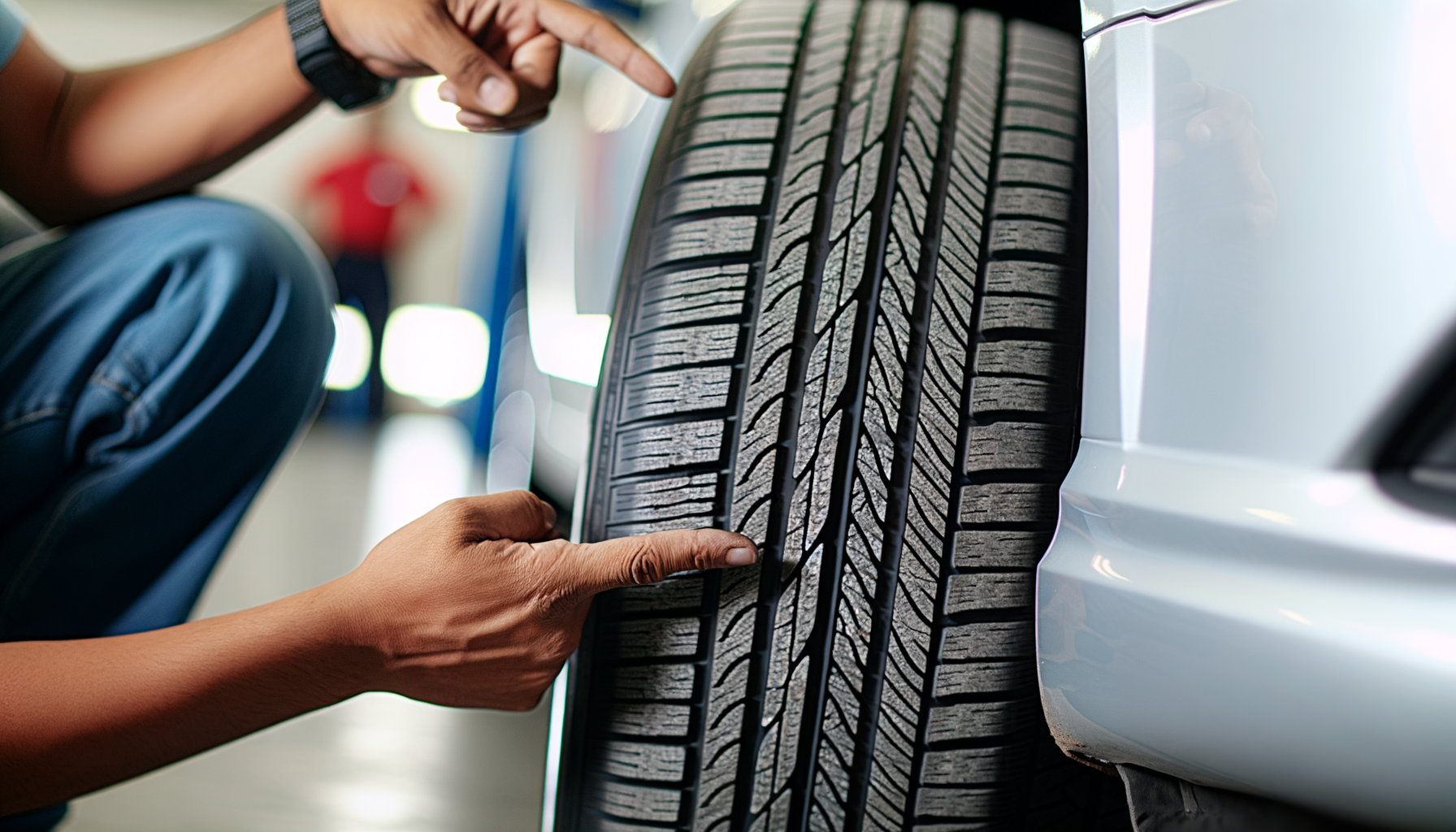
Tire wear patterns reveal alignment issues through specific tread wear locations: inner or outer edge wear indicates camber problems, feathering suggests toe misalignment, and cupping points to suspension issues. Regular inspection helps catch problems early.
Why Do Tire Wear Patterns Matter?
Your tires are constantly communicating with you about your vehicle's health, but most drivers miss these crucial signals. Tire wear patterns act as a diagnostic tool, revealing hidden problems with wheel alignment, suspension components, and driving habits long before you feel vibrations or notice handling issues. Understanding these patterns can save you hundreds of dollars in premature tire replacement and prevent dangerous blowouts. When your wheels aren't properly aligned, your tires don't make even contact with the road surface. This creates uneven pressure distribution, causing some areas of the tread to wear faster than others. By learning to read these patterns, you become your own first line of defense against costly repairs and safety hazards.
What Does Inner Edge Wear Tell You?
Inner edge wear is one of the most common tire wear patterns, and it specifically indicates negative camber issues. Here's what to look for:
- Excessive wear on the inside shoulder of the tire while the center and outer edge remain relatively normal
- The tire appears to lean inward at the top when viewed from the front or rear of the vehicle
- Uneven wear that's more pronounced on one side of the vehicle than the other
- Premature tire replacement needed despite normal driving conditions
- Potential causes include worn suspension components, improper alignment settings, or vehicle modifications
How Does Outer Edge Wear Indicate Problems?
Outer edge wear presents the opposite pattern of inner edge wear and typically indicates positive camber or aggressive cornering habits. This wear pattern shows up as excessive tread loss on the outside shoulder of the tire while the inner portions remain intact. Positive camber causes the tire to lean outward at the top, concentrating weight and friction on the outer edge during normal driving. However, outer edge wear can also result from under-inflation, aggressive cornering, or suspension components that have shifted due to impacts or wear. Unlike inner edge wear, outer edge wear is often more noticeable to drivers because it affects the tire's profile more dramatically. This pattern can develop quickly, especially if combined with spirited driving or frequent high-speed cornering.
What Is Tire Feathering and What Causes It?
Tire feathering creates a distinctive saw-tooth pattern across the tire's tread blocks, where one side of each tread block is worn smooth while the other side remains sharp. This pattern feels rough when you run your hand across the tire in one direction but smooth in the other direction. Feathering primarily results from toe misalignment, where the tires point slightly inward or outward instead of straight ahead. When tires are toed in or out, they're constantly fighting against their intended direction of travel, creating a scrubbing action that produces this characteristic wear pattern. Feathering can develop relatively quickly and often produces a humming or whirring noise while driving, especially at highway speeds.
How to Inspect Your Tires for Wear Patterns
Regular tire inspection helps catch alignment issues early. Follow these steps for a thorough assessment:
- Park on level ground and engage the parking brake for safety
- Visually inspect each tire's tread from multiple angles, looking for uneven wear across the width
- Run your hand across the tread surface to feel for feathering or irregular texture
- Use a tread depth gauge or penny test to measure wear differences between inner, center, and outer portions
- Check tire pressure and compare to manufacturer specifications
- Look for signs of cupping, scalloping, or patchy wear patterns
- Document your findings with photos to track progression over time
When Does Cupping Indicate Suspension Problems?
Tire cupping creates a wavy, scalloped appearance across the tire's surface, with alternating high and low spots around the circumference. Unlike alignment-related wear patterns, cupping typically indicates suspension component problems rather than wheel alignment issues. Worn shock absorbers, struts, or other suspension components allow the tire to bounce as it rolls, creating this distinctive up-and-down wear pattern. Cupping often produces a rhythmic thumping sound that increases with vehicle speed and can create significant vibration through the steering wheel or vehicle body. This wear pattern tends to develop gradually but can accelerate once the underlying suspension problem worsens. Cupping requires addressing the root suspension issue rather than simple alignment correction.
What Are the Most Common Causes of Alignment Problems?
Understanding what knocks your wheels out of alignment helps prevent future issues:
- Hitting potholes, curbs, or road debris at speed
- Normal wear and tear on suspension components over time
- Accidents or collisions, even minor fender-benders
- Worn or damaged suspension bushings and joints
- Improper installation of tires or suspension components
- Vehicle modifications that alter ride height or suspension geometry
How Often Should You Check for Alignment Issues?
Proactive alignment monitoring prevents costly tire replacement and maintains vehicle safety. Most automotive experts recommend checking wheel alignment annually or every 12,000 to 15,000 miles under normal driving conditions. However, certain situations warrant more frequent inspection. If you frequently drive on rough roads, hit potholes, or notice your vehicle pulling to one side, check your alignment more often. Additionally, any time you replace tires, suspension components, or experience an impact that affects your wheels, have the alignment verified. Many tire rotation appointments provide an opportunity to assess wear patterns and catch alignment issues early. Remember that alignment problems typically develop gradually, making regular monitoring essential for early detection.
Signs That Demand Immediate Alignment Check
Don't wait for your regular maintenance interval if you notice these warning signs:
- Vehicle pulls consistently to one side while driving straight
- Steering wheel sits off-center when driving straight
- Tires show visible uneven wear patterns
- You feel vibration through the steering wheel or seat
- Tire pressure loss seems to occur more frequently on one side
- You've recently hit a significant pothole or curb
- New tires are showing premature wear after a few thousand miles
What Can You Expect During Professional Alignment?
Professional wheel alignment involves precise measurement and adjustment of your vehicle's suspension angles to manufacturer specifications. A qualified technician uses computerized equipment to measure camber, caster, and toe angles for each wheel. The process typically takes 60 to 90 minutes and begins with a thorough inspection of suspension components to ensure they're in good condition. If worn parts are discovered, they should be replaced before alignment to ensure the adjustments hold properly. During the service, the technician will adjust the alignable angles within the vehicle's specifications and provide a before-and-after printout showing the corrections made. Quality shops will also road test the vehicle to verify the alignment feels correct and make final adjustments if necessary.
How Do You Find a Trustworthy Alignment Shop?
Finding a reliable alignment shop requires more than comparing prices or reading online reviews. The best shops invest in modern computerized alignment equipment and employ certified technicians who understand the nuances of different vehicle makes and models. Look for shops that show you the actual measurements and explain what the numbers mean rather than simply stating that alignment is needed. Trustworthy technicians will inspect suspension components and discuss any issues they find before performing alignment work. They should also provide a warranty on their alignment service and be willing to re-check the alignment if you experience problems shortly after service. Personal recommendations from people who have had positive experiences carry more weight than anonymous online reviews because they come with context about specific services and real accountability.
Frequently Asked Questions
How much does wheel alignment typically cost?
Wheel alignment typically costs $75-$200 depending on your vehicle type and location. Four-wheel alignment costs more than front-end alignment, but provides better results for most modern vehicles.
Can I drive with alignment issues?
You can drive with minor alignment issues temporarily, but severe misalignment creates safety hazards and causes rapid tire wear. Address pulling, vibration, or visible uneven wear immediately.
Will new tires fix alignment problems?
New tires don't fix alignment problems and will develop the same wear patterns as the old ones. Always correct alignment issues before installing new tires to prevent premature wear.
How long does proper alignment last?
Proper alignment typically lasts 12,000-15,000 miles under normal conditions. Rough roads, potholes, and aggressive driving can reduce this interval significantly, requiring more frequent checks.
Do all four wheels need alignment?
Most modern vehicles benefit from four-wheel alignment because all wheels affect handling and tire wear. Front-wheel-only alignment may be adequate for some older vehicles with solid rear axles.
Find a Trusted Alignment Shop
Don't rely on guesswork when choosing an alignment shop. Tools like Linked By Six automatically show you which local mechanics and tire shops your friends and colleagues already trust, giving you confidence before you book your appointment. See your network's trusted automotive providers and make informed decisions based on real relationships and experiences.
Understanding tire wear patterns empowers you to catch alignment issues before they become expensive problems. By regularly inspecting your tires and recognizing the telltale signs of inner edge wear, outer edge wear, feathering, and cupping, you can address problems early and maintain optimal vehicle safety. Remember that alignment issues develop gradually, making consistent monitoring essential. When you do need professional help, choosing a shop through trusted personal networks ensures you receive quality service from technicians who stake their reputation on every alignment they perform.