
7 Critical Warning Signs Your HVAC System Is About to Fail
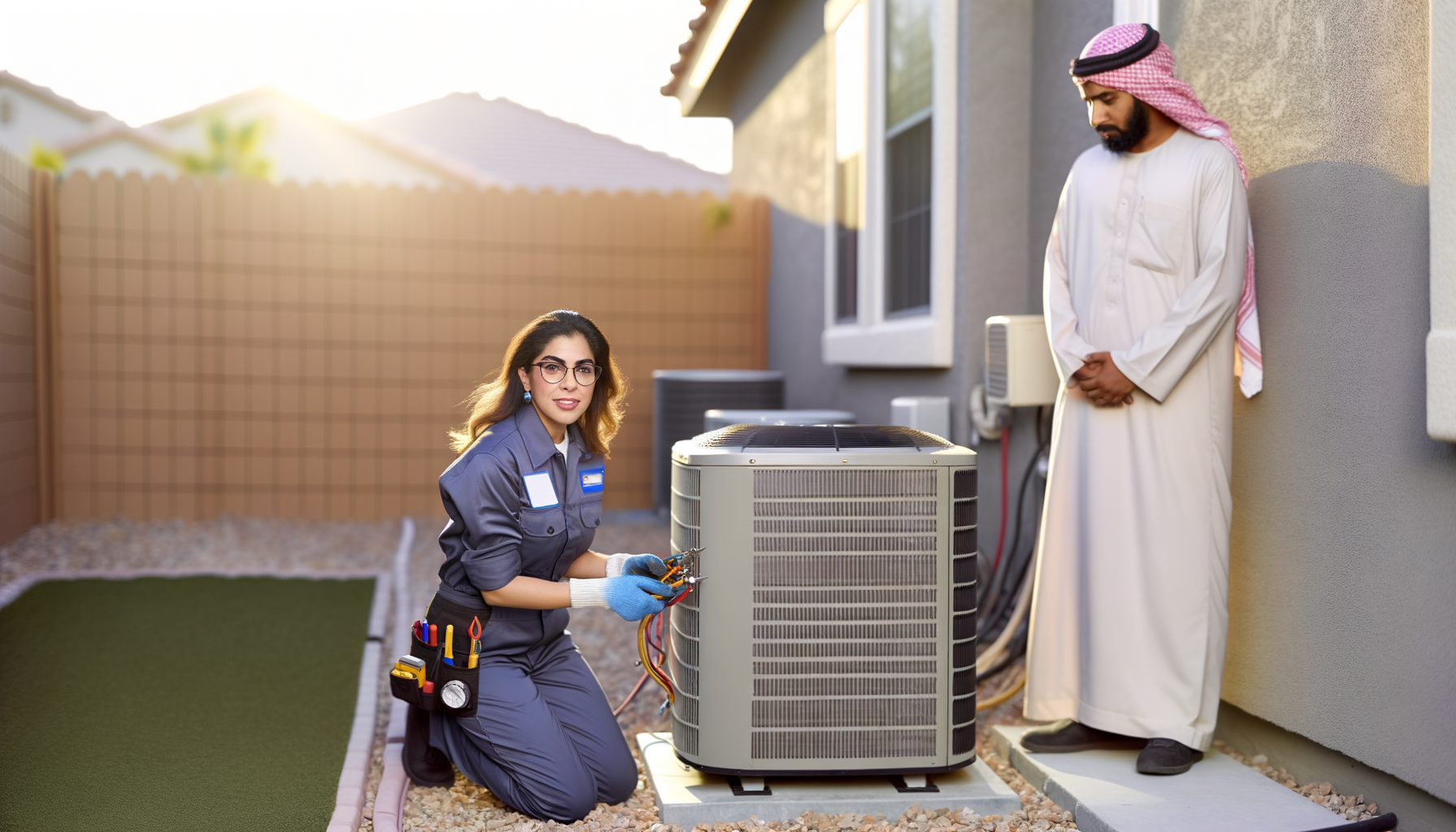
Your HVAC system needs immediate attention if you notice unusual noises, inconsistent temperatures, rising energy bills, frequent cycling, poor air quality, or moisture issues. These warning signs typically appear weeks or months before complete system failure, giving you time to address problems affordably.
Why do HVAC systems fail gradually rather than suddenly?
HVAC systems are complex machines with multiple interconnected components that wear down over time. Unlike a light bulb that burns out instantly, heating and cooling systems typically show warning signs for weeks or months before complete failure. Components like compressors, fans, and heat exchangers gradually lose efficiency as they age. Understanding this progression is crucial because catching problems early can save you thousands of dollars. A minor refrigerant leak might cost $200 to fix today, but waiting until the compressor burns out could mean a $3,000 replacement. The key is recognizing these early warning signals and acting on them promptly.
What are the most obvious audible warning signs?
Your HVAC system should run relatively quietly. Any unusual sounds indicate components are struggling or failing:
- Grinding or screeching noises suggest worn bearings in motors or fans
- Banging or clanking sounds often indicate loose or broken internal components
- Clicking that continues after startup usually means electrical issues
- Whistling or hissing sounds can signal ductwork leaks or refrigerant problems
- Rattling typically indicates loose panels, screws, or debris in the system
How can temperature inconsistencies reveal system problems?
Temperature irregularities are often the first sign homeowners notice when their HVAC system begins failing. If some rooms feel significantly warmer or cooler than others, your system is struggling to distribute conditioned air properly. This could indicate ductwork issues, a failing blower motor, or problems with dampers. Hot and cold spots throughout your home suggest the system can't maintain consistent airflow. Additionally, if your system takes much longer than usual to reach the set temperature, or if it never quite gets there, key components like the compressor or heat exchanger may be losing efficiency. These issues typically worsen gradually, making early intervention critical.
What operational patterns indicate impending failure?
Pay attention to how your system behaves during normal operation. These patterns often predict failure:
- Short cycling - The system turns on and off frequently in short intervals rather than running steady cycles
- Failure to start - The system struggles to begin operation or requires multiple attempts to start
- Running constantly - The system never seems to shut off, indicating it can't reach the desired temperature
- Delayed response - Long delays between adjusting the thermostat and system activation
- Irregular cycling - Unpredictable on/off patterns that don't correspond to temperature needs
How do air quality changes signal HVAC problems?
Your HVAC system does more than control temperature—it also filters and circulates air throughout your home. When components begin failing, air quality often deteriorates noticeably. You might notice increased dust accumulation on furniture and surfaces, indicating the filtration system isn't working properly. Stale or musty odors suggest poor air circulation or moisture problems within the system. Some homeowners report feeling stuffier than usual or experiencing increased allergy symptoms. These changes occur because failing fans can't circulate air effectively, clogged filters aren't being maintained by automatic systems, or ductwork issues are allowing contaminants to enter the air stream.
What moisture-related signs should concern you?
Moisture problems often indicate serious HVAC issues that require immediate attention:
- Water pooling around indoor or outdoor units suggests drain line clogs or refrigerant leaks
- Excessive humidity indoors even when the AC runs indicates the system can't remove moisture properly
- Ice formation on outdoor units during operation signals refrigerant or airflow problems
- Condensation on windows or walls when the system runs shows humidity control failure
- Musty smells from vents often indicate mold growth due to moisture retention in ductwork
When should you call a professional versus trying DIY fixes?
While some HVAC maintenance tasks are homeowner-friendly, most warning signs require professional diagnosis and repair. You can safely change air filters, clear debris from around outdoor units, and check that vents aren't blocked. However, anything involving electrical components, refrigerant, gas connections, or internal mechanisms should be left to licensed technicians. Attempting DIY repairs on complex systems often leads to more expensive damage and can void warranties. Professional HVAC technicians have specialized tools to diagnose problems accurately and can identify multiple issues during a single service call. They also understand local building codes and safety requirements that protect your family and property.
What should you document before calling for service?
Prepare this information to help technicians diagnose problems more efficiently:
- Record specific sounds, when they occur, and how long they last
- Note which rooms have temperature issues and the degree of variation
- Document when problems started and if they're getting worse
- Check when filters were last changed and note their condition
- Review recent energy bills for unusual increases
- List any recent weather events that might have affected the system
- Note the age and maintenance history of your HVAC system
How can preventive maintenance extend system life?
Regular maintenance is the most effective way to prevent HVAC failures and extend system life. Professional maintenance typically includes cleaning coils, checking refrigerant levels, lubricating moving parts, testing electrical connections, and calibrating thermostats. These services help technicians identify and address minor issues before they become major problems. Most HVAC manufacturers require regular professional maintenance to maintain warranty coverage, and many offer extended warranties for systems that receive consistent care. A well-maintained HVAC system typically lasts 15-20 years, while neglected systems often fail within 10-12 years. The cost of annual maintenance is significantly less than emergency repairs or premature replacement.
I've seen too many homeowners wait until their system completely dies before calling for help. The ones who catch problems early usually spend a fraction of what emergency replacements cost.
Mike Chen, Master HVAC Technician with 18 years experience
Frequently Asked Questions
How often should I have my HVAC system professionally inspected?
Most experts recommend professional HVAC inspections twice yearly—once before heating season and once before cooling season. This schedule allows technicians to identify and address potential problems before peak usage periods when failures are most likely to occur.
Can I prevent HVAC problems by changing filters more frequently?
Regular filter changes significantly improve system reliability and efficiency. Dirty filters force your system to work harder, leading to premature wear on motors and other components. Change standard filters monthly during peak seasons and check high-efficiency filters every three months.
What's the average lifespan of different HVAC components?
Furnaces typically last 15-20 years, air conditioners 12-15 years, and heat pumps 10-15 years. However, proper maintenance can extend these lifespans, while neglect often leads to premature failure. Individual components like thermostats and ductwork may need replacement on different schedules.
Should I repair or replace an aging HVAC system showing warning signs?
If your system is over 10 years old and repair costs exceed 50% of replacement value, replacement usually makes more financial sense. Newer systems are significantly more energy-efficient and come with warranties that provide peace of mind and protection.
How can I find a trustworthy HVAC technician quickly when problems arise?
The most reliable HVAC professionals are typically those recommended by people in your network who've experienced their work personally. These referrals provide valuable insights into quality, reliability, and fair pricing that anonymous online reviews cannot match.
Are some warning signs more urgent than others?
Yes, some signs require immediate attention. Gas odors, electrical burning smells, carbon monoxide detector alerts, or complete system failure need emergency service. Other signs like unusual noises or efficiency changes allow time for scheduled service appointments.
Find Trusted HVAC Professionals Before You Need Them
Don't wait for a complete system breakdown to find reliable help. Tools like Linked By Six automatically show you which local HVAC professionals your friends, family, and colleagues already trust and recommend—giving you vetted options before problems become emergencies.
Recognizing HVAC warning signs early can save you thousands of dollars and prevent uncomfortable system failures during extreme weather. Most heating and cooling problems develop gradually, giving you time to address issues affordably when you know what to watch for. Strange noises, temperature inconsistencies, rising energy bills, and moisture problems are your system's way of asking for help. The key is acting on these signals promptly rather than hoping they'll resolve themselves. Regular professional maintenance remains the best investment in system longevity, but when problems do arise, having access to trusted, experienced technicians through your personal network ensures you'll receive quality service at fair prices.