
8 Essential Signs It's Time for an Oil Change
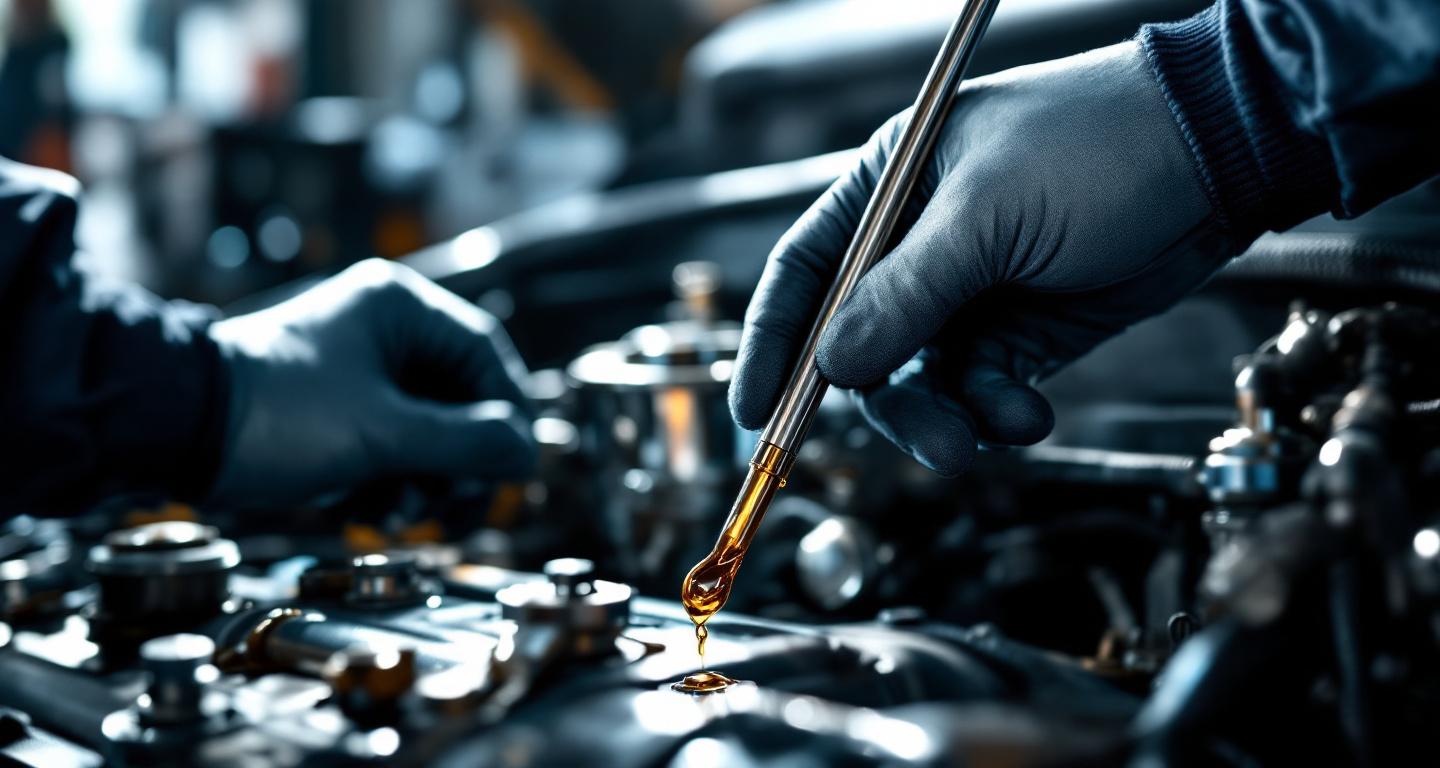
Your car needs an oil change when the oil appears dark and gritty, the engine makes unusual noises, dashboard warning lights activate, or it's been 3,000-7,500 miles since your last change, depending on your oil type and driving conditions.
Why Does Oil Change Timing Matter So Much?
Engine oil serves as your car's lifeblood, lubricating moving parts, reducing friction, and carrying away heat and contaminants. Fresh oil flows smoothly and maintains proper viscosity, but over time it breaks down, accumulates debris, and loses its protective properties. Ignoring oil change intervals can lead to engine damage costing thousands of dollars. The key is recognizing the warning signs before your engine suffers permanent damage. Modern engines are more sophisticated than ever, but they still depend on clean oil to function properly.
What Are the Most Obvious Visual Signs?
Your eyes can tell you a lot about your oil's condition. Here are the visual indicators that signal it's time for a change:
- Dark, black oil that looks thick and gritty instead of amber and smooth
- Oil that feels sticky or has visible particles when rubbed between fingers
- Low oil level on the dipstick, indicating consumption or leaks
- Oil that has a burnt smell or unusual odor
- Metallic particles or debris visible in the oil
What Sounds Should Alert You to Oil Problems?
Your engine communicates its oil needs through sound. Fresh oil creates a quiet, smooth-running engine, while old or insufficient oil causes distinctive noises. Listen for knocking or ticking sounds, especially when starting the engine or during idle. These sounds indicate that metal parts are grinding against each other without proper lubrication. A louder-than-normal engine, particularly during acceleration, often signals that oil has lost its viscosity and isn't providing adequate protection. If your normally quiet engine suddenly becomes noisy, check your oil immediately.
How Do You Properly Check Your Oil?
Checking your oil correctly ensures accurate readings and helps you spot problems early:
- Park on level ground and turn off the engine, waiting 5-10 minutes for oil to settle
- Remove the dipstick, clean it thoroughly with a rag or paper towel
- Reinsert the dipstick completely, then remove it again for reading
- Check both the oil level (between minimum and maximum marks) and color
- Note any unusual texture, smell, or particles in the oil
- Replace the dipstick securely before closing the hood
What Do Dashboard Warning Lights Mean?
Modern vehicles have sophisticated monitoring systems that alert you to oil-related problems. The oil pressure light is the most critical—it indicates dangerously low oil pressure that requires immediate attention. Stop driving immediately if this light appears. The oil life monitor, found in many newer cars, calculates oil degradation based on driving conditions, temperature, and mileage. When it reaches 10% or less, schedule your oil change soon. Some vehicles also have low oil level sensors that trigger dashboard warnings. Don't confuse these different alerts—oil pressure warnings require immediate action, while oil life monitors provide advance planning time.
How Do Driving Conditions Affect Oil Change Frequency?
Your driving habits significantly impact how often you need oil changes. Severe driving conditions accelerate oil breakdown:
- Stop-and-go city driving or frequent short trips under 10 miles
- Extreme temperatures, both hot summers and cold winters
- Dusty, dirty, or construction zone driving environments
- Frequent towing or carrying heavy loads
- High-performance or aggressive driving styles
When Should You Change Different Types of Oil?
Oil type dramatically affects change intervals, and using the right schedule prevents both over-maintenance and engine damage. Conventional oil typically needs changing every 3,000-5,000 miles, especially in older vehicles or severe driving conditions. Full synthetic oil can last 7,500-10,000 miles in optimal conditions, though many mechanics recommend the conservative 7,500-mile mark. Synthetic blend oils fall somewhere between, usually requiring changes every 5,000-7,500 miles. Always consult your owner's manual for manufacturer recommendations, as newer engines often have specific requirements that override general guidelines.
What Performance Issues Indicate Old Oil?
Beyond obvious signs, subtle performance changes can indicate your oil needs attention. Reduced fuel economy often occurs when thick, old oil forces the engine to work harder. Sluggish acceleration or reduced power, particularly noticeable during highway merging or hill climbing, suggests inadequate lubrication. Harder starting, especially in cold weather, indicates oil that has thickened beyond optimal viscosity. Engine overheating can result from oil that no longer effectively carries heat away from moving parts. These symptoms often develop gradually, making them easy to dismiss until they become severe.
What's Your Pre-Oil Change Inspection Checklist?
Use this checklist monthly to monitor your oil's condition:
- Check oil level using dipstick method
- Examine oil color and consistency
- Note any unusual engine noises during startup and idle
- Review dashboard warning lights or oil life monitor
- Calculate miles since last oil change
- Consider recent driving conditions and weather
- Look for oil spots under parked car indicating leaks
Frequently Asked Questions
How often should I check my oil level?
Check your oil level monthly and before long road trips. Regular monitoring helps you catch leaks early and ensures adequate lubrication between scheduled changes.
Can I drive with the oil change light on?
Oil life monitors provide advance warning, so you can drive briefly with this light on. However, schedule your change within a few hundred miles for optimal engine protection.
What happens if I wait too long between oil changes?
Delayed oil changes cause oil to break down, lose viscosity, and accumulate contaminants. This leads to increased engine wear, reduced performance, and potentially catastrophic engine damage requiring expensive repairs.
Is synthetic oil worth the extra cost?
Synthetic oil lasts longer, performs better in extreme temperatures, and provides superior engine protection. While initially more expensive, longer change intervals often make it cost-effective for most drivers.
Should I change oil more frequently in winter?
Cold weather thickens oil and makes engines work harder during startup. Consider slightly more frequent changes if you experience harsh winters or make many short trips in cold conditions.
Can I mix different types of oil?
While generally safe in emergencies, mixing conventional and synthetic oils reduces the synthetic's benefits. Stick to one oil type and consult your mechanic before mixing different brands or viscosities.
Find a Trusted Mechanic for Your Oil Change
Don't trust your engine to just any service provider. Tools like Linked By Six automatically show you which local mechanics and auto shops your friends and colleagues already trust—discover these connections before you search. Skip the guesswork and find vetted professionals through your extended network.
Recognizing the signs that indicate it's time for an oil change protects your engine and saves money on costly repairs. From visual inspection and unusual sounds to dashboard warnings and performance changes, your car provides multiple indicators when oil service is needed. Regular monitoring, understanding your oil type's change interval, and considering your driving conditions help maintain optimal engine health. Remember that oil changes are preventive maintenance—addressing these signs promptly keeps your vehicle running smoothly for years to come. When in doubt, consult a trusted mechanic who can assess your specific situation and recommend the best maintenance schedule for your driving needs.