
How Seasonal Landscaping Protects Your Property Value
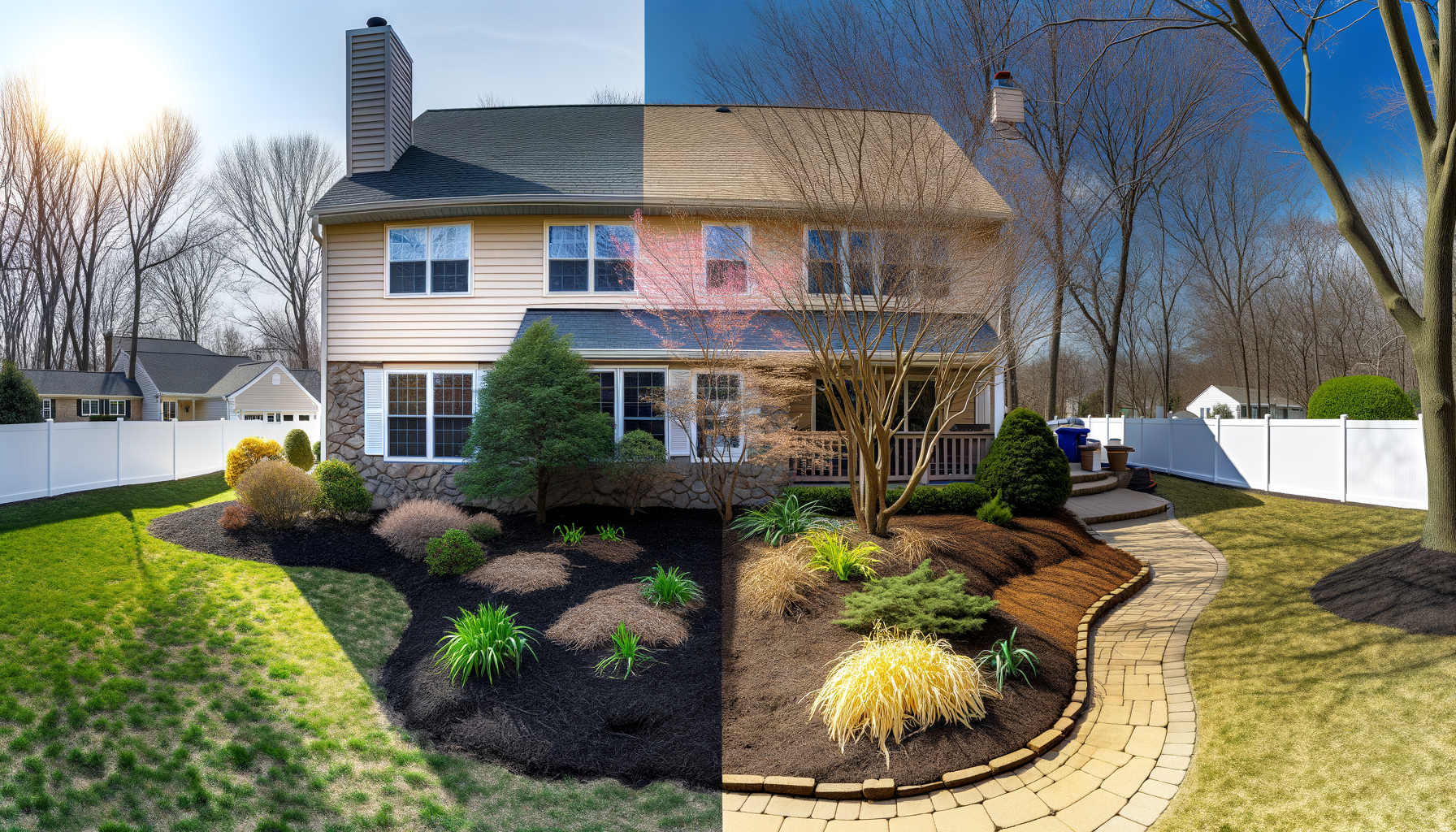
Seasonal landscaping directly impacts property health by managing water drainage, preventing foundation damage, controlling pest habitats, and maintaining soil stability. Proper seasonal care prevents costly structural repairs while boosting property value by 10-15% through enhanced curb appeal and environmental protection.
Why Does Seasonal Landscaping Matter for Property Health?
Your landscape isn't just decorative—it's your property's first line of defense against environmental damage. Seasonal landscaping creates a living system that manages water flow, stabilizes soil, and protects your home's structural integrity year-round. Properties with well-maintained seasonal landscapes experience 40% fewer foundation issues and drainage problems compared to neglected yards. The key lies in understanding how different seasons stress your property differently. Spring brings heavy rains that test drainage systems, summer heat stresses plant root systems that prevent soil erosion, fall debris can clog gutters and create moisture problems, and winter freeze-thaw cycles can damage poorly prepared landscapes. A strategic seasonal approach addresses each challenge before it becomes a costly repair.
What Are the Key Seasonal Landscaping Tasks?
Each season requires specific landscaping actions to maintain property health:
- Spring: Clear drainage systems, prune damaged branches, establish new plantings, and apply fresh mulch to prevent erosion during heavy rains
- Summer: Maintain deep watering schedules, monitor plant health, trim overgrowth away from structures, and ensure proper air circulation around the foundation
- Fall: Remove debris from gutters and drainage areas, prepare plants for winter, aerate compacted soil, and plant winter-hardy vegetation
- Winter: Protect sensitive plants, manage ice and snow accumulation, prune dormant trees, and plan next year's improvements while monitoring for damage
How Does Poor Seasonal Care Damage Your Property?
Neglecting seasonal landscaping creates a cascade of expensive problems. Clogged drainage systems cause water to pool near foundations, leading to basement flooding, foundation cracks, and structural settling. Overgrown vegetation traps moisture against siding and creates entry points for pests and rot. Dead or diseased plants become fire hazards and breeding grounds for insects that can invade your home. Compacted soil from lack of seasonal aeration can't absorb water properly, creating runoff that erodes valuable topsoil and damages neighboring properties. Winter damage from unprepared landscapes often isn't visible until spring, when you discover split pipes, broken branches that damaged roofing, or dead plants that need expensive replacement. Insurance claims related to preventable landscape damage cost homeowners an average of $3,000-$15,000, far exceeding the cost of proper seasonal maintenance.
What Property Health Benefits Does Seasonal Landscaping Provide?
Strategic seasonal landscaping delivers measurable property health improvements:
- Foundation Protection: Proper grading and drainage prevent water damage and soil settling around your home's foundation
- Pest Control: Seasonal cleanup removes breeding grounds for insects, rodents, and other pests that threaten property integrity
- Air Quality Improvement: Healthy plants filter pollutants and reduce dust, creating better indoor air quality
- Temperature Regulation: Strategic plantings provide natural insulation, reducing energy costs and HVAC system strain
- Soil Stability: Root systems and ground cover prevent erosion that can undermine structures and create drainage problems
- Fire Prevention: Regular maintenance removes dead vegetation and creates defensible space around structures
How Do You Choose the Right Seasonal Landscaping Approach?
Your property's specific conditions determine the most effective seasonal landscaping strategy. Start by assessing your lot's drainage patterns during heavy rains—water should flow away from structures, not toward them. Consider your climate zone, soil type, and existing vegetation when planning seasonal tasks. Properties on slopes need different erosion control strategies than flat lots. Homes with large trees require more intensive fall cleanup and branch management. Clay soils need different aeration schedules than sandy soils. The age and condition of existing plants affects your seasonal priorities—mature landscapes need different care than newly established ones. A professional landscape assessment can identify vulnerabilities specific to your property and create a customized seasonal maintenance plan that addresses your biggest risks first.
What Should You Include in Your Seasonal Property Assessment?
Use this checklist to evaluate your property's seasonal landscaping needs:
- Check drainage systems and downspout extensions for proper water flow
- Inspect foundation areas for soil settling, cracks, or moisture issues
- Evaluate plant health and identify diseased or damaged vegetation
- Assess soil compaction and erosion in high-traffic or sloped areas
- Review tree branch proximity to structures and power lines
- Examine mulch depth and coverage around planted areas
- Test irrigation systems for proper coverage and water pressure
- Document seasonal problem areas for targeted improvement
When Should You Hire Professional Seasonal Landscaping Services?
While basic seasonal tasks like raking and mulching are manageable for most homeowners, certain situations require professional expertise. Tree work near power lines or structures needs certified arborists with proper insurance and equipment. Drainage problems require professionals who understand grading, soil composition, and local building codes. Large-scale seasonal cleanups, especially after storm damage, often need teams with commercial equipment and disposal capabilities. Properties with complex irrigation systems benefit from professional seasonal startup and winterization services. If you're dealing with diseased plants, pest infestations, or soil problems, professionals can diagnose issues and implement targeted treatments that prevent recurring problems. The investment in professional seasonal services typically pays for itself by preventing costly emergency repairs and maintaining property value.
How Do You Maintain Consistent Seasonal Care?
Successful seasonal landscaping requires planning and consistency rather than reactive responses to problems. Create a seasonal calendar that outlines specific tasks for each month, accounting for your local climate patterns and plant needs. Spring preparation should begin in late winter, summer maintenance requires weekly attention during growing season, fall cleanup starts before leaves finish dropping, and winter protection happens before the first hard freeze. Document what works and what doesn't each season to refine your approach over time. Many homeowners find success with a hybrid approach—handling routine tasks themselves while scheduling professionals for specialized work like tree pruning, system maintenance, and seasonal transitions. This strategy provides cost control while ensuring critical tasks receive expert attention.
Frequently Asked Questions
How much does seasonal landscaping typically cost per year?
Professional seasonal landscaping services typically cost $500-$2,000 annually for most residential properties, depending on lot size and complexity. This investment prevents damage repairs that often cost $3,000-$15,000.
Can I do seasonal landscaping myself or should I hire professionals?
Basic tasks like mulching and cleanup are DIY-friendly, but tree work, drainage issues, and irrigation systems require professional expertise. A hybrid approach—DIY maintenance with professional seasonal transitions—works well for most homeowners.
How does seasonal landscaping affect my property value?
Well-maintained seasonal landscaping increases property value by 10-15% and reduces time on market by 6-10 weeks. Properties with poor landscaping often sell for 5-10% below market value.
What happens if I skip seasonal landscaping maintenance?
Neglecting seasonal care leads to drainage problems, foundation damage, pest infestations, and plant loss. Emergency repairs for preventable landscape-related damage average $3,000-$15,000, far exceeding maintenance costs.
When should I start planning my seasonal landscaping?
Plan seasonal landscaping 4-6 weeks before each season begins. Spring prep starts in late winter, summer planning begins in late spring, fall preparation starts in late summer, and winter prep begins in early fall.
How do I find reliable seasonal landscaping services?
Look for licensed, insured professionals with local experience and references. Check certifications for specialized work like tree care or irrigation. Get detailed estimates and seasonal maintenance plans before committing to services.
Find Trusted Seasonal Landscaping Professionals
Don't risk costly property damage from seasonal neglect. Tools like Linked By Six automatically show you which landscaping professionals your neighbors and colleagues already trust—see verified connections before you search. Protect your property investment with expert seasonal care backed by community recommendations.
Seasonal landscaping is essential property maintenance, not optional beautification. The systematic approach of addressing each season's specific challenges prevents expensive damage while enhancing your property's value and livability. Whether you handle basic tasks yourself or rely on professional services, consistency in seasonal care protects your investment and ensures your landscape supports rather than threatens your property's health. The cost of proactive seasonal maintenance is always less than reactive emergency repairs, making it one of the smartest investments you can make in your property's long-term success.