
7 Essential Questions to Ask a Mold Remediation Specialist
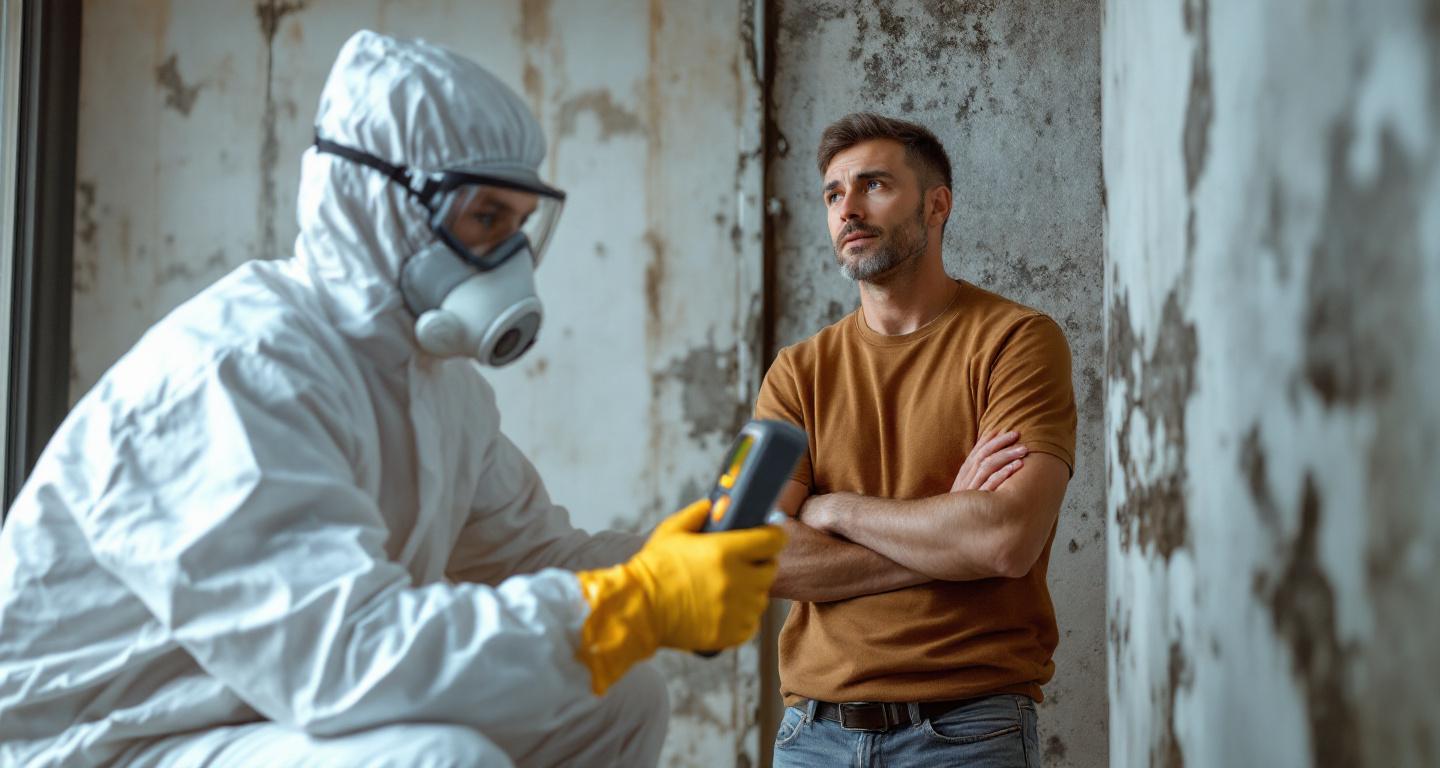
Ask about certifications, testing protocols, containment procedures, remediation timeline, warranty coverage, and insurance verification. Essential questions include their approach to source moisture control and post-remediation testing to ensure complete removal and prevent recurrence.
Why Do Certifications Matter for Mold Remediation?
Mold remediation isn't just cleaning—it's a specialized process that requires proper training and certification. The right specialist should hold certifications from recognized organizations like the Institute of Inspection, Cleaning and Restoration Certification (IICRC) or the National Association of Mold Remediators and Inspectors (NAMRI). These certifications ensure they understand proper containment procedures, health safety protocols, and industry best practices. Without proper certification, a contractor might spread mold spores throughout your home or fail to address the root cause, leading to recurring problems. Always verify certifications are current and ask to see documentation. A legitimate professional will proudly share their credentials and continuing education records.
What Testing and Assessment Process Do They Follow?
A thorough assessment is the foundation of effective mold remediation. The specialist should follow a systematic approach:
- Conduct visual inspection of all affected and adjacent areas to map the full extent of contamination
- Use moisture meters and thermal imaging to identify hidden water sources and moisture problems
- Take air and surface samples for laboratory analysis to identify mold types and spore concentrations
- Document findings with photos and detailed reports before beginning any work
- Develop a written remediation plan based on assessment results and industry standards
- Explain how they'll verify successful remediation through post-work testing and clearance procedures
How Will They Control Moisture at the Source?
The most critical question addresses the root cause: moisture control. Mold will return if the underlying moisture problem isn't resolved. A qualified specialist should identify and address all moisture sources before beginning removal. This might involve fixing leaks, improving ventilation, addressing humidity issues, or waterproofing problems. They should explain their plan for moisture control in detail and coordinate with other professionals like plumbers or roofers if needed. Ask specifically about their approach to drying affected materials, maintaining proper humidity levels during remediation, and preventing future moisture intrusion. Without effective moisture control, even perfect mold removal is temporary.
What Containment and Safety Procedures Do They Use?
Proper containment prevents mold spores from spreading to unaffected areas during remediation. Essential safety procedures include:
- Physical barriers with plastic sheeting and negative air pressure to isolate work areas
- HEPA filtration systems to capture airborne spores and maintain air quality
- Personal protective equipment for workers including respirators, gloves, and protective suits
- Safe disposal procedures for contaminated materials following EPA guidelines
- Daily air monitoring to ensure containment effectiveness throughout the process
- Protection of HVAC systems to prevent spore distribution through ductwork
What's Included in Their Remediation Timeline?
Understanding the timeline helps you prepare and ensures thorough work. The specialist should provide a detailed schedule covering assessment, containment setup, actual remediation, drying time, and final testing. Most residential projects take 3-7 days, but complex cases may require longer. Ask about factors that could extend the timeline, such as discovering additional contamination or delays in moisture control repairs. They should also explain the drying and stabilization period needed before final clearance testing. A rushed timeline often indicates corners being cut, while an unreasonably long timeline might suggest inefficiency. The key is a realistic schedule with clear milestones and flexibility for unexpected discoveries.
Insurance and Documentation Requirements
Protect yourself legally and financially by verifying these essential requirements:
- Current general liability insurance with adequate coverage limits
- Workers' compensation insurance for all crew members
- Environmental liability coverage specific to mold remediation work
- Written contract detailing scope of work, materials, and timeline
- Detailed photo documentation before, during, and after remediation
- Laboratory reports for all testing phases with clear interpretation
- Certificate of completion with clearance testing results
- Warranty coverage for remediation work with specific terms and duration
How Do They Handle Post-Remediation Verification?
Successful remediation must be verified through independent testing. The specialist should explain their post-remediation verification process, including visual inspection, air quality testing, and surface sampling. Ideally, final clearance testing should be performed by an independent third party, not the remediation company, to avoid conflicts of interest. Ask about their criteria for successful completion—spore counts should return to normal background levels. They should provide detailed reports showing before and after comparisons. If initial clearance testing fails, ask about their policy for additional remediation at no extra cost. The job isn't complete until independent testing confirms the space is safe for reoccupation.
What Warranty and Follow-up Do They Provide?
A reputable mold remediation specialist stands behind their work with meaningful warranty coverage. Ask about warranty duration, what's covered, and what could void the warranty. Most quality contractors offer at least a one-year warranty against mold recurrence in remediated areas, provided moisture control measures are maintained. The warranty should be in writing with clear terms about follow-up inspections and any corrective work needed. Ask about their response time if issues arise and whether warranty work includes retesting. Be cautious of warranties with numerous exclusions or very short coverage periods. A contractor confident in their work will offer substantial warranty protection and be available for follow-up questions or concerns.
Frequently Asked Questions
Should the same company do both mold testing and remediation?
It's better to use separate companies to avoid conflicts of interest. Independent testing provides unbiased assessment and verification of remediation success, ensuring you get objective results rather than potentially inflated scope recommendations.
How much should mold remediation cost?
Costs vary widely based on contamination extent, location accessibility, and required repairs. Small areas might cost $500-$1,500, while whole-house remediation can exceed $10,000. Always get detailed written estimates from multiple certified specialists.
Can I stay in my home during mold remediation?
This depends on contamination extent and location. Small, contained projects may allow continued occupancy, but extensive remediation often requires temporary relocation for health and safety reasons. Discuss this during initial consultation.
How long before I can reoccupy treated areas?
Reoccupation is only safe after successful clearance testing confirms normal spore levels. This typically takes 2-5 days after remediation completion, depending on drying time and testing schedule.
What if mold returns after professional remediation?
If mold returns in previously treated areas within the warranty period, the contractor should investigate and re-treat at no charge. Recurrence often indicates incomplete moisture control or inadequate initial remediation.
Do I need to replace all materials that had mold growth?
Not always. Porous materials like drywall and insulation typically require replacement, while hard surfaces can often be cleaned effectively. The specialist should explain their material-specific approach based on contamination severity.
Find Trusted Mold Remediation Specialists
Finding a qualified mold remediation specialist you can trust is crucial for your family's health and home's safety. Tools like Linked By Six automatically show you which local mold specialists your friends and colleagues have used and recommended, giving you confidence before you even make contact. See your network's trusted connections and make an informed decision based on real experiences from people you know.
Asking the right questions upfront can save you thousands of dollars and protect your family's health. Focus on certifications, comprehensive assessment procedures, moisture control strategies, and warranty coverage. Remember that the lowest bid isn't always the best value when dealing with something as serious as mold contamination. A thorough, certified professional who follows proper protocols and stands behind their work with meaningful warranties will provide the peace of mind you need. Take time to verify credentials, check references, and ensure the specialist uses independent testing for final clearance. Your diligence in selecting the right professional will pay dividends in successful, lasting remediation.