
7 Essential Questions to Ask Fire Damage Restoration
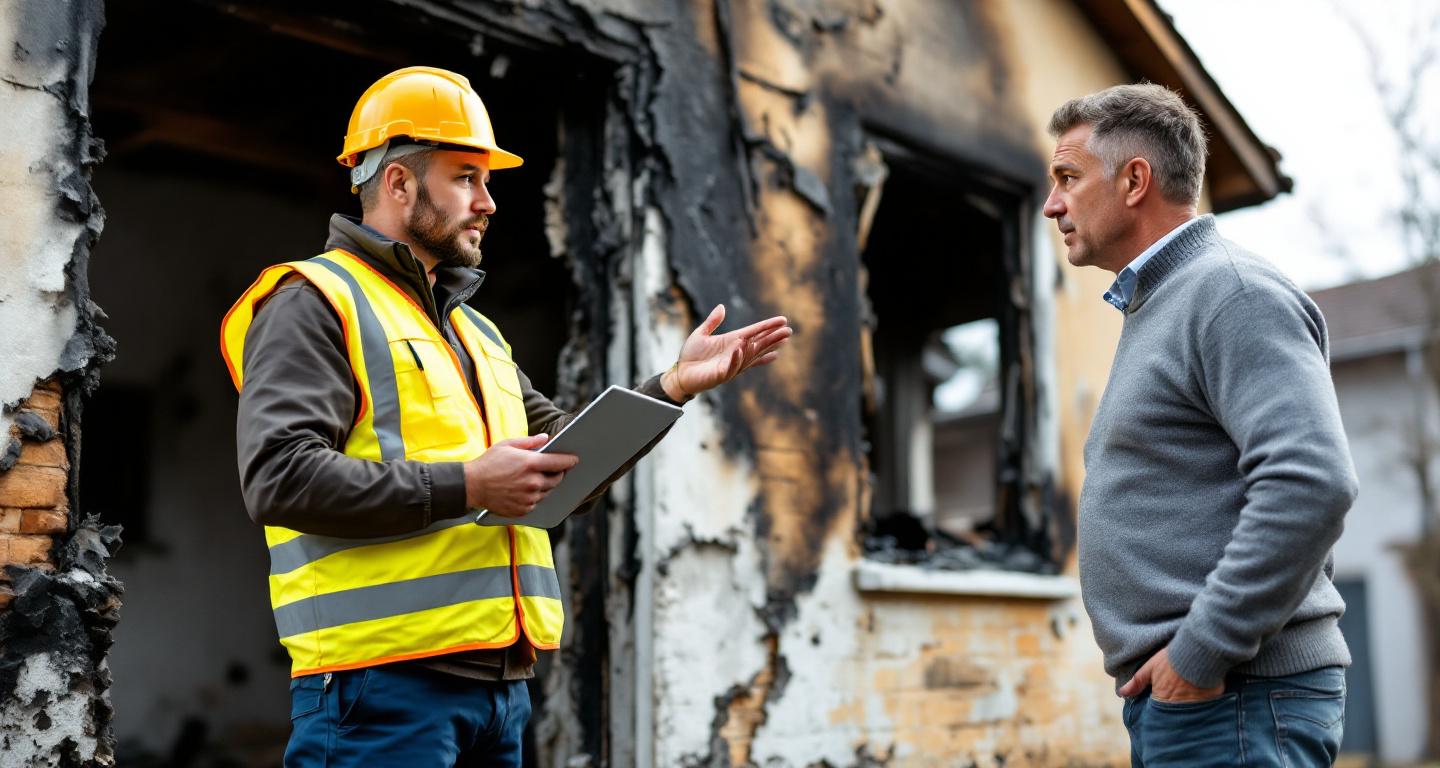
Ask fire damage restoration services about their licensing, insurance coverage, timeline expectations, scope of work, equipment used, and warranty policies. Verify their emergency response availability, safety protocols, and experience with insurance claims to ensure professional, comprehensive restoration.
Why do the right questions matter when hiring fire restoration services?
Fire damage restoration is one of the most complex and urgent home services you'll ever need. Unlike routine maintenance, fire restoration involves health hazards, structural concerns, insurance claims, and time-sensitive decisions that affect your family's safety and financial security. The restoration company you choose will have access to your damaged property, handle valuable belongings, and make decisions that impact your home's long-term structural integrity. Asking the right questions upfront helps you identify contractors who have proper training, equipment, and accountability measures in place. It also reveals red flags like unlicensed operators, inadequate insurance coverage, or companies that make unrealistic promises about timelines or costs.
What licensing and certification questions should you ask?
Professional fire damage restoration requires specialized training and certifications. These credentials ensure the company follows industry standards for safety and quality.
- Are you licensed as a general contractor in this state, and can I verify your license number online?
- Do your technicians hold certifications from the Institute of Inspection, Cleaning and Restoration Certification (IICRC)?
- Are you certified specifically for fire and smoke damage restoration, or do you primarily handle water damage?
- Can you provide documentation of your certifications and any continuing education requirements you maintain?
What insurance and bonding questions protect you financially?
Fire restoration work involves significant liability risks, from structural damage to personal injury. Comprehensive insurance coverage protects both you and the contractor during the restoration process. Ask to see current certificates of insurance that include general liability coverage of at least $1 million, workers' compensation insurance, and bonding that covers theft or damage to your belongings. Verify that their insurance carrier will cover any additional damage caused during restoration work. Some contractors carry specialized pollution liability insurance that covers contamination or hazardous material exposure during cleanup. Request contact information for their insurance carrier so you can independently verify coverage if needed.
What timeline and availability questions set realistic expectations?
Fire damage worsens over time, making prompt response critical. However, restoration timelines vary significantly based on damage extent and project complexity.
- How quickly can you begin emergency services like board-up, tarping, or water extraction?
- What is your typical timeline for completing the assessment and providing a detailed scope of work?
- How long do similar restoration projects usually take from start to completion?
- Do you work weekends and holidays, and how do you handle urgent issues that arise during restoration?
- What factors could extend the timeline, and how do you communicate delays to homeowners?
- Do you guarantee completion dates, and what happens if the project runs longer than estimated?
What scope of work questions ensure comprehensive restoration?
Fire damage often extends far beyond visible burn areas. Smoke, soot, and water from firefighting efforts can affect areas throughout your home, requiring different restoration techniques. Ask for a detailed explanation of their assessment process, including how they test for hidden smoke damage, structural integrity issues, and contamination in HVAC systems. Professional restoration companies should explain the difference between cleaning, restoration, and replacement for different materials and surfaces. They should also address content cleaning and storage services for your belongings. Understanding their process for handling hazardous materials like asbestos or lead paint that may have been disturbed during the fire is equally important for your family's safety.
What insurance claim questions help protect your coverage?
Working with insurance companies requires specific documentation and procedures. Verify the restoration company's experience with claims:
- Do you work directly with insurance companies and understand their documentation requirements?
- Will you help document damage for my insurance claim with photos and detailed reports?
- Can you work within my insurance company's preferred vendor program if I choose to use it?
- How do you handle situations where insurance coverage disputes arise during restoration?
- Will you provide detailed invoices and documentation needed for insurance reimbursement?
- Do you require full payment upfront, or can you work with insurance payment schedules?
What equipment and safety questions ensure proper restoration?
Professional fire restoration requires specialized equipment for different types of damage. Industrial-grade air scrubbers, ozone generators, thermal foggers, and ultrasonic cleaning equipment are standard tools for comprehensive restoration. Ask about their equipment inventory and whether they own or rent major equipment pieces. Companies that own their equipment typically have more flexibility in scheduling and can respond faster to emergencies. Inquire about their safety protocols for protecting workers and your family from exposure to soot, chemicals, and structural hazards. Professional companies should provide detailed safety plans and may require temporary relocation during certain phases of restoration work.
What warranty and follow-up questions provide long-term peace of mind?
Quality restoration work should come with guarantees and ongoing support. These questions help establish accountability:
- What warranty do you provide on restoration work, and what does it cover specifically?
- How long is your warranty period, and what triggers warranty coverage?
- Do you provide follow-up inspections to ensure restoration quality holds over time?
- How do you handle warranty claims if issues arise after project completion?
- What maintenance recommendations do you provide to prevent future damage?
What pricing and payment questions prevent surprises?
Fire restoration pricing can be complex, involving emergency services, assessment fees, restoration work, and content cleaning charges. Professional companies should provide transparent pricing structures and explain how they calculate costs for different types of work. Ask whether they charge flat rates or hourly fees for different services, and understand what triggers additional charges beyond the initial estimate. Some companies include emergency services in their overall bid, while others charge separately for board-up, water extraction, or temporary climate control. Clarify payment schedules and whether they accept insurance assignment of benefits, which allows them to work directly with your insurance company for payment.
The best fire restoration companies are those that take time to educate homeowners about the process, provide detailed written estimates, and maintain clear communication throughout the project. Trust your instincts if something feels rushed or unclear.
Mike Thompson, Certified Fire Damage Restoration Specialist
Frequently Asked Questions
Should fire restoration companies provide written estimates?
Yes, professional companies should provide detailed written estimates that break down costs for assessment, emergency services, restoration work, and content cleaning. Avoid companies that only provide verbal estimates or seem reluctant to document their pricing and scope of work.
How quickly should fire restoration companies respond to emergencies?
Reputable fire restoration companies typically respond within 1-4 hours for emergency services like board-up, tarping, and water extraction. Immediate response prevents additional damage and shows the company prioritizes urgent situations appropriately.
What certifications matter most for fire damage restoration?
Look for IICRC certification in fire and smoke restoration, along with general contractor licensing in your state. Additional certifications in hazardous materials handling, structural drying, and contents restoration demonstrate comprehensive expertise.
Can I stay in my home during fire damage restoration?
This depends on damage extent and restoration methods being used. Professional companies assess air quality, structural safety, and chemical exposure risks to determine whether temporary relocation is necessary for your family's health and safety.
What happens if insurance doesn't cover all restoration costs?
Professional restoration companies should discuss potential coverage gaps upfront and provide options for handling costs that exceed insurance coverage. They may offer payment plans or help you understand what additional documentation might support your claim.
How can I verify a restoration company's reputation before hiring?
Check their Better Business Bureau rating, verify licensing through state databases, read recent online reviews, and ask for references from recent fire restoration clients. Professional companies welcome scrutiny and provide documentation readily.
Find Trusted Fire Restoration Services
When fire strikes, you need restoration professionals your community already trusts. Tools like Linked By Six help you discover which fire damage restoration companies your friends, neighbors, and colleagues have used successfully—giving you verified recommendations when you need them most. See trusted connections in your area before you search.
Asking the right questions before hiring fire damage restoration services protects your family's safety, your property, and your financial interests during an already stressful time. Focus on verifying credentials, understanding their process, and establishing clear expectations for timeline, pricing, and warranty coverage. Professional restoration companies welcome detailed questions and provide comprehensive answers because they understand the stakes involved in fire damage restoration. Take time to evaluate multiple companies and trust your instincts about their professionalism and expertise. The right restoration partner will guide you through the entire process with transparency, accountability, and the specialized skills needed to restore your home safely and completely.