
How Preventive Care Extends Your Pet's Life by Years
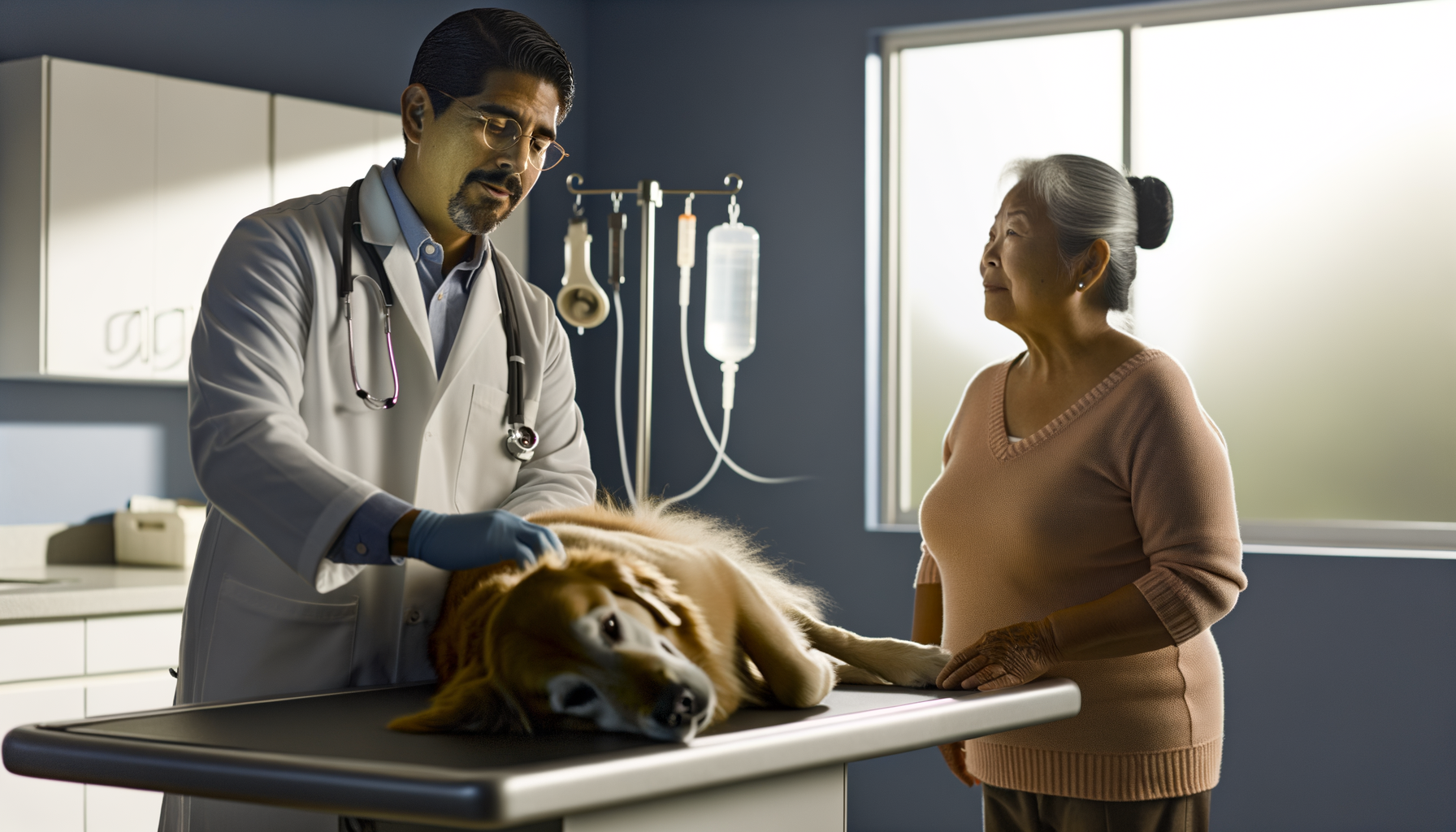
Preventive veterinary care can extend your pet's life by 2-3 years through early disease detection, regular vaccinations, dental care, and nutrition management. Regular checkups catch problems before they become serious, costly conditions.
What Makes Preventive Care So Powerful for Pet Health?
Preventive care works by catching health issues in their earliest, most treatable stages. Unlike emergency medicine, which responds to crises, preventive care identifies problems before your pet shows symptoms. This approach is particularly crucial because pets instinctively hide illness and pain—a survival mechanism that often masks serious conditions until they're advanced. Regular veterinary examinations can detect heart murmurs, kidney dysfunction, dental disease, and even cancer months or years before they would become apparent to pet owners. Early intervention not only improves treatment outcomes but also reduces the physical and emotional stress on both pets and their families. Studies consistently show that pets receiving regular preventive care live longer, healthier lives with fewer emergency interventions.
The Essential Components of Preventive Pet Care
A comprehensive preventive care program includes several key elements that work together to maintain your pet's health:
- Annual or bi-annual wellness examinations with comprehensive physical assessments and age-appropriate diagnostic testing
- Up-to-date vaccinations tailored to your pet's lifestyle, age, and regional disease risks
- Regular dental cleanings and at-home oral care to prevent periodontal disease and systemic infections
- Parasite prevention including flea, tick, heartworm, and intestinal parasite control programs
- Nutritional counseling and weight management to prevent obesity-related diseases
- Spaying or neutering to reduce cancer risks and behavioral issues
- Senior pet screenings including bloodwork, urinalysis, and imaging to catch age-related conditions early
How Does Early Detection Actually Extend Lifespan?
Early detection transforms manageable health issues from potential death sentences into treatable conditions. When veterinarians identify kidney disease in its early stages, dietary modifications and medications can slow progression for years. Heart conditions caught early can be managed with medications that improve quality of life and longevity. Cancer detected through routine screenings often has better treatment options and survival rates. Dental disease prevention stops bacteria from entering the bloodstream and damaging vital organs. Even seemingly minor issues like ear infections, when left untreated, can progress to serious complications. The key lies in the veterinarian's trained ability to detect subtle changes in your pet's body condition, behavior, and vital signs that indicate developing problems. This professional assessment, combined with diagnostic tools like bloodwork and imaging, creates a comprehensive picture of your pet's health status.
What Role Does Vaccination Play in Longevity?
Vaccinations prevent deadly diseases that historically claimed countless pet lives. Core vaccines protect against rabies, distemper, parvovirus, and other fatal conditions that have no cure once contracted. However, modern vaccination protocols go beyond simple disease prevention—they're tailored to your pet's specific risk factors, lifestyle, and geographic location. Indoor cats have different vaccination needs than outdoor adventurers. City dogs face different disease risks than rural farm dogs. Your veterinarian assesses these factors to create a customized vaccination schedule that provides optimal protection without over-vaccinating. Additionally, vaccine effectiveness wanes over time, making regular boosters essential for maintaining immunity. Some vaccines require annual updates, while others provide longer-lasting protection. This individualized approach ensures your pet receives the right protection at the right time, contributing significantly to their long-term health and survival.
The Hidden Health Threats Preventive Care Addresses
Many life-threatening conditions develop silently, making regular veterinary assessments crucial for early detection:
- Kidney disease affects 1 in 3 senior cats and develops slowly over years before showing symptoms
- Heart disease in dogs often presents as a subtle murmur detectable only through examination
- Dental disease affects 80% of pets by age 3, leading to organ damage if untreated
- Diabetes can develop gradually with early signs easily missed by owners
- Thyroid disorders cause widespread health issues but respond well to early treatment
- Arthritis pain is often mistaken for normal aging when early intervention could provide relief
- High blood pressure can damage eyes, kidneys, and heart before causing obvious symptoms
How Do You Choose the Right Veterinarian for Preventive Care?
The quality of preventive care depends heavily on your veterinary team's expertise, communication style, and commitment to wellness-focused medicine. Look for practitioners who emphasize preventive medicine, not just treat sick animals. During initial visits, observe whether the veterinarian takes time to explain findings, discuss your pet's lifestyle, and create customized care plans. Ask about their approach to senior pet care, pain management, and nutritional counseling. The best preventive care relationships develop over time, allowing your veterinarian to establish baselines for your pet's normal values and detect subtle changes. Consider factors like hospital accreditation, continuing education participation, and staff stability. Emergency availability and referral relationships with specialists also matter when preventive care identifies issues requiring advanced treatment. The investment in finding the right veterinary partner pays dividends in your pet's long-term health outcomes.
Your Pet's Preventive Care Action Plan
Use this checklist to ensure your pet receives comprehensive preventive care:
- Schedule annual wellness exams (bi-annual for senior pets)
- Keep vaccination records current and discuss lifestyle-appropriate vaccines
- Maintain year-round parasite prevention protocols
- Schedule professional dental cleanings as recommended
- Monitor your pet's weight and body condition regularly
- Discuss age-appropriate diagnostic testing with your veterinarian
- Create a relationship with a trusted veterinary practice before emergencies arise
- Ask about pain management options for senior pets
- Review your pet's diet and exercise routine annually
- Keep emergency contact information and after-hours options readily available
What's the Financial Reality of Preventive Care?
While preventive care requires ongoing investment, it's significantly more cost-effective than emergency treatment of advanced diseases. Annual wellness examinations and vaccinations cost a fraction of treating serious illnesses like kidney failure, advanced dental disease, or cancer. Pet insurance often covers preventive care, making regular veterinary visits more affordable. Many veterinary practices offer wellness packages that bundle routine services at reduced rates. The emotional cost savings are equally important—preventive care helps avoid the heartbreak of losing a pet to a preventable disease or watching them suffer from conditions that could have been caught early. Consider preventive care an investment in both your pet's quality of life and your family's financial stability. Emergency surgeries, intensive care stays, and specialized treatments can cost thousands of dollars, while routine preventive care typically costs hundreds annually.
Frequently Asked Questions
How often should healthy adult pets see a veterinarian?
Healthy adult pets should have annual wellness examinations, while senior pets (7+ years for dogs, 10+ years for cats) benefit from bi-annual visits to catch age-related changes early.
What diagnostic tests are included in preventive care?
Common preventive tests include annual bloodwork, urinalysis, fecal parasite screening, and heartworm testing. Senior pets may need additional imaging and specialized blood panels.
Can preventive care really add years to my pet's life?
Yes, studies show pets receiving regular preventive care live 2-3 years longer on average through early disease detection, proper nutrition management, and timely medical interventions.
Is pet insurance worth it for preventive care?
Many pet insurance plans cover preventive care including vaccinations, wellness exams, and routine testing, making regular veterinary care more affordable over your pet's lifetime.
What's the most important preventive care for senior pets?
Senior pets benefit most from bi-annual examinations with comprehensive bloodwork to detect kidney, liver, and heart conditions early when treatment is most effective.
How do I find a veterinarian focused on preventive care?
Look for practices emphasizing wellness medicine, offering comprehensive examinations, and taking time to educate clients about their pet's health rather than just treating problems.
Find Your Pet's Preventive Care Partner
Finding a veterinarian who truly prioritizes preventive care makes all the difference in your pet's health outcomes. Tools like Linked By Six can show you which veterinary practices your friends and neighbors trust with their beloved pets—discover these connections before you search, so you can choose a provider with proven expertise in preventive medicine.
Preventive veterinary care represents one of the most impactful investments you can make in your pet's health and longevity. Through regular examinations, appropriate vaccinations, early disease detection, and proactive health management, preventive care can add years to your pet's life while improving their quality of life throughout those years. The key lies in establishing a relationship with a trusted veterinary team who views your pet as a long-term patient, not just a series of problems to solve. By committing to comprehensive preventive care now, you're giving your beloved companion the best chance at a long, healthy, and happy life while potentially saving thousands in emergency treatment costs down the road.