
Essential Steps to Prepare Before Hiring Water Damage Experts
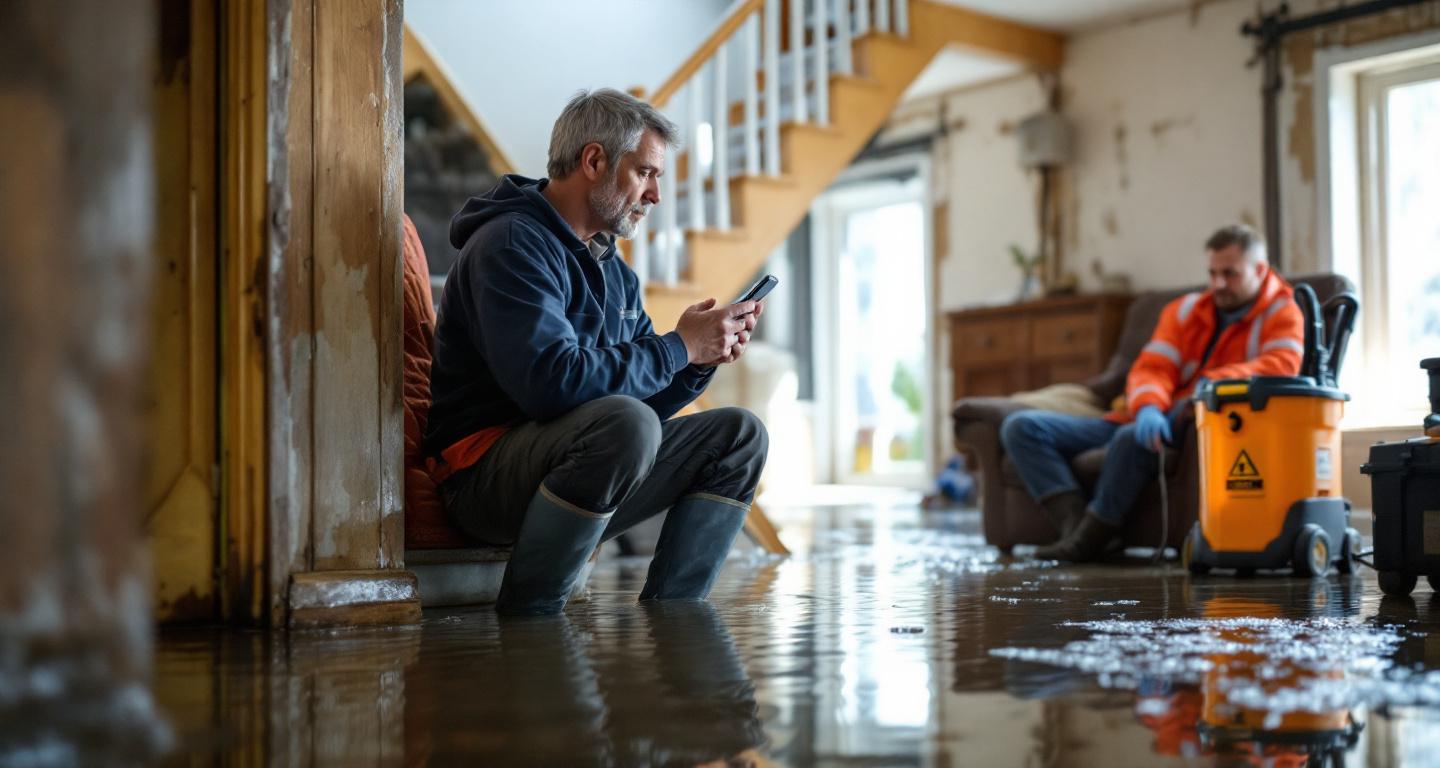
Before hiring water damage restoration, document all damage with photos, contact your insurance company, ensure electrical safety, gather important documents, and research certified restoration companies. Having this preparation ready speeds up response time and protects your claim.
Why Does Proper Preparation Matter During Water Emergencies?
Water damage situations feel chaotic, but taking the right steps before restoration crews arrive can save thousands of dollars and prevent additional damage. Insurance companies require specific documentation, and restoration companies work more efficiently when they have complete information upfront. The first 24-48 hours are critical—mold can begin growing within this timeframe, and water continues spreading through porous materials. Proper preparation ensures you're not scrambling to find documents while water is actively damaging your property. It also helps you identify legitimate restoration companies versus opportunistic contractors who prey on emergency situations. When you're prepared, you maintain control over the situation rather than making hasty decisions under pressure.
What Safety Steps Should You Take First?
Before documenting damage or calling restoration companies, prioritize safety for your family and anyone entering the property:
- Turn off electricity to affected areas at the circuit breaker—never enter flooded areas with active electrical outlets
- Shut off the main water supply if a burst pipe or plumbing failure caused the damage
- Check for structural damage like sagging ceilings, warped floors, or compromised support beams
- Identify the water source and categorize it: clean water (burst pipes), gray water (appliance overflow), or black water (sewage backup)
- Remove valuable items and furniture from affected areas if it's safe to do so
- Ventilate the space by opening windows and doors to reduce humidity and prevent mold growth
How Should You Document Water Damage for Insurance Claims?
Thorough documentation is crucial for insurance claims and helps restoration companies provide accurate estimates. Start with wide-angle photos showing the full scope of damage, then take close-up shots of specific affected items, materials, and areas. Include photos of the water source if visible, and take video walkthroughs narrating what you see. Don't just photograph obvious damage—water travels through walls, under flooring, and into hidden spaces that may not show immediate signs. Create a written inventory of damaged items including approximate ages, purchase prices, and model numbers when possible. Take photos of serial numbers on appliances and electronics. Time-stamp everything and store copies in cloud storage or email them to yourself immediately. This documentation becomes invaluable when dealing with insurance adjusters and restoration companies who need to understand the full extent of damage.
What Documents Should You Gather Before Calling Restoration Companies?
- Homeowner's or renter's insurance policy documents and contact information
- Recent photos of your home's condition before the damage occurred
- Receipts or warranties for damaged appliances, electronics, and valuable items
- Contact information for your insurance agent or company's claims department
- Home inventory list (if you have one) showing possessions and their values
- Previous home inspection reports or contractor assessments
- Utility company contact numbers in case of gas, water, or electrical shutoffs needed
When Should You Contact Your Insurance Company?
Contact your insurance company immediately after ensuring safety and taking initial documentation photos. Many insurers have 24/7 claims hotlines for emergencies. Report the claim as soon as possible—some policies require notification within specific timeframes, and delays can complicate your claim. When calling, have your policy number ready and provide a clear, factual description of what happened and the visible damage. Ask about your policy's coverage limits, deductible amounts, and whether emergency mitigation services are covered. Request information about approved restoration contractors in your area, though you're typically not required to use only their preferred vendors. Get your claim number and the assigned adjuster's contact information. Ask when the adjuster will inspect the property—this timing affects when restoration work can begin. Understanding your coverage upfront helps you make informed decisions about restoration services and avoid unexpected costs.
What Questions Should You Ask Restoration Companies?
Before hiring any restoration service, gather essential information to make an informed decision:
- Are you licensed, bonded, and insured in our state? (Request to see certificates)
- Do you have IICRC (Institute of Inspection, Cleaning and Restoration Certification) certified technicians?
- Can you provide references from recent water damage jobs similar to ours?
- What's included in your emergency response, and what are the costs?
- How do you work with insurance companies, and will you handle the claim directly?
- What equipment do you use, and how long does the typical restoration process take?
- Do you provide a detailed written estimate and timeline before starting work?
- What guarantees do you offer on your restoration work?
What Red Flags Should You Watch For?
Emergency situations attract both legitimate professionals and predatory contractors. Storm chasers often canvass neighborhoods after disasters, offering immediate services but providing substandard work or disappearing after collecting payments. Avoid companies that go door-to-door, demand large upfront payments, or pressure you to sign contracts immediately. Legitimate restoration companies understand that water damage requires careful assessment and won't provide final estimates without thorough inspection. Be suspicious of quotes significantly higher or lower than others—extremely low bids often indicate corner-cutting, while inflated prices target desperate homeowners. Reputable companies carry proper licensing and insurance, which you can verify through state contractor databases. They should also be familiar with local building codes and permit requirements. Companies unwilling to provide local references or proof of certification are major red flags. Quality restoration companies want you to feel confident in their services and will gladly provide documentation of their qualifications.
How Can You Speed Up the Restoration Process?
Preparation dramatically reduces response time and gets restoration crews working efficiently from day one. Having your documentation organized, insurance claim filed, and safety issues addressed means crews can focus immediately on water extraction and drying rather than waiting for approvals or access issues. Create a clear path to damaged areas and remove obstacles like furniture or vehicles that might impede equipment access. Designate a family contact person who can make decisions and communicate with both the restoration company and insurance adjuster. Prepare temporary accommodations if needed—some restoration work requires leaving the home for several days. Keep important phone numbers easily accessible and ensure multiple family members know where critical shutoffs are located. Having utility companies' contact information readily available prevents delays if additional shutoffs become necessary during restoration work. The more prepared you are, the faster your home returns to normal condition.
Frequently Asked Questions
Should I try to remove water myself before professionals arrive?
Only remove standing water if it's safe and from a clean source. Avoid electrical hazards and contaminated water. Focus on moving valuables and documenting damage instead of major water removal.
How quickly do I need to call a restoration company?
Call within 24-48 hours maximum. Mold can begin growing within this timeframe, and prolonged water exposure causes more extensive damage to building materials and belongings.
Will my insurance cover all restoration costs?
Coverage depends on your policy and the damage cause. Review your policy limits, deductibles, and exclusions. Flood damage typically requires separate flood insurance coverage.
Can I stay in my home during water damage restoration?
It depends on the extent of damage and restoration methods used. Minor damage might allow partial occupancy, while major restoration often requires temporary relocation for safety and efficiency.
What if the restoration company and insurance adjuster disagree on costs?
Get multiple estimates and documentation supporting necessary work. Your insurance policy should outline dispute resolution processes. Consider hiring a public adjuster if disputes involve significant amounts.
How can I verify a restoration company's credentials quickly?
Check state licensing databases online, verify IICRC certification on their website, and confirm insurance coverage with their provider. Legitimate companies provide this information readily during emergencies.
Find Trusted Water Damage Restoration Services
When water damage strikes, you need restoration companies your community already trusts. Tools like Linked By Six automatically show you which local restoration services your friends, neighbors, and colleagues have used successfully—giving you verified connections before you search. See your network's trusted providers instantly rather than scrambling through online reviews during an emergency.
Preparing before hiring water damage restoration services transforms a chaotic emergency into a manageable situation. By prioritizing safety, documenting thoroughly, understanding your insurance coverage, and researching companies properly, you maintain control during a stressful time. Remember that the cheapest option rarely provides the best value, and quality restoration work prevents future problems like mold growth or structural issues. Having trusted connections within your community becomes invaluable during emergencies—knowing which restoration companies your neighbors have used successfully provides confidence when making urgent decisions. Take time now to understand your insurance coverage and identify potential warning signs, so you're prepared if water damage ever affects your home.