
How Pet Grooming Needs Change as Your Pet Ages
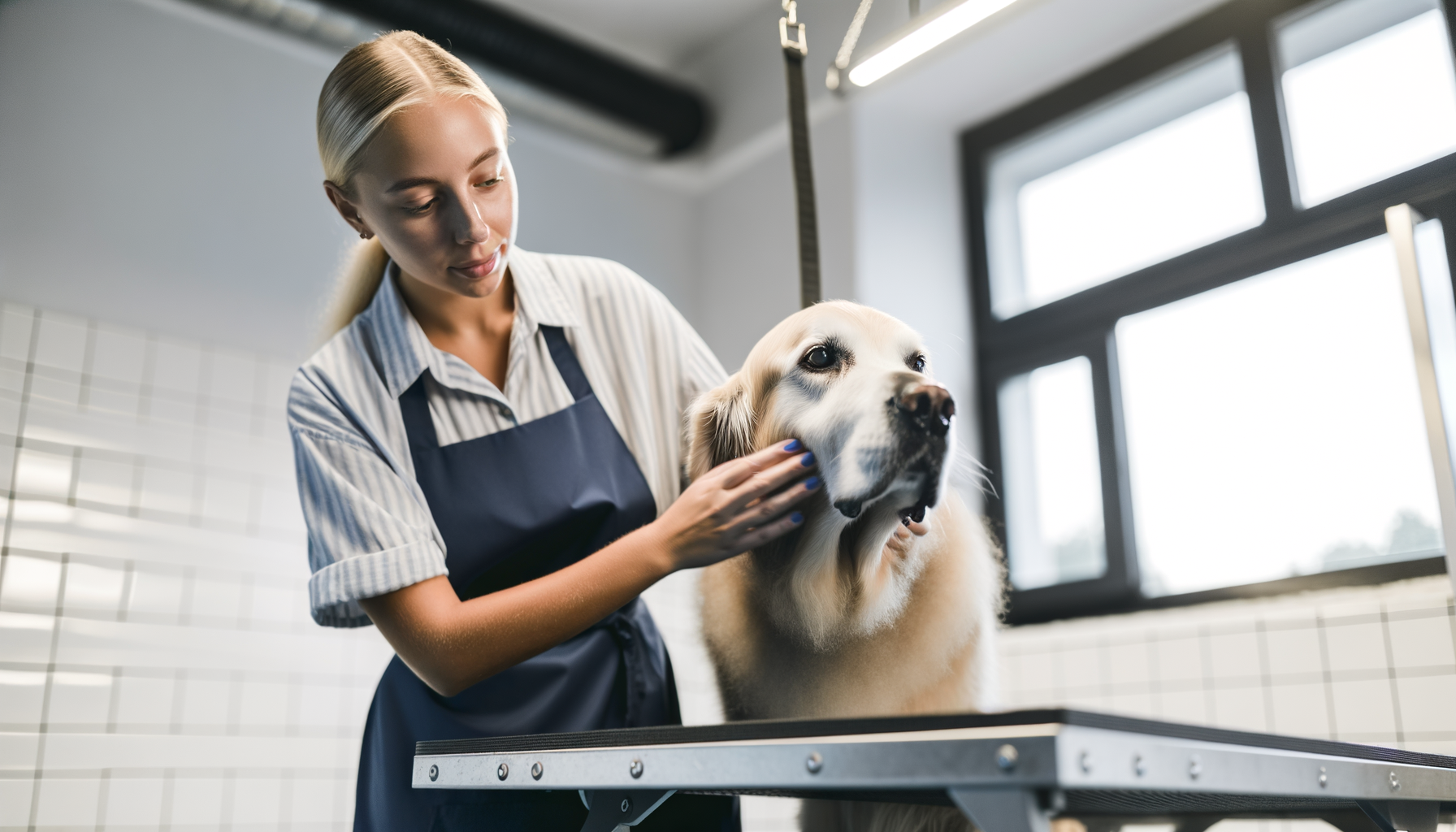
Pet grooming schedules should evolve from every 2-3 weeks for puppies to monthly sessions for adults, then increase to every 2-3 weeks for seniors. Older pets need gentler techniques, shorter sessions, and more frequent nail trims due to reduced activity levels.
Why Do Grooming Needs Change Throughout Your Pet's Life?
Just like humans, pets experience physical changes as they age that directly impact their grooming requirements. A puppy's soft coat and boundless energy create different challenges than an arthritic senior dog who struggles to reach certain areas for self-cleaning. Understanding these life-stage changes helps you maintain your pet's health, comfort, and dignity throughout their entire life. Young pets need frequent grooming to establish routines and manage rapid coat changes, while adult pets settle into predictable maintenance schedules. Senior pets often require the most attention, as age-related conditions like arthritis, vision loss, and skin sensitivity demand specialized care approaches.
What Should Puppy Grooming Focus On?
Puppy grooming lays the foundation for a lifetime of positive grooming experiences. The focus should be on gentle introduction and habit formation:
- Schedule grooming every 2-3 weeks to maintain coat health during rapid growth phases and frequent outdoor accidents
- Keep sessions short (15-30 minutes) to match puppies' limited attention spans and prevent stress
- Focus on desensitization training, getting puppies comfortable with being touched, brushed, and handled
- Use ultra-gentle products specifically formulated for young, sensitive skin
- Prioritize nail trims every 2 weeks since puppies haven't learned to naturally wear down their nails through activity
- Emphasize positive reinforcement with treats and praise to create lasting positive associations
How Does Adult Pet Grooming Differ From Puppy Care?
Adult pets (typically ages 1-7 for dogs, 1-10 for cats) settle into their most predictable grooming phase. Their coats have reached full maturity, and they've usually mastered basic self-grooming behaviors. Most adult pets thrive on monthly professional grooming sessions, though long-haired breeds may need bi-weekly attention. This life stage allows for longer grooming sessions since adults have better focus and patience. Adult pets can handle standard grooming products and more thorough procedures like sanitary trims and detailed coat styling. However, it's crucial to monitor for any changes in skin condition, coat quality, or behavior that might signal developing health issues.
What Special Considerations Do Senior Pets Need?
Senior pets (typically 7+ years for dogs, 10+ years for cats) often need the most individualized grooming approaches. Age brings challenges like arthritis, making it difficult for pets to groom themselves effectively. Their skin becomes thinner and more sensitive, requiring gentler products and techniques. Many seniors develop anxiety about being handled due to pain or cognitive changes. Professional groomers experienced with senior pets understand how to work around mobility issues, provide extra support during grooming, and recognize signs of discomfort. Some seniors benefit from returning to more frequent grooming sessions to compensate for their reduced self-maintenance abilities.
What Are the Key Changes in Senior Pet Grooming?
Senior pets require modified grooming approaches to ensure comfort and safety:
- Increase frequency to every 2-3 weeks as self-grooming ability declines
- Use warming tables and extra padding to support arthritic joints during grooming sessions
- Switch to hypoallergenic, moisturizing products for increasingly sensitive skin
- Provide more frequent nail trims since reduced activity means less natural nail wear
- Schedule shorter sessions with breaks to prevent fatigue and stress
- Monitor for age-related skin conditions like lumps, dry patches, or hot spots
- Consider mobile grooming services to reduce travel stress for anxious seniors
How Do Health Conditions Affect Grooming Schedules?
Chronic health conditions common in aging pets significantly impact grooming needs and schedules. Pets with diabetes may need more frequent grooming due to increased urination accidents and slower healing of minor nicks. Heart conditions might require shorter, less stressful grooming sessions with more frequent breaks. Skin allergies or conditions like dermatitis may necessitate weekly medicated baths rather than standard monthly grooming. Cognitive decline can make once-cooperative pets anxious or confused during grooming, requiring extra patience and modified techniques. Working with groomers who understand these conditions ensures your pet receives appropriate care without compromising their health or comfort.
How Can You Prepare for Age-Related Grooming Changes?
Use this checklist to ensure smooth transitions as your pet ages:
- Document your pet's current grooming routine and any sensitivities
- Research groomers who specialize in senior pet care in your area
- Schedule a veterinary checkup to identify any developing health issues
- Gradually introduce any necessary changes to grooming products or techniques
- Consider investing in quality grooming tools for between-visit maintenance
- Establish a relationship with a trusted groomer before your pet reaches senior status
- Create a comfortable, quiet space at home for basic grooming activities
- Keep records of any changes in your pet's coat, skin, or grooming tolerance
What Role Does Breed Play in Age-Related Grooming Changes?
Different breeds experience varying grooming challenges as they age. Double-coated breeds like Golden Retrievers may develop more severe matting issues in their senior years as they lose the flexibility to reach all areas. Flat-faced breeds such as Bulldogs and Persian cats may need more frequent facial cleaning as respiratory issues can worsen with age. Long-haired breeds often benefit from shorter, more manageable cuts as they age to reduce matting and make self-grooming easier. Hairless breeds may need more frequent moisturizing and sun protection as their skin becomes more fragile. Understanding your pet's breed-specific aging patterns helps you anticipate and prepare for changing grooming needs before they become problematic.
The key to successful senior pet grooming is flexibility and patience. Every older pet is different, and what worked for years might suddenly need adjustment. The goal is maintaining their dignity and comfort, not perfection.
Dr. Jennifer Walsh, Veterinary Dermatologist
Frequently Asked Questions
How often should I groom my senior dog compared to when they were younger?
Senior dogs typically need grooming every 2-3 weeks compared to monthly sessions for adults, as they lose the ability to self-groom effectively and may have skin conditions requiring more attention.
When should I start adjusting my pet's grooming routine for age?
Begin monitoring for changes around age 7 for dogs and 10 for cats. Look for signs like difficulty reaching certain areas, skin sensitivity, or resistance to previously tolerated grooming activities.
Can senior pets still go to regular groomers or do they need specialists?
While some senior pets do fine with regular groomers, those with health issues, mobility problems, or anxiety benefit from groomers specifically trained in senior pet care and gentle handling techniques.
What are the warning signs that my aging pet needs a different grooming approach?
Watch for increased matting, difficulty standing during grooming, new skin sensitivities, resistance to handling previously comfortable areas, or signs of pain like panting or trembling during grooming sessions.
Should I groom my senior pet less frequently if they seem stressed?
Don't reduce frequency, but modify the approach. Use shorter sessions, gentler techniques, provide more breaks, and consider mobile grooming to reduce travel stress while maintaining necessary hygiene care.
Find the Right Groomer for Your Pet's Life Stage
Finding a groomer who understands your pet's changing needs shouldn't require endless phone calls and guesswork. Tools like Linked By Six help you discover which local groomers your friends and neighbors trust with their own aging pets—see real experiences from your network before you book that first appointment.
Adapting your pet's grooming schedule as they age isn't just about maintaining appearances—it's about preserving their health, comfort, and quality of life. From energetic puppies who need frequent, short sessions to senior pets requiring gentle, specialized care, each life stage brings unique opportunities to strengthen your bond while keeping your companion healthy. By understanding these evolving needs and working with experienced professionals, you can ensure your pet remains comfortable and well-cared for throughout their entire life. Remember that every pet ages differently, so stay flexible and attentive to your individual companion's changing needs.