
How HVAC Filters Impact Your Energy Bills: Complete Guide
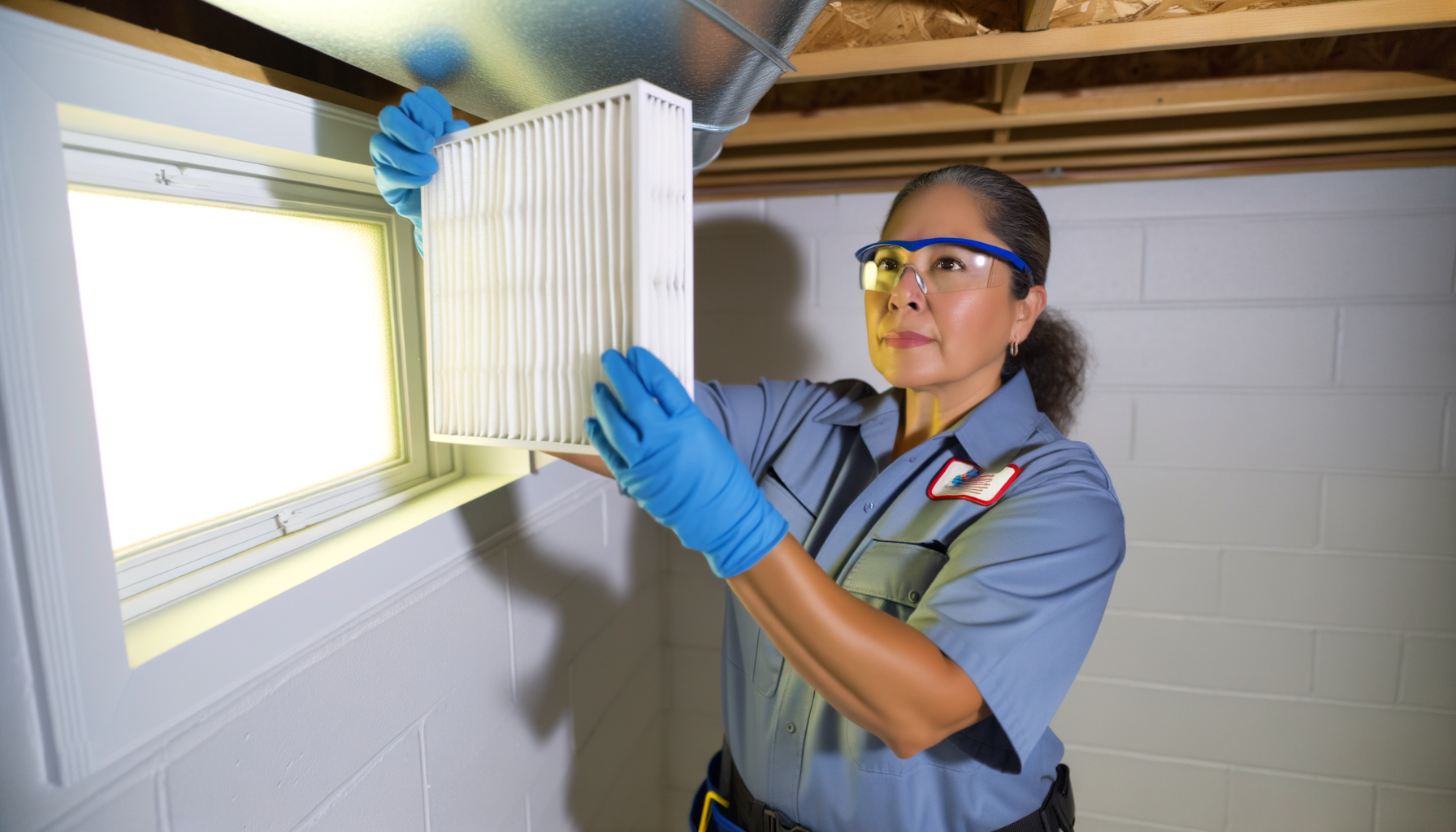
HVAC filters directly impact energy efficiency by controlling airflow resistance. Dirty or wrong-sized filters force systems to work harder, increasing energy consumption by 5-15%. The right filter type, proper sizing, and regular replacement optimize airflow while maintaining air quality.
Why Do HVAC Filters Affect Energy Consumption?
Your HVAC system relies on steady airflow to operate efficiently. When filters become clogged with dust, pet hair, and debris, they create resistance that forces your system to work harder. This increased workload translates directly into higher energy bills. A dirty filter acts like a person trying to breathe through a straw—your HVAC system struggles to pull air through the obstruction, using more electricity to maintain the same comfort level. The relationship between filter condition and energy use is measurable: studies show that replacing a dirty filter can improve energy efficiency by 5-15% immediately. This happens because clean filters allow your system to operate at its designed airflow rate, keeping components like the blower motor, compressor, and heat exchanger working within optimal parameters.
What Filter Types Offer the Best Energy Efficiency?
Different filter types balance air quality with energy efficiency differently. Understanding your options helps you choose the right filter for both performance and cost savings:
- Fiberglass filters (MERV 1-4): Lowest cost and minimal airflow restriction, but poor air quality improvement. Best for systems with existing air quality issues where maximum airflow is priority.
- Pleated filters (MERV 5-12): Balanced option offering good particle capture with moderate airflow restriction. Most residential systems perform well with MERV 8-10 filters.
- High-efficiency filters (MERV 13-16): Superior air quality but higher airflow resistance. Verify your system can handle these before installation to avoid efficiency losses.
- Electrostatic filters: Washable and reusable, offering consistent airflow when properly maintained. Initial cost is higher but eliminates ongoing replacement expenses.
How Often Should You Replace Filters for Optimal Efficiency?
Filter replacement frequency depends on multiple factors, but following a systematic approach ensures maximum energy efficiency:
- Check filters monthly by holding them up to light—if light doesn't pass through easily, replacement is needed regardless of timeline.
- Replace standard 1-inch pleated filters every 1-3 months depending on household factors like pets, smoking, or high dust areas.
- Change 4-5 inch thick filters every 6-12 months, as their larger surface area handles more debris before restricting airflow.
- Monitor energy bills for unexplained increases, which often indicate filter problems even when filters don't appear visibly dirty.
- Set calendar reminders or use smart HVAC systems that track filter life to prevent forgotten replacements that waste energy.
- Keep spare filters on hand to avoid delays that force your system to operate with dirty filters longer than necessary.
How Do Seasonal Changes Affect Filter Performance?
Your HVAC system works harder during extreme weather, making filter efficiency even more critical during peak seasons. Summer and winter months see increased system runtime, meaning dirty filters have amplified negative effects on energy consumption. Spring brings pollen that can quickly clog filters, while fall introduces leaves and outdoor debris. During high-usage seasons, filters may need replacement more frequently than the standard schedule. Additionally, seasonal humidity changes affect how quickly filters accumulate moisture and debris. Humid conditions can cause filters to trap particles more effectively but also reduce airflow faster. Smart homeowners adjust their filter replacement schedule based on seasonal HVAC usage patterns, replacing filters just before peak heating and cooling seasons to ensure maximum efficiency when energy costs are highest.
What Are the Warning Signs of Filter-Related Efficiency Problems?
Recognizing early warning signs helps you address filter issues before they significantly impact energy costs:
- Unexpected increases in monthly energy bills without changes in usage patterns or rate increases
- Reduced airflow from vents throughout your home, even when the system runs continuously
- HVAC system running longer cycles to reach desired temperatures
- Visible dust buildup around vents or on furniture despite regular cleaning
- Unusual sounds from the HVAC unit, particularly strain noises from the blower motor
- Uneven temperatures between rooms that were previously consistent
How Can Professional Maintenance Optimize Filter Efficiency?
While homeowners can handle basic filter replacement, professional HVAC technicians provide insights that maximize energy efficiency. Experienced technicians can evaluate whether your current filter type matches your system's capabilities and your household's air quality needs. They check for air leaks around filter housings that allow unfiltered air to bypass the filter entirely, reducing both air quality and system efficiency. Professionals also inspect ductwork for damage that increases system workload, making filter efficiency even more important. During routine maintenance, technicians clean components that work alongside filters, such as evaporator coils and blower wheels, ensuring the entire system operates efficiently. They can recommend filter upgrade options or system modifications that improve both energy efficiency and indoor air quality, providing personalized solutions based on your specific equipment and usage patterns.
Monthly HVAC Filter Efficiency Checklist
- Remove and inspect current filter for visible dirt and debris accumulation
- Check filter fit to ensure no gaps around edges that allow air bypass
- Verify filter is installed with airflow arrow pointing toward the unit
- Note any changes in system performance or unusual sounds
- Record filter change date and type for future reference
- Stock replacement filters to avoid operating with dirty filters
- Check vents throughout home for consistent airflow
- Review recent energy bills for unexpected increases
The most expensive air filter is a dirty one. I've seen 30% energy increases from homeowners who forgot about filter maintenance for six months. It's the simplest fix with the biggest impact on efficiency.
Mike Rodriguez, Certified HVAC Technician with 15 years experience
What Long-Term Strategies Maximize Filter-Related Energy Savings?
Sustainable energy efficiency requires thinking beyond individual filter changes to comprehensive system management. Consider upgrading to a programmable or smart thermostat that can monitor system performance and alert you to efficiency problems. Smart HVAC systems can track filter life automatically and send replacement reminders, preventing forgotten maintenance that wastes energy. Invest in understanding your home's specific air quality challenges—homes with pets, smokers, or construction nearby need different filter strategies than homes with minimal indoor pollutants. Some homeowners benefit from whole-house air purification systems that reduce the burden on HVAC filters, allowing them to focus primarily on airflow rather than maximum particle capture. Regular professional maintenance, typically twice yearly, ensures all system components work together efficiently and can identify opportunities for filter-related improvements you might miss during routine checks.
Frequently Asked Questions
Can using expensive filters save money on energy bills?
Higher-quality filters can improve efficiency if they match your system's specifications. However, filters that are too restrictive can increase energy costs. The key is finding the right MERV rating for your specific HVAC system's capabilities.
How much can a dirty filter increase energy consumption?
A dirty filter can increase energy consumption by 5-15% immediately, with costs continuing to rise the longer the filter remains unchanged. During peak heating and cooling seasons, this impact becomes even more significant on monthly bills.
Do washable filters provide better energy efficiency than disposable ones?
Washable filters can be efficient when properly maintained, offering consistent airflow over time. However, they require regular cleaning every 1-3 months. If cleaning is neglected, they become less efficient than disposable filters.
Should I upgrade my filter during peak HVAC usage seasons?
Yes, installing fresh filters just before summer and winter peak seasons ensures maximum efficiency when your system works hardest. This timing prevents dirty filters from forcing increased energy consumption during your highest usage periods.
Can the wrong filter size affect energy efficiency?
Absolutely. Filters that are too small allow unfiltered air to bypass the system, while oversized filters may not seal properly. Both scenarios reduce efficiency and can damage equipment over time.
How do I know if my HVAC system can handle higher MERV rated filters?
Check your system manual or consult with a qualified HVAC technician. Systems with variable speed blowers typically handle higher MERV ratings better than single-speed units. Professional assessment prevents efficiency-reducing over-filtration.
Find Trusted HVAC Professionals
Ready to optimize your HVAC system's efficiency? Tools like Linked By Six show you which local HVAC contractors your friends and colleagues already trust—see your connections before you search. This means finding professionals who've already proven their expertise to people in your network, ensuring quality service for filter recommendations and system maintenance.
HVAC filters play a crucial role in your home's energy efficiency, with the potential to increase or decrease energy consumption by 15% or more. The key is choosing the right filter type for your system, maintaining a consistent replacement schedule, and recognizing warning signs of filter-related efficiency problems. Regular maintenance, whether DIY or professional, ensures your system operates at peak efficiency year-round. Remember that the most expensive filter isn't necessarily the best choice—optimal efficiency comes from matching filter specifications to your specific system capabilities and household needs. By treating filter maintenance as an investment in energy savings rather than just a chore, you'll see the impact on both your monthly bills and system longevity.