
How Weather Changes Damage Your Home's Plumbing
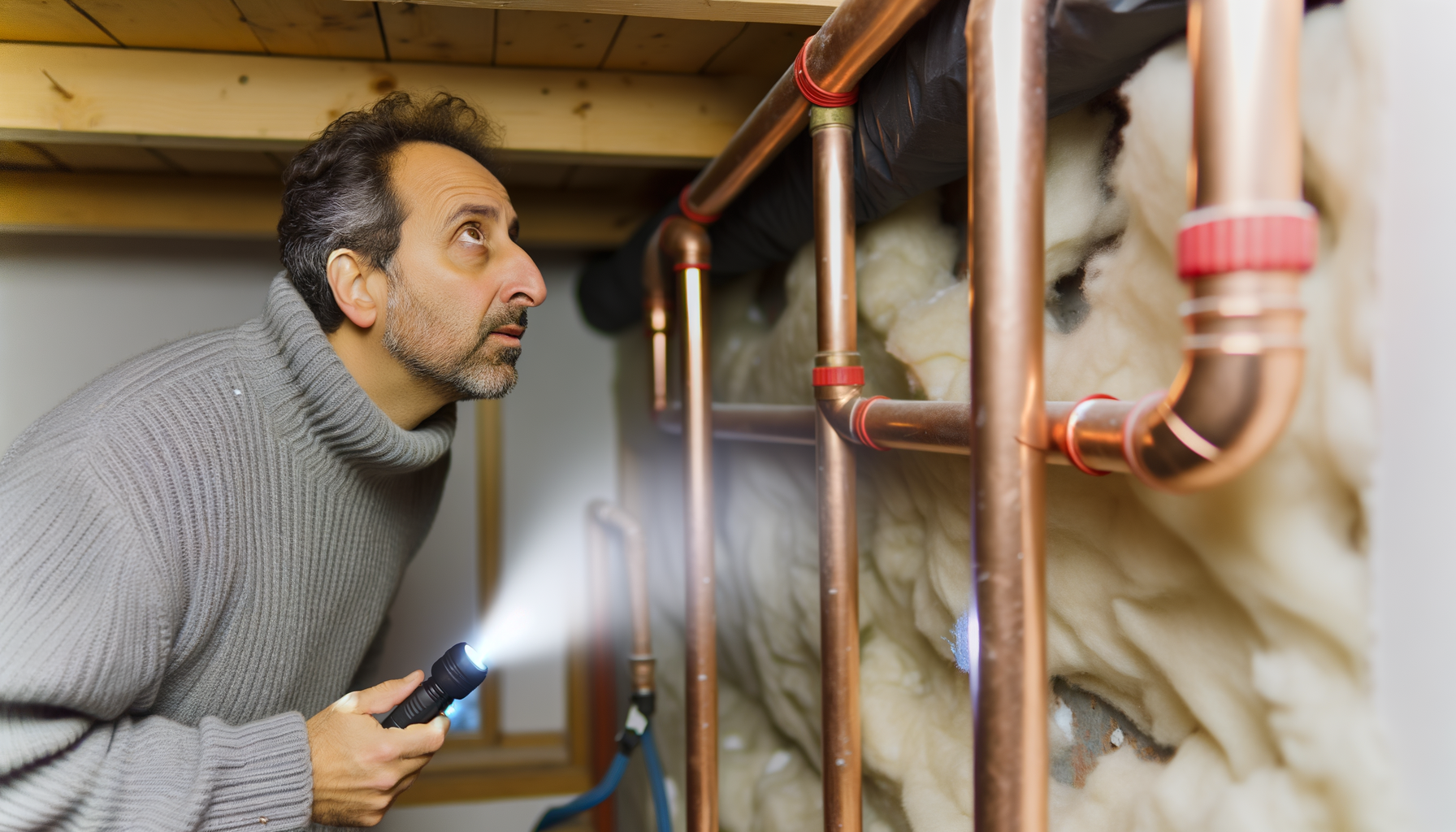
Weather changes impact household plumbing through freezing temperatures that burst pipes, ground shifts that crack underground lines, and temperature fluctuations that stress joints and connections, potentially causing thousands in damage without proper preparation.
Why Do Temperature Swings Damage Plumbing Systems?
Your plumbing system faces constant stress from temperature changes because water expands when it freezes and contracts when it thaws. This expansion creates immense pressure inside pipes—up to 2,000 pounds per square inch—that can crack even the strongest materials. Beyond freezing, temperature fluctuations cause metal pipes to expand and contract repeatedly, loosening joints and creating weak points. The ground around your home also shifts with temperature changes, putting additional stress on underground water and sewer lines. These combined forces make weather changes one of the leading causes of plumbing emergencies, with insurance claims spiking during extreme weather periods.
What Are the Most Vulnerable Areas in Your Home?
Certain parts of your plumbing system face higher risks during weather changes. Understanding these vulnerable zones helps you focus your prevention efforts where they matter most:
- Exterior walls and unheated spaces like garages, basements, and crawl spaces where pipes lack protection from temperature extremes
- Pipes near windows, doors, or vents where cold air drafts can reach plumbing lines and cause localized freezing
- Underground lines between your home and the street, especially older pipes that may already have small cracks or weak joints
- Water heater connections and supply lines in unfinished areas that don't receive consistent heating
- Outdoor spigots, irrigation systems, and pool equipment that face direct exposure to freezing temperatures
- Attic plumbing lines that experience the most dramatic temperature swings between day and night
How Does Seasonal Ground Movement Affect Underground Pipes?
The soil around your home expands and contracts with temperature and moisture changes, creating a phenomenon called frost heave in colder climates and soil shifting in areas with dramatic temperature swings. Clay soils are particularly problematic because they expand significantly when wet and contract when dry, putting stress on buried water and sewer lines. This constant movement can cause joints to separate, pipes to crack, or connections to loosen gradually over time. Tree roots compound the problem by seeking out small leaks for water sources, eventually growing large enough to completely block or break pipes. Homes built on unstable soil or in areas with poor drainage face higher risks, especially during spring thaws when rapid soil changes occur.
What Warning Signs Should You Watch For?
Early detection can prevent minor weather-related issues from becoming major plumbing disasters. Stay alert for these warning signs:
- Reduced water pressure or flow from faucets and showerheads, indicating possible ice blockages or pipe damage
- Strange noises like banging, gurgling, or whistling sounds when turning on water, suggesting air in the lines or pressure changes
- Visible frost or ice on exposed pipes, especially those along exterior walls or in unheated areas
- Water stains or moisture on walls and ceilings that appear after temperature changes, indicating hidden leaks
- Unexplained increases in water bills that could signal underground leaks caused by ground movement
- Sewage backups or slow drains that might indicate frozen or damaged sewer lines
- Puddles or soggy areas in your yard, particularly near the water line connection to your home
Essential Weather Preparation Steps
Protect your plumbing system with these proven preparation strategies:
- Insulate exposed pipes in basements, crawl spaces, and along exterior walls using foam sleeves or wrapping
- Seal air leaks around pipes where they enter your home, including gaps around windows and doors
- Keep cabinet doors open during cold snaps to allow warm air to circulate around pipes under sinks
- Maintain consistent indoor temperatures, avoiding dramatic thermostat changes that stress your system
- Disconnect and drain outdoor hoses, shutting off exterior water valves before first freeze
- Know the location of your main water shut-off valve and test it annually to ensure it works properly
- Schedule annual professional inspections to identify vulnerable areas before weather extremes hit
Homeowners who invest in preventive plumbing maintenance save an average of $1,200 per year compared to those who wait for emergency repairs, especially during severe weather seasons.
National Association of Home Inspectors, 2024 Annual Report
When Should You Call a Professional Plumber?
While basic prevention steps help, certain situations require immediate professional attention. Call a licensed plumber if you discover any frozen pipes, even if they haven't burst yet, as improper thawing can cause more damage than the initial freeze. Water damage visible on walls or ceilings demands emergency service to prevent structural issues and mold growth. Significant drops in water pressure throughout your home often indicate major line problems that need professional diagnosis and repair. Don't attempt DIY repairs on gas water heaters or main water lines, as these require specialized tools and expertise. Professional plumbers also have thermal imaging equipment to detect hidden problems and can perform pressure tests to ensure your system's integrity after severe weather events.
How Much Does Weather Damage Actually Cost?
Weather-related plumbing damage costs American homeowners billions annually, with individual claims averaging $5,000 to $15,000 for burst pipe incidents. However, these figures only represent direct repair costs—they don't include lost personal belongings, temporary housing expenses, or increased insurance premiums. Prevention costs significantly less, with basic pipe insulation running $50-200 for most homes and professional inspections costing $150-300 annually. Many homeowners insurance policies don't cover gradual damage or problems resulting from poor maintenance, making prevention even more crucial. The financial impact extends beyond immediate costs, as homes with previous water damage often face challenges during resale, with buyers negotiating lower prices or demanding extensive inspections.
Frequently Asked Questions
At what temperature do pipes typically freeze?
Pipes can freeze when temperatures drop to 20°F or below for extended periods, though pipes in unheated areas may freeze at higher temperatures around 32°F.
Should I let faucets drip during cold weather?
Yes, allowing faucets to drip slightly keeps water moving through pipes, reducing freeze risk. Focus on faucets connected to pipes in exterior walls or unheated spaces.
How can I tell if my pipes are frozen but not burst?
Signs include no water flow from faucets, strange odors from drains, or visible frost on exposed pipes. Act quickly as frozen pipes often burst during thawing.
Does homeowner's insurance cover weather-related plumbing damage?
Most policies cover sudden pipe bursts but exclude damage from poor maintenance or gradual leaks. Review your policy and consider additional coverage for older homes.
How often should I have my plumbing inspected for weather vulnerabilities?
Annual inspections are recommended, ideally in early fall before winter weather. Homes over 20 years old or in extreme climates may benefit from bi-annual inspections.
Can smart home technology help prevent weather-related plumbing issues?
Yes, smart water monitors, temperature sensors, and automatic shut-off valves can detect problems early and prevent major damage when you're not home.
Find Weather-Ready Plumbing Professionals
Don't wait for the next weather emergency to find a trusted plumber. Tools like Linked By Six automatically show you which local plumbing professionals your friends and colleagues already trust, helping you build relationships with reliable experts before you need emergency repairs. Download our free winter plumbing preparation checklist to start protecting your home today.
Weather changes pose serious threats to your home's plumbing system, from frozen pipes that burst to underground line damage from soil movement. The key to protection lies in understanding your home's vulnerable areas and taking proactive steps before extreme weather hits. Regular maintenance, proper insulation, and professional inspections cost far less than emergency repairs and water damage restoration. By preparing your plumbing system for seasonal changes and knowing when to call professionals, you can avoid the stress and expense of weather-related plumbing disasters. Remember that prevention is always more affordable than emergency repairs, and building relationships with trusted local professionals before you need them ensures faster, more reliable service when weather threatens your home.