
How to Prepare Pets for Stress-Free Vet Visits
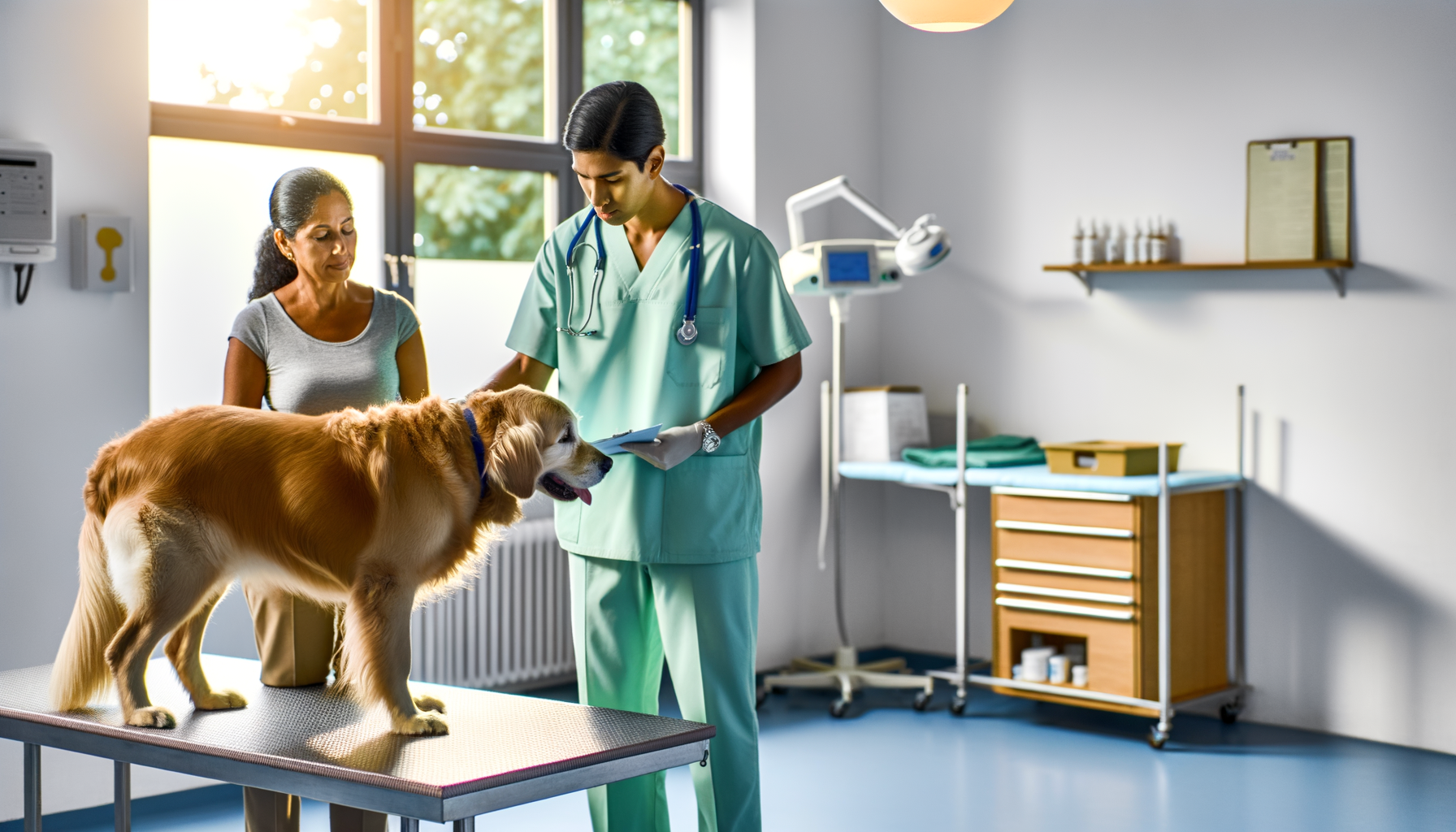
Preparing pets for vet visits involves gathering medical records, familiarizing them with carriers or leashes, bringing favorite treats, and practicing handling exercises at home. Proper preparation reduces anxiety for both pets and owners, leading to more effective examinations and better health outcomes.
Why Does Proper Preparation Matter for Vet Visits?
Veterinary appointments can be stressful experiences that trigger anxiety in both pets and their owners. When pets are unprepared, they may become fearful, aggressive, or uncooperative, making it difficult for veterinarians to conduct thorough examinations. This stress can lead to inaccurate vital signs, incomplete assessments, and the need for sedation or restraint. Proper preparation transforms these potentially traumatic experiences into manageable, even positive interactions. Well-prepared pets are more likely to receive accurate diagnoses, accept treatments willingly, and develop positive associations with veterinary care. Additionally, prepared owners can communicate more effectively with veterinary staff, provide complete medical histories, and make informed decisions about their pet's health. The investment in preparation pays dividends in better health outcomes, reduced veterinary costs, and stronger relationships with your veterinary team.
Essential Documents and Information to Gather
Having complete medical documentation ensures your veterinarian can make informed decisions about your pet's care.
- Current vaccination records and certificates
- Previous veterinary records from other clinics
- List of current medications with dosages and schedules
- Recent laboratory test results or diagnostic imaging
- Pet insurance information and policy details
- Emergency contact information for after-hours care
- Detailed symptom log if visiting for health concerns
- Questions written down to ask the veterinarian
- Preferred pharmacy information for prescription medications
How Can You Reduce Pet Anxiety Before the Visit?
Pet anxiety often stems from unfamiliarity with handling, transportation, and clinical environments. Begin desensitization training weeks before scheduled appointments by practicing gentle handling exercises at home. Touch your pet's paws, ears, and mouth regularly while offering treats and praise. For cats, leave carriers out as comfortable sleeping spaces rather than bringing them out only for vet visits. Dogs benefit from car rides to positive destinations like parks before veterinary trips. Consider using calming aids such as pheromone sprays, anxiety wraps, or calming supplements recommended by your veterinarian. Schedule appointments during less busy times when possible, as quieter waiting rooms reduce stress. Some pets respond well to familiar blankets or toys that carry comforting scents from home.
What Should You Do the Day Before the Appointment?
The day before your visit is crucial for final preparations and ensuring everything goes smoothly.
- Confirm your appointment time and arrival instructions with the clinic
- Prepare a secure, comfortable carrier for cats or proper leash and collar for dogs
- Gather all required documents in a clearly labeled folder
- Follow any pre-visit instructions such as fasting requirements for procedures
- Pack high-value treats your pet loves to create positive associations
- Plan your route to avoid traffic delays and allow extra time for arrival
- Prepare questions about your pet's health, behavior, or preventive care needs
How Do You Handle Transportation and Arrival?
Safe, comfortable transportation sets the tone for the entire veterinary experience. Cats should always travel in secure carriers, even if they typically roam freely in cars. Choose carriers large enough for your cat to stand and turn around, with secure latches and good ventilation. Cover the carrier with a light blanket to create a den-like environment that reduces visual stress. Dogs should be secured with proper harnesses or travel crates, never allowed to ride loose in vehicles. Plan to arrive 10-15 minutes early to allow time for check-in without rushing. Use this time to let your pet acclimate to the new environment gradually. Keep dogs on short leashes to prevent unwanted interactions with other animals in the waiting area. If your pet becomes extremely anxious in waiting rooms, ask about waiting in your car until the veterinarian is ready.
What Information Should You Communicate to Your Veterinarian?
Clear communication helps your veterinarian provide the best possible care for your pet.
- Any changes in appetite, water consumption, or bathroom habits
- Behavioral changes, lethargy, or unusual activity levels
- New symptoms or concerns since scheduling the appointment
- Your pet's normal personality and any handling sensitivities
- Current diet, treats, and feeding schedule details
- Exercise routines and any recent changes in activity
- Interactions with other pets or environmental changes at home
- Your goals for the visit and any specific concerns or questions
How Can You Support Your Pet During the Examination?
Your presence and demeanor significantly influence your pet's stress levels during examinations. Remain calm and speak in soothing, familiar tones to provide emotional support. Many pets feel more secure when owners participate in gentle restraint rather than being held by strangers. Ask your veterinarian how you can help position or comfort your pet during procedures. Avoid hovering anxiously or transmitting your own stress through tense body language or worried voices. Trust your veterinary team's expertise while advocating for your pet's comfort when necessary. Some pets benefit from brief breaks during longer examinations, especially older animals or those with mobility issues. Don't hesitate to request pain management or sedation if your pet becomes extremely distressed, as this often leads to more thorough and accurate examinations.
What Follow-Up Actions Should You Take After the Visit?
Post-visit care is just as important as preparation for maintaining your pet's health and building positive associations with veterinary care. Review all discharge instructions carefully before leaving the clinic, and don't hesitate to ask for clarification about medications, treatments, or follow-up care. Schedule any recommended follow-up appointments while you're still at the clinic to ensure continuity of care. Take notes about important recommendations or changes to your pet's care routine. If medications were prescribed, understand proper dosing, timing, and potential side effects. Create a quiet, comfortable recovery space at home if your pet received treatments or vaccinations. Monitor your pet for any unusual reactions or changes in the hours following the visit, and know when to contact your veterinarian with concerns. Reward your pet with special treats or activities to end the experience on a positive note.
Frequently Asked Questions
How long before a vet appointment should I start preparing my anxious pet?
Begin preparation 2-4 weeks before the appointment for anxious pets. This allows time for desensitization training, carrier familiarity, and gradual handling practice to reduce stress effectively.
Should I feed my pet before a veterinary appointment?
Follow your veterinarian's specific instructions. For routine visits, normal feeding is usually fine. However, some procedures require fasting 8-12 hours beforehand, so confirm requirements when scheduling.
What if my pet gets car sick on the way to vet appointments?
Consult your veterinarian about anti-nausea medications. Keep windows cracked for fresh air, avoid feeding 2-3 hours before travel, and consider shorter practice trips to build tolerance gradually.
Can I bring multiple pets to appointments together?
This depends on your pets' temperaments and the clinic's policies. Some pets find comfort in familiar companions, while others become more stressed. Discuss options with your veterinary team beforehand.
What should I do if my pet becomes aggressive during examination?
Stay calm and follow your veterinarian's instructions immediately. Professional staff are trained in safe handling techniques. Never attempt to restrain an aggressive pet yourself as this can escalate the situation dangerously.
How do I find a veterinarian that's good with anxious pets?
Look for fear-free certified practices that specialize in low-stress handling techniques. Reading reviews and getting recommendations from other pet owners can help identify compassionate, patient veterinary teams.
Find a Trusted Veterinarian
Finding the right veterinarian for your pet's needs makes all the difference in their health and happiness. Tools like Linked By Six can show you which local veterinary practices your friends and fellow pet owners already trust—discover these connections before you search. Download our free pet health record organizer to keep all your pet's medical information easily accessible for every vet visit.
Preparing pets for veterinary appointments transforms potentially stressful experiences into manageable, even positive interactions that benefit everyone involved. From gathering complete medical records to practicing handling exercises and managing transportation anxiety, thorough preparation leads to more effective examinations and better health outcomes for your beloved companion. Remember that building positive associations with veterinary care is an ongoing process that pays dividends throughout your pet's lifetime. The time invested in proper preparation strengthens the relationship between you, your pet, and your veterinary team, ensuring your furry family member receives the best possible care when they need it most.