
How to Prepare for Stress-Free Seasonal HVAC Servicing
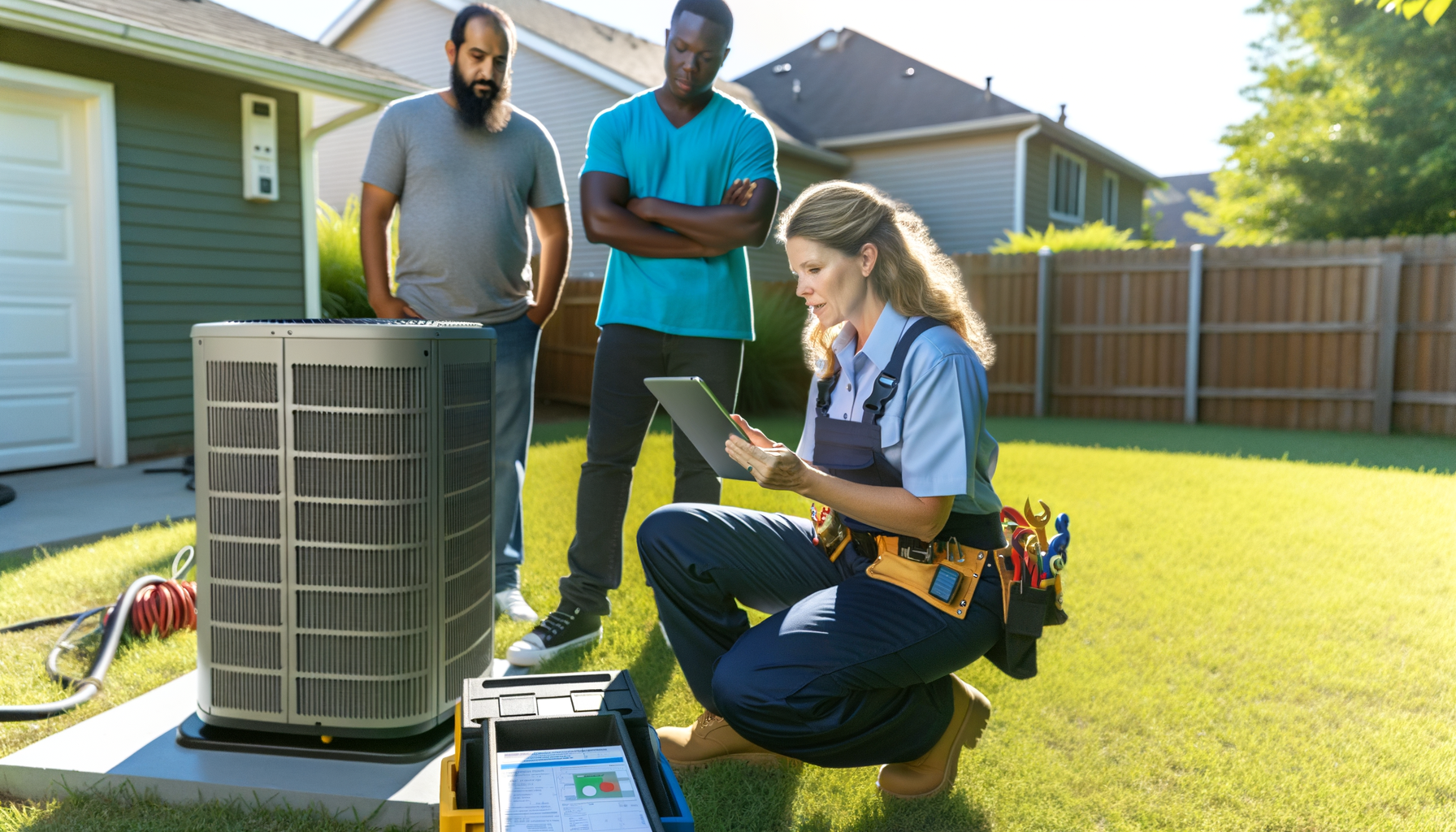
Prepare for seasonal HVAC servicing by researching trusted technicians, clearing access areas, documenting current issues, gathering warranty information, and scheduling service during optimal timing. Proper preparation ensures thorough maintenance, prevents surprises, and builds lasting relationships with reliable service providers.
Why Does Seasonal HVAC Preparation Matter So Much?
Seasonal HVAC servicing isn't just about preventing breakdowns—it's about establishing a relationship with a service provider who understands your home's unique needs. When you prepare properly, you demonstrate professionalism that encourages technicians to provide their best work. More importantly, preparation helps you evaluate whether a service provider is truly trustworthy. A rushed, unprepared service call tells you little about a technician's competence, but a well-prepared interaction reveals their communication style, attention to detail, and genuine expertise. This relationship becomes invaluable when you face emergency repairs or need advice on system upgrades.
What Should You Do Before the Technician Arrives?
Your preparation directly impacts service quality and helps you assess the technician's professionalism:
- Clear all access areas around indoor and outdoor units, removing furniture, storage items, and debris within a 3-foot radius
- Document current issues by writing down specific problems, unusual sounds, temperature inconsistencies, and energy bill changes
- Locate and organize warranty documentation, previous service records, and equipment manuals in a single folder
- Test your system's basic functions and note which rooms heat or cool unevenly
- Prepare a list of questions about efficiency improvements, filter schedules, and maintenance recommendations
- Ensure someone knowledgeable about the home's heating and cooling patterns will be present during service
How Do You Choose the Right HVAC Service Provider?
The best HVAC technicians often come recommended through personal networks because heating and cooling work requires ongoing relationships, not just one-time fixes. Your neighbors deal with similar climate challenges and home construction styles, making their experiences particularly valuable. However, online reviews from strangers can't tell you how a technician handles your specific neighborhood's common issues or whether they're reliable during peak seasons. Focus on finding service providers who demonstrate deep local knowledge, maintain long-term customer relationships, and have established reputations within your community. These technicians understand regional climate patterns and common equipment challenges in your area.
What Questions Should You Ask During Service?
Use these questions to evaluate both your system's condition and the technician's expertise:
- What specific maintenance tasks are you performing today?
- Are there any components showing signs of wear or potential problems?
- How does my system's condition compare to others in this area?
- What seasonal adjustments should I make throughout the year?
- When should I replace filters and what type do you recommend?
- Are there efficiency improvements that would benefit my specific home?
- What warning signs should prompt me to call for service?
- How do you handle emergency calls during peak seasons?
What Should You Expect During Professional HVAC Service?
Professional HVAC service follows a systematic approach that reveals the technician's competence. They should explain their process before beginning, use proper tools for diagnostics, and communicate findings clearly throughout the visit. Expect them to inspect both indoor and outdoor components, test system performance, check refrigerant levels, clean essential components, and provide written documentation of their work. Quality technicians will educate you about your system without talking down to you, respect your home by using shoe covers and drop cloths, and provide honest assessments about repairs versus replacements. They should also offer maintenance agreements that demonstrate their commitment to ongoing relationships.
When Is the Best Time to Schedule Seasonal Service?
Timing affects both service quality and cost:
- Spring service (March-May): Prepare cooling systems before summer heat, better technician availability, and time to address issues before peak season
- Fall service (September-November): Ensure heating systems are ready for winter, pleasant working conditions, and opportunity to catch problems early
- Avoid peak seasons: Summer and winter emergency calls are expensive and rushed, limiting thoroughness
- Consider bi-annual service: Many homes benefit from both spring and fall maintenance, especially in extreme climate areas
How Do You Maintain the Relationship After Service?
The best HVAC relationships extend beyond individual service calls. Keep detailed records of all work performed, including technician names, specific tasks completed, and recommendations made. This documentation helps you track system health over time and demonstrates your seriousness to service providers. Follow through on maintenance recommendations like filter changes and minor adjustments they suggest. When you do experience issues, contact the same company first—this continuity helps them understand your system's history and provides better diagnoses. Professional technicians appreciate customers who value their expertise and maintain their equipment properly between visits.
Frequently Asked Questions
How often should I schedule seasonal HVAC service?
Most systems benefit from annual service, typically in spring for cooling systems and fall for heating systems. Older systems or homes with heavy usage may need bi-annual maintenance for optimal performance.
What should seasonal HVAC service cost?
Basic seasonal maintenance typically costs $100-300, varying by region and system complexity. Comprehensive service agreements often provide better value than individual service calls for regular maintenance.
Should I be present during HVAC service?
Yes, being present allows you to ask questions, learn about your system, and observe the technician's work quality. This interaction helps you evaluate their expertise and communication style.
How long does typical seasonal HVAC service take?
Standard maintenance usually takes 1-2 hours, depending on system complexity and accessibility. Thorough service includes indoor and outdoor components, so allow adequate time for complete inspection.
What happens if problems are discovered during routine service?
Professional technicians will explain discovered issues, prioritize repairs by urgency, and provide written estimates for additional work. Never feel pressured to authorize expensive repairs immediately without consideration time.
Can I perform any HVAC maintenance myself?
Homeowners can safely change filters, clear debris from outdoor units, and keep vents unobstructed. However, refrigerant work, electrical components, and internal cleaning require professional expertise and proper tools.
Find Trusted HVAC Professionals
Don't rely on online reviews from strangers when choosing HVAC service providers. Tools like Linked By Six automatically show you which local HVAC companies your friends, neighbors, and colleagues already trust—giving you confidence before you even call for service.
Preparing for seasonal HVAC service transforms routine maintenance into relationship-building opportunities with trusted professionals. When you research providers through personal networks, prepare your home properly, and engage meaningfully during service calls, you develop ongoing relationships that ensure reliable comfort year-round. Remember that the best HVAC technicians are often discovered through community connections rather than anonymous online searches—these relationships prove invaluable when you need emergency repairs or system advice. Invest time in preparation and relationship-building now to enjoy stress-free seasonal service for years to come.