
How to Prepare for a Home Inspection: Essential Guide
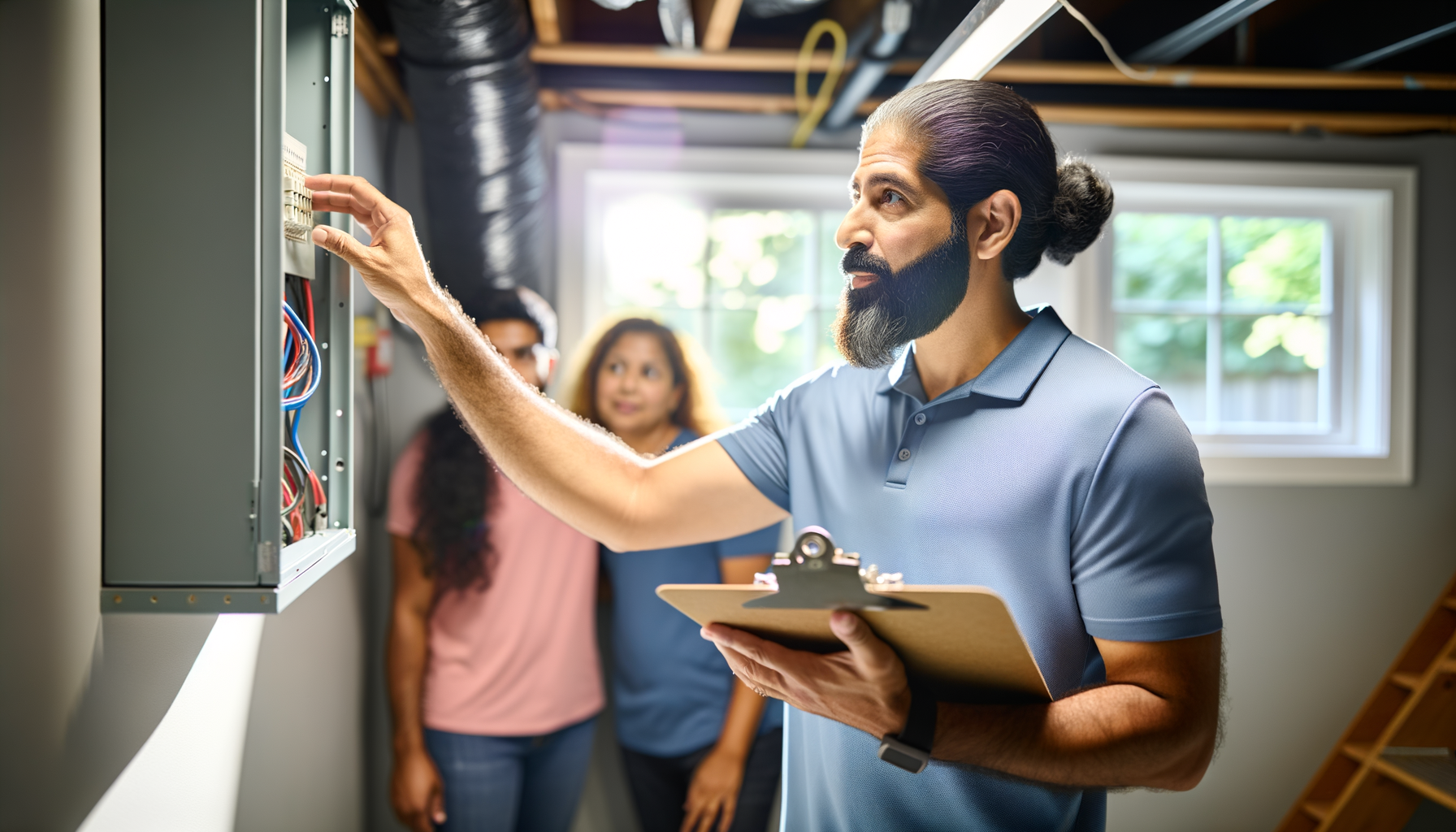
Prepare for your home inspection by clearing access to all areas, gathering maintenance records, ensuring utilities are on, and creating a comprehensive list of known issues. Proper preparation helps inspectors work efficiently and provides you with the most thorough evaluation possible.
Why Does Proper Home Inspection Preparation Matter?
Home inspection preparation directly impacts the quality and thoroughness of your inspection report. When you prepare properly, inspectors can access every area they need to examine, from crawl spaces to attics. This comprehensive access leads to more accurate assessments of your property's condition. Poor preparation can result in missed issues, follow-up visits, or incomplete reports that leave you vulnerable to future problems. Additionally, well-prepared inspections move more smoothly, reducing stress for everyone involved and ensuring you get maximum value from this critical investment in your property's future.
What Steps Should You Take Before the Inspector Arrives?
Start your preparation at least 48 hours before the scheduled inspection to avoid last-minute stress.
- Clear all access points including basement stairs, attic entries, electrical panels, and HVAC equipment areas
- Remove stored items from around water heaters, furnaces, and utility areas to provide unobstructed access
- Unlock all rooms, closets, and storage areas that the inspector needs to examine
- Ensure all utilities (electricity, gas, water) are turned on and functioning normally
- Replace burned-out light bulbs so electrical fixtures can be properly tested
- Secure or relocate pets to prevent interference and ensure everyone's safety during the inspection
How Should You Handle Documentation and Records?
Organize all relevant property documentation before your inspection day. Gather warranties for major appliances, HVAC service records, roof maintenance documentation, and any previous inspection reports. Include permits for renovations or additions, as inspectors need to verify that work was completed properly. Create a simple folder with utility bills from the past year to demonstrate consistent service. If you've addressed any previous issues, include before-and-after photos and contractor receipts. This documentation helps inspectors understand your property's history and can expedite their evaluation process while demonstrating your commitment to proper maintenance.
What Areas Require Special Attention During Preparation?
Certain areas of your home need extra preparation focus. Electrical panels should be completely accessible with nothing stored in front of them. HVAC systems need clear pathways and fresh filters if possible. Water heater areas should be clean and accessible from all sides. Attics need safe entry points with adequate lighting, while basements should have clear walkways and functioning lights. Crawl spaces, though challenging, should be accessible if they're part of your home's structure. Kitchen and bathroom areas need all cabinet doors unlocked and items removed from under sinks so plumbing can be examined thoroughly.
What Should You Expect During the Inspection Process?
Understanding the inspection timeline helps you plan your day and set realistic expectations.
- Most inspections take 3-5 hours depending on property size and complexity
- Inspectors examine structural elements, electrical systems, plumbing, HVAC, roofing, and safety features
- You can follow along and ask questions, but avoid interfering with the inspector's process
- Inspectors use specialized tools including moisture meters, electrical testers, and thermal imaging cameras
- They'll document findings with photos and detailed notes for the final report
- Some issues may require follow-up inspections by specialists
How Do You Choose the Right Inspector for Your Needs?
Selecting a qualified inspector is crucial for getting accurate, comprehensive results. Look for inspectors with proper licensing and certification from recognized organizations like ASHI or InterNACHI. Experience matters significantly—seek inspectors who've evaluated hundreds of properties similar to yours. Review sample reports to understand their thoroughness and communication style. Professional inspectors carry errors and omissions insurance and provide detailed written reports within 24-48 hours. They should be willing to explain their process and answer questions during the inspection. Most importantly, they should have strong local knowledge of regional building practices and common issues in your area.
Final Preparation Checklist
- All utilities turned on and functioning
- Access paths cleared to all mechanical equipment
- All rooms and storage areas unlocked
- Pets secured away from inspection areas
- Documentation organized and readily available
- Known issues list prepared for inspector review
- Light bulbs replaced in all fixtures
- Personal items removed from areas requiring inspection
What Happens After the Inspection is Complete?
Post-inspection steps are just as important as preparation. You'll receive a detailed report highlighting the inspector's findings, typically within 24-48 hours. Review this report carefully and prioritize issues by safety and cost implications. Major structural, electrical, or plumbing problems require immediate attention, while cosmetic issues can often wait. Use the report to plan maintenance schedules and budget for future repairs. If you're buying a home, this report becomes a powerful negotiation tool. For existing homeowners, it provides a roadmap for maintaining and improving your property's condition and value over time.
Frequently Asked Questions
How long does a typical home inspection take?
Most home inspections take 3-5 hours depending on the property size, age, and complexity. Larger homes or those with multiple systems may require additional time for thorough evaluation.
Should I be present during the home inspection?
Yes, being present allows you to ask questions, understand findings firsthand, and learn about your property's systems and maintenance needs directly from the professional inspector.
What if the inspector finds major problems?
Major problems become negotiation points in real estate transactions or maintenance priorities for current owners. Your inspector can often recommend qualified specialists for detailed evaluations and repairs.
Do I need to clean my house before an inspection?
Deep cleaning isn't necessary, but clear access to all areas is essential. Remove clutter from mechanical rooms, unlock all spaces, and ensure inspectors can safely examine all systems.
Can weather affect my home inspection?
Severe weather can limit roof and exterior examinations. However, most inspections proceed as scheduled since interior systems and most exterior elements can still be properly evaluated.
How much does a professional home inspection cost?
Home inspection costs typically range from $300-800 depending on property size, location, and scope. This investment provides valuable insights that can save thousands in future repair costs.
Find Trusted Local Inspectors
Don't rely on random online reviews when choosing a home inspector. Tools like Linked By Six automatically show you which qualified inspectors your friends, colleagues, and neighbors have used and trusted. See your network's recommendations before you search, ensuring you work with professionals who have already proven themselves to people you know.
Proper home inspection preparation sets the foundation for a thorough, efficient evaluation of your property. By clearing access paths, organizing documentation, and understanding the process, you enable inspectors to do their best work while maximizing the value of your investment. Remember that preparation extends beyond the inspection day itself—choosing the right inspector through trusted connections and following up appropriately on findings ensures you get the most comprehensive understanding of your property's condition. A well-prepared inspection becomes a valuable tool for maintenance planning, safety assurance, and informed decision-making about one of your largest investments.