
How to Prepare for Stress-Free Exterior Home Repairs
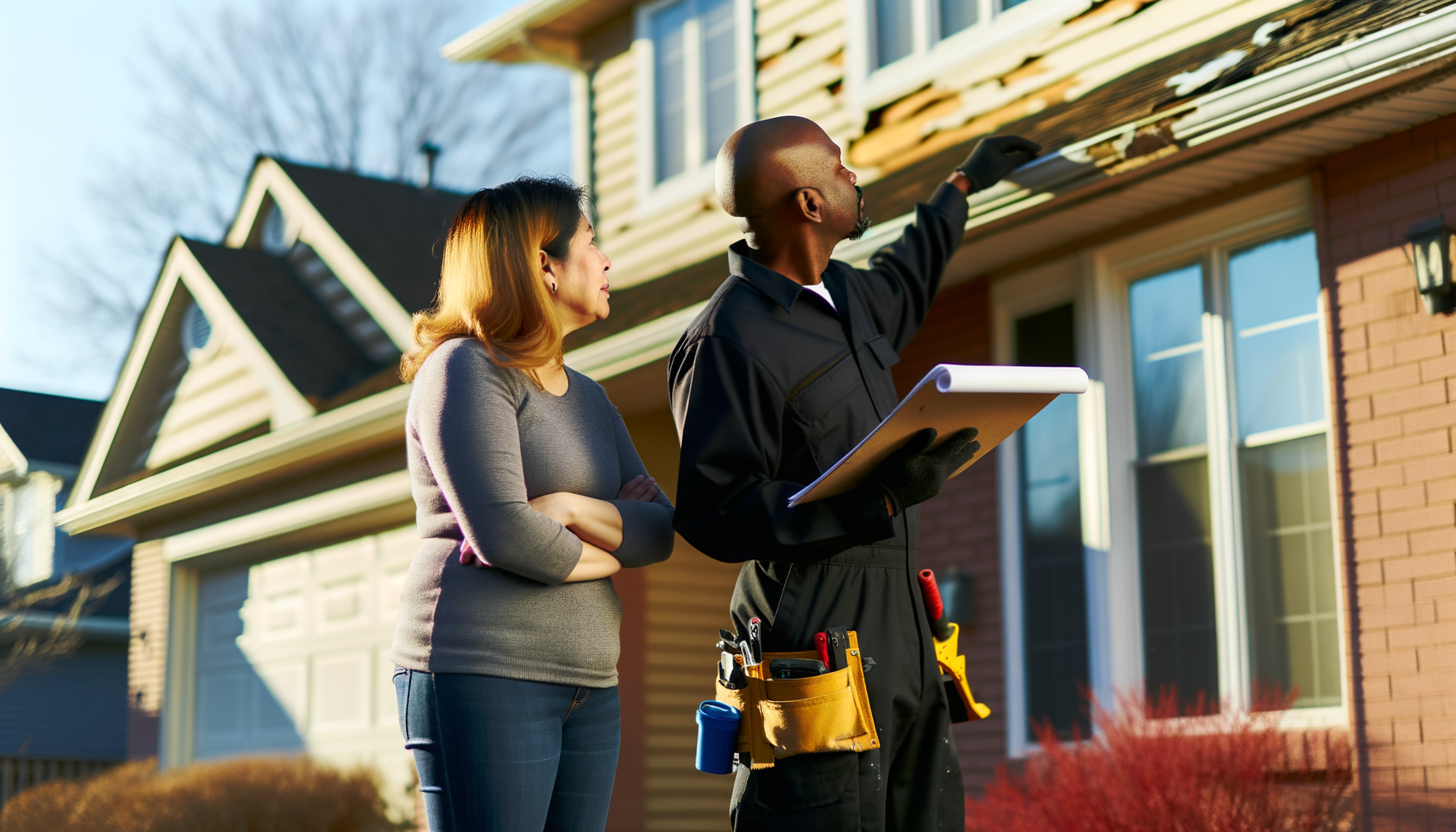
Successful exterior home repair preparation involves securing permits, documenting current conditions, protecting landscaping, clearing access areas, and establishing clear communication protocols with contractors. Proper preparation prevents delays, reduces costs, and ensures quality results for roofing, siding, and exterior renovation projects.
Why Does Preparation Matter for Exterior Projects?
Exterior home repairs are among the most disruptive and expensive projects homeowners undertake. Unlike interior work, exterior projects expose your home to weather, involve heavy equipment, and often require specialized permits. Poor preparation can lead to weather delays, damaged landscaping, permit violations, and unexpected costs that can double your project budget. Smart homeowners understand that the success of their exterior repair project is largely determined before the first tool is picked up. Proper preparation protects your investment, minimizes disruption to your daily life, and ensures contractors can work efficiently. The difference between a smooth exterior renovation and a nightmare scenario often comes down to the groundwork laid in the planning phase.
What Permits and Approvals Do You Need?
Permit requirements vary significantly by location and project scope. Start this process early, as permit approval can take weeks:
- Contact your local building department to determine specific permit requirements for your project type and scope
- Check with your homeowners association (HOA) for architectural review requirements and approval processes
- Verify utility line locations by calling 811 (Dig Safe) at least 48-72 hours before any excavation or structural work
- Obtain written permits before work begins - contractors should never start without proper documentation
- Keep all permit documentation easily accessible for inspector visits throughout the project timeline
How Should You Document Your Home's Current Condition?
Thorough documentation protects you from disputes and insurance issues. Take comprehensive photos of your entire exterior from multiple angles, focusing on areas that won't be directly worked on but could be affected. Document neighboring properties that might be impacted by debris or equipment. Create a written inventory of existing damage, noting dates and causes when possible. This documentation serves multiple purposes: it helps contractors provide accurate estimates, protects you if additional damage is discovered during work, and provides evidence for insurance claims if accidents occur. Store these photos and documents in multiple locations, including cloud storage, and share copies with your contractor and insurance agent.
What Property Protection Steps Are Essential?
Protecting your property and belongings should be a collaborative effort between you and your contractor:
- Remove or securely cover outdoor furniture, grills, and decorative items
- Protect valuable landscaping with tarps or temporary barriers
- Clear gutters and ensure proper drainage away from work areas
- Identify and mark sprinkler heads, buried cables, and other hidden utilities
- Secure loose items that could become projectiles in windy conditions
- Establish designated areas for material storage and debris removal
- Install temporary weather protection if project spans multiple days
How Do You Prepare Your Home's Interior?
Exterior work creates vibrations, dust, and noise that affect your home's interior. Remove valuable items and artwork from walls that share the exterior work area, as hammering and drilling can cause items to fall. Cover furniture and electronics in nearby rooms with plastic sheeting or drop cloths. Inform contractors about alarm systems, as vibrations can trigger motion sensors and door alarms. If your project involves roofing work, consider relocating temporarily stored items from your attic, as workers may need access and materials could be damaged by debris. Plan for noise disruption by scheduling important calls or meetings elsewhere, and inform neighbors about expected noise levels and duration.
What Communication Protocols Should You Establish?
Clear communication prevents misunderstandings and ensures project success:
- Designate a single point of contact from your household to avoid conflicting instructions
- Establish daily check-in times to discuss progress, concerns, and next-day plans
- Create a shared communication method (text, email, or project app) for updates and photos
- Define emergency contact procedures for urgent issues that arise outside business hours
- Set expectations for weather-related delays and how decisions will be communicated
- Agree on change order procedures before any modifications to the original scope
How Should You Prepare for Weather Contingencies?
Weather is the biggest wildcard in exterior projects. Work with your contractor to develop a weather contingency plan that addresses different scenarios. Understand which work can continue in light rain versus heavy weather, and how your home will be protected if storms interrupt the project. Discuss seasonal considerations - some materials perform better when installed in specific temperature ranges, and certain repairs shouldn't be started if severe weather is forecasted. Have backup indoor projects ready if weather delays exterior work, and understand how weather delays affect your timeline and budget. Good contractors will be conservative about weather decisions to protect both your home and the quality of their work.
What Financial Preparations Are Necessary?
Financial planning goes beyond the contract price and helps avoid project delays:
- Set aside an additional 15-20% of project cost for unexpected issues commonly discovered during exterior work
- Understand payment schedules and never pay large amounts upfront - legitimate contractors don't require full payment before starting
- Confirm how change orders will be priced and approved before additional work begins
- Review your homeowners insurance policy to understand coverage during construction and potential claim procedures
- Keep detailed records of all payments, change orders, and project-related expenses for tax and warranty purposes
What Safety Considerations Should You Address?
Exterior repair projects introduce significant safety hazards to your property. Establish clear boundaries where children and pets are not allowed, especially around ladder areas and material storage zones. Understand evacuation routes if emergency situations arise, and ensure contractors know the locations of electrical panels, gas shut-offs, and water mains. Discuss daily cleanup protocols to minimize debris hazards, and establish rules about securing the worksite overnight. If you have elderly family members or individuals with mobility issues, plan alternative entry routes and ensure pathways remain safe and accessible. Good contractors prioritize safety, but homeowners must also take responsibility for household members who aren't part of the work crew.
Frequently Asked Questions
How far in advance should I start preparing for exterior home repairs?
Begin preparation 4-6 weeks before your project start date. This allows time for permit approval, material ordering, weather planning, and thorough contractor vetting without rushing important decisions.
What happens if contractors discover additional problems during exterior repairs?
Additional issues are common in exterior projects. Establish change order procedures upfront, get written estimates for extra work, and maintain your contingency budget for unexpected but necessary repairs.
Should I be present during all exterior repair work?
While you don't need constant supervision, daily check-ins are important. Be available for questions, decision-making, and quality inspections, especially during critical phases like weatherproofing.
How do I protect my landscaping during exterior construction?
Use protective barriers, relocate valuable plants when possible, and establish material staging areas away from gardens. Discuss protection plans with contractors and document pre-existing landscape conditions.
What should I do if weather delays my exterior repair project?
Weather delays are normal for exterior work. Ensure your home is properly protected during delays, maintain communication with contractors, and understand how delays affect your timeline and budget.
How can I verify my contractor has proper insurance before work begins?
Request insurance certificates directly from the insurance company, not just from the contractor. Verify coverage amounts meet your project needs and confirm policies are current and valid.
Find Pre-Vetted Exterior Repair Contractors
Skip the guesswork in finding reliable contractors. Tools like Linked By Six automatically show you which exterior repair specialists your trusted connections have used successfully, giving you confidence before you even make contact.
Proper preparation transforms exterior home repair projects from stressful ordeals into manageable improvements. By securing permits early, protecting your property, establishing clear communication, and planning for contingencies, you create conditions for project success. Remember that the cheapest contractor is rarely the best value - focus on finding professionals who demonstrate thorough preparation practices themselves. Well-prepared homeowners working with quality contractors typically complete exterior projects on time, within budget, and with results that enhance both home value and peace of mind. The time invested in preparation pays dividends throughout your project and for years afterward.