
How to Prepare Before Starting Any Home Project
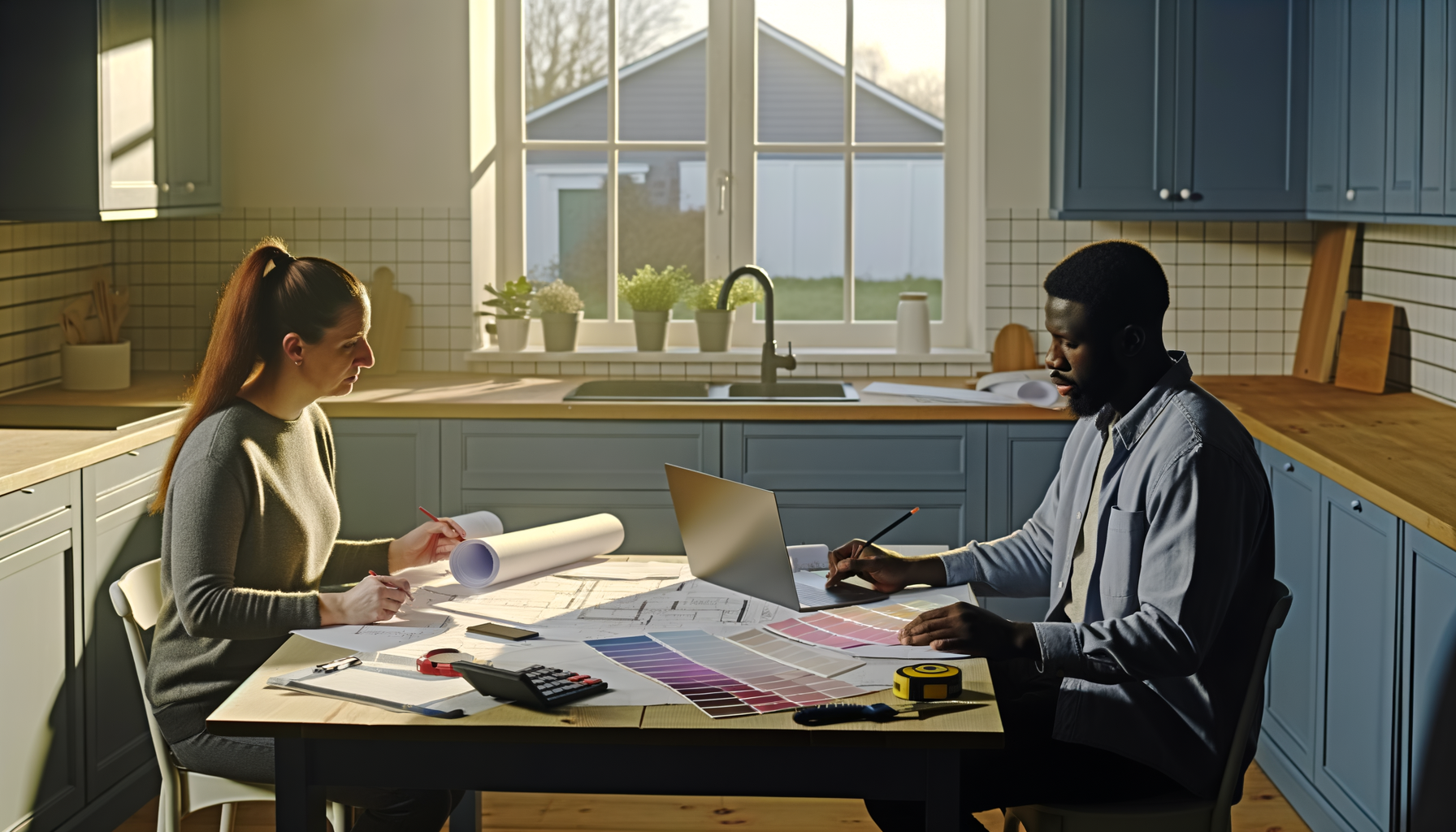
Successful home project preparation involves setting a realistic budget with 20% contingency, researching contractors through personal networks, obtaining necessary permits, creating detailed timelines, and preparing your living space for disruption before any work begins.
Why Does Proper Preparation Make or Break Home Projects?
Home projects that start without proper preparation often become expensive nightmares. Studies show that well-prepared homeowners save an average of 25% on project costs and experience 60% fewer delays. Preparation isn't just about having enough money—it's about understanding every aspect of your project before the first hammer swings. This includes knowing your local building codes, understanding seasonal timing constraints, and having realistic expectations about disruption to your daily life. The most successful projects begin months before any physical work starts, with homeowners who treat preparation as seriously as the renovation itself.
What Are the Essential Steps to Take Before Starting?
Follow these critical preparation steps in order to set your project up for success:
- Define your project scope in writing with specific goals, desired outcomes, and must-have versus nice-to-have features
- Research and document all local permit requirements, HOA restrictions, and building codes that apply to your project
- Create a detailed budget including materials, labor, permits, and a 20% contingency fund for unexpected issues
- Gather personal recommendations for contractors from friends, neighbors, and local community members who've done similar work
- Interview at least three contractors, checking references and verifying licenses and insurance before making decisions
- Establish a realistic timeline that accounts for permit approval, material delivery, weather delays, and inspection schedules
- Prepare your living space by creating alternative arrangements for affected areas and protecting belongings from dust and debris
How Do You Set a Realistic Budget That Actually Works?
Creating a realistic budget requires understanding both visible and hidden costs. Start by getting detailed quotes from multiple contractors, but don't just compare bottom-line numbers. Break down costs by materials, labor, permits, and disposal fees. Research material costs independently so you can spot unrealistic estimates. Always add a 20% contingency fund—experienced homeowners know that every project uncovers something unexpected. Consider financing options early, as some contractors offer better pricing for certain payment arrangements. Remember that the cheapest bid often becomes the most expensive project when corners are cut or problems arise later.
What Questions Should You Ask Potential Contractors?
These essential questions help you evaluate contractors thoroughly:
- Can you provide references from projects completed in the last six months, and may I contact them?
- What specific permits will this project require, and who handles the application process?
- How do you handle unexpected issues or changes to the original scope of work?
- What is your typical timeline for this type of project, and what factors could cause delays?
- Do you carry both liability insurance and workers' compensation, and can you provide proof?
- How do you protect the rest of my home during construction, and who handles cleanup?
- What warranties do you offer on workmanship, and how do you handle callbacks?
- Can you walk me through your typical communication process during the project?
When Should You Start the Permit Process?
Permit applications should begin 4-8 weeks before your planned start date, depending on your local jurisdiction's processing times. Many homeowners underestimate permit complexity and find themselves waiting months for approval. Start by contacting your local building department to understand exactly what permits your project requires. Some work that seems simple may require multiple permits—for example, a bathroom renovation might need separate permits for plumbing, electrical, and structural changes. Factor permit costs into your budget early, as fees can range from hundreds to thousands of dollars depending on project scope.
What Should Your Pre-Project Checklist Include?
Use this comprehensive checklist to ensure nothing gets overlooked:
- Project scope defined in writing with specific goals and deliverables
- Budget created with 20% contingency fund and financing arranged
- At least three contractor quotes obtained and references checked
- All necessary permits identified and applications submitted
- Timeline established with buffer time for delays and inspections
- Material selections made and delivery schedules confirmed
- Living arrangements planned for affected areas of the home
- Neighbors notified about upcoming construction and potential disruption
- Utilities marked and any necessary disconnections scheduled
- Insurance coverage reviewed and updated if necessary
- Contract signed with clear scope, timeline, and payment schedule
- Emergency funds available beyond the project budget
How Do You Prepare Your Home and Family for Construction?
Physical and emotional preparation is just as important as financial planning. Create alternative living arrangements for affected areas—if you're renovating a kitchen, set up a temporary cooking space with a microwave, mini-fridge, and basic supplies. Protect your belongings by moving valuable or fragile items far from the work area. Establish clear boundaries about which areas contractors can access and where they should park. Discuss the project timeline with family members, especially children, so everyone understands what to expect. Consider the impact on pets, who may need alternative arrangements during noisy or dangerous phases of work.
The best advice I give homeowners is to prepare for your project to take 50% longer and cost 20% more than estimated. When you plan for problems, you're rarely disappointed and often pleasantly surprised.
Mike Torres, General Contractor with 18 years experience
What Seasonal Factors Should Influence Your Timeline?
Timing can dramatically impact your project's success and cost. Exterior work is best scheduled during mild weather months, while interior projects can happen year-round but may cost more during peak seasons. Spring and summer see higher contractor rates and longer booking times, but weather delays are less likely. Fall can offer good contractor availability, but projects must finish before winter weather arrives. Winter indoor projects may get better pricing, but holiday schedules can cause delays. Consider how seasonal factors affect material costs too—lumber prices often fluctuate seasonally, and some specialty materials may have longer delivery times during peak building seasons.
What Are the Most Common Preparation Mistakes to Avoid?
Learn from these frequent preparation errors that derail projects:
- Underestimating the total project timeline and not planning for delays or complications
- Choosing contractors based solely on price without checking references or credentials
- Starting work without proper permits or assuming they're not needed for smaller projects
- Failing to plan for dust, noise, and disruption to daily routines and family life
- Not having a contingency fund for unexpected issues that inevitably arise during construction
- Making material selections too late in the process, causing delays when items aren't available
- Poor communication with family members about project expectations and temporary living arrangements
Frequently Asked Questions
How far in advance should I start planning my home project?
Start planning 3-6 months before your desired start date. This allows time for contractor research, permit applications, material selection, and scheduling. Complex projects requiring multiple trades may need even longer lead times.
What percentage of my budget should I set aside for unexpected costs?
Always budget at least 20% above your estimated project costs for contingencies. Older homes or complex projects may require 25-30% contingency funds as hidden issues are more likely to emerge.
Do I really need permits for small home improvement projects?
Many seemingly small projects require permits, especially those involving electrical, plumbing, or structural changes. Contact your local building department early to understand requirements and avoid costly corrections later.
How do I find trustworthy contractors in my area?
Start by asking friends, neighbors, and coworkers for recommendations from recent projects. Local community groups and neighborhood associations are also excellent sources for contractor referrals based on actual experiences.
What should I do if my project uncovers unexpected problems?
Stop work immediately and assess the situation with your contractor. Document the issue with photos, get written estimates for additional work needed, and check if your contingency fund covers the extra costs.
How can I minimize disruption to my family during construction?
Plan alternative arrangements for affected areas, establish clear work hours with contractors, create dust barriers, and prepare family members with realistic expectations about noise, mess, and timeline changes.
Start Building Your Contractor Network
Before searching online directories, reach out to three people you trust who have completed similar home projects. Ask specific questions about their contractor's communication, timeliness, and quality of work.
Successful home projects don't happen by accident—they're the result of thorough preparation and realistic planning. By taking time to properly budget, research contractors through your personal network, understand permit requirements, and prepare your family for construction disruption, you set yourself up for a positive experience. Remember that the contractors who come most highly recommended by people you trust are often worth waiting for and paying slightly more to work with. The relationships you build during your project preparation will serve you well not just during construction, but for future maintenance and improvement needs. Start your preparation early, plan for contingencies, and approach your project as a marathon rather than a sprint.