
Essential Documents to Organize Before Selling Your Home
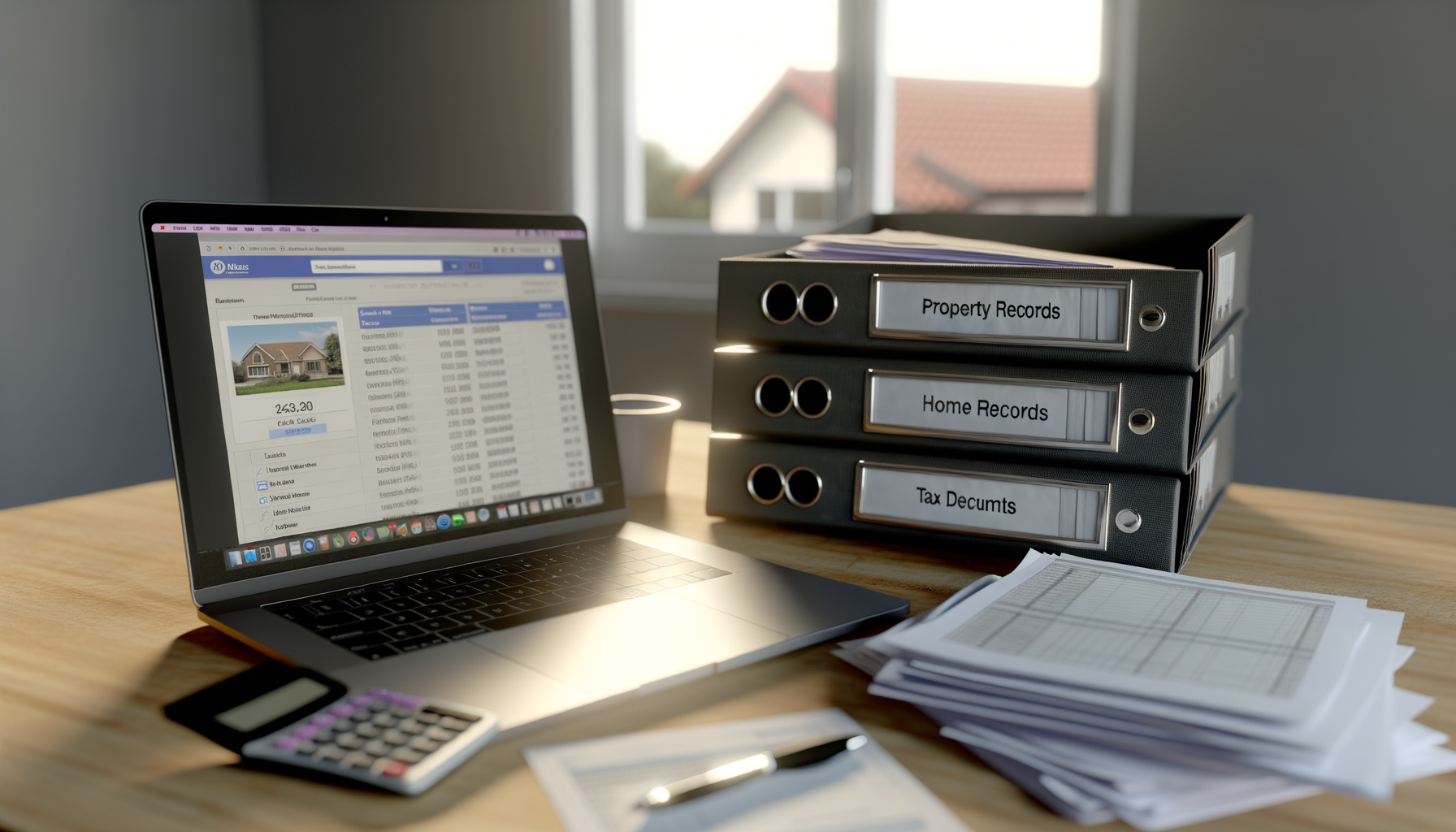
Sellers should organize property deeds, tax records, inspection reports, HOA documents, utility bills, and improvement receipts before listing. Having these documents ready accelerates the sale process and builds buyer confidence from day one.
Why Does Document Organization Matter Before Listing?
Proper document organization before listing your home isn't just about being prepared—it's about creating a competitive advantage. When buyers and their agents see that you have all documentation readily available, it signals professionalism and transparency. This preparation can reduce the time your home spends on the market and minimize delays during the closing process. Real estate transactions involve multiple parties reviewing various aspects of your property, from the physical condition to the legal ownership history. Having documents organized upfront prevents last-minute scrambles that could derail negotiations or extend closing timelines. Additionally, organized sellers often discover important details about their property that can be highlighted as selling points, such as recent upgrades or energy-efficient improvements that add value.
What Legal Documents Must You Gather First?
Start with the fundamental legal documents that prove ownership and reveal any encumbrances:
- Property deed showing clear title and ownership history
- Mortgage statements and payoff information from all lenders
- Property tax records for the past 2-3 years showing current status
- Homeowners insurance policy details and claims history
- HOA documents including bylaws, fees, and any violations or liens
- Survey documents showing exact property boundaries and easements
- Any liens, judgments, or legal disputes affecting the property
Which Property Records Should You Compile?
Property records tell the story of your home's condition and maintenance history. Gather all inspection reports from when you purchased the home, plus any subsequent inspections for specific systems like HVAC, roofing, or electrical work. Include certificates for major systems installations or replacements, such as furnace, water heater, or roof work. If you've had any pest control treatments or environmental testing (radon, mold, lead paint), include those reports as well. Utility bills from the past year help buyers understand ongoing costs, while energy efficiency certificates or utility rebate documentation can highlight cost-saving features. Property appraisals from recent years provide valuable context for pricing discussions. Don't forget permits and inspection certificates for any renovations or additions—buyers want assurance that work was done legally and to code.
What Financial Information Do Buyers Need?
Financial transparency builds trust and expedites the transaction process:
- Recent property tax bills and assessment information
- Utility costs for the past 12 months (electric, gas, water, sewer)
- HOA fees and special assessments if applicable
- Home warranty information and transferability details
- Receipts for major improvements and renovations
- Energy efficiency upgrade documentation and rebates received
- Insurance claims history and any ongoing coverage issues
How Should You Document Home Improvements and Repairs?
Home improvements can significantly impact your property value, but only if you can prove they were completed professionally and legally. Organize receipts chronologically, starting with the most recent work. Include contractor information, permits pulled, inspection certificates, and warranty details for each project. Before and after photos help buyers visualize the transformation and quality of work. For DIY projects, gather receipts for materials and any professional consultations you received. Energy-efficient improvements deserve special attention—collect utility rebate paperwork, Energy Star certificates, and documentation of any green building certifications. If you've addressed any major issues like foundation work, electrical upgrades, or plumbing replacements, ensure you have complete documentation including permits and final inspection approvals. This information not only justifies your asking price but also provides buyers with confidence about the property's condition.
What Maintenance Records Should You Keep Available?
Regular maintenance records demonstrate responsible homeownership and help buyers plan future expenses:
- HVAC service records including filter changes and annual tune-ups
- Plumbing maintenance including drain cleaning and fixture repairs
- Roof inspections and any repair or maintenance work performed
- Appliance manuals, warranties, and service history
- Landscaping and lawn care records including tree trimming and treatments
- Pest control service records and any ongoing treatment plans
- Pool or spa maintenance records if applicable
How Do You Handle Missing or Lost Documents?
Don't panic if you're missing some documents—most can be replaced or obtained from official sources. Contact your county recorder's office for copies of deeds, liens, or other recorded documents. Tax assessor's offices can provide property tax history and assessment records. Your mortgage lender can supply loan documents and payoff statements. For utility records, contact each service provider directly—most maintain several years of billing history. If you're missing permits for past work, check with your local building department, as they maintain permanent records of all permitted work. For insurance documents, contact your current and previous insurance companies. HOA documents can be obtained from the homeowners association or management company. While gathering replacement documents takes time, starting this process early in your selling preparation ensures you won't face delays when buyers start making requests during due diligence.
What Technology Can Streamline Document Organization?
Modern technology can significantly simplify document management for home sellers. Cloud storage services like Google Drive, Dropbox, or iCloud allow you to create organized folders that can be easily shared with your real estate agent and potential buyers. Document scanning apps on your smartphone can quickly digitize paper records with clear, searchable images. Consider using real estate-specific platforms that many agents provide—these often include secure portals where you can upload documents that automatically organize by category. Spreadsheet applications help track improvement costs, maintenance schedules, and warranty expiration dates. Some sellers find property management apps useful for maintaining ongoing records even before deciding to sell. Digital organization not only makes information more accessible but also provides backup copies in case physical documents are lost. When buyers or their agents request specific information, you can respond immediately rather than spending time searching through file cabinets.
How Should You Present Information to Potential Buyers?
Strategic presentation of your organized information can enhance your property's appeal:
- Create a property information binder with clearly tabbed sections for easy navigation
- Prepare a one-page property summary highlighting key features, improvements, and costs
- Include a timeline of major improvements and maintenance milestones
- Provide digital access to detailed documents while keeping summary sheets readily available
- Highlight energy efficiency features and associated cost savings with supporting documentation
- Present warranty information in an organized transfer packet for new owners
Frequently Asked Questions
Do I need to organize documents before choosing a real estate agent?
Yes, having documents organized helps you interview agents more effectively and allows them to price your home accurately from the start. Prepared sellers often receive better service and marketing strategies.
What happens if buyers find undisclosed issues during inspection?
Undisclosed issues can lead to price negotiations, repair demands, or deal cancellation. Proper documentation and disclosure protect you legally and maintain buyer confidence throughout the transaction.
How far back should maintenance and improvement records go?
Keep records for major improvements as long as you own the home, and maintenance records for at least 3-5 years. Recent records are most relevant to buyers for ongoing costs and warranty coverage.
Should I include receipts for minor repairs and maintenance?
Include receipts for anything over $500 or items that affect safety and functionality. Minor cosmetic repairs may not need documentation unless they're part of preparing the home for sale.
Can missing documents delay or prevent my home sale?
Missing critical documents like clear title or required disclosures can delay closing. However, most documents can be obtained from official sources with adequate time and planning.
What digital format works best for sharing documents with buyers?
PDF format works best for sharing as it preserves formatting and prevents accidental editing. Organize files in clearly labeled folders and ensure file names are descriptive and professional.
Find Trusted Real Estate Professionals
Ready to sell but need the right real estate agent? Instead of wondering who to trust with your biggest financial transaction, see which agents your friends and colleagues have successfully worked with. Tools like Linked By Six automatically show you real estate professionals in your area who are already trusted by people in your network—giving you confidence before you even make contact.
Organizing your information before listing your home is an investment in a smoother, faster sale. While the process requires upfront effort, having documents readily available demonstrates professionalism, builds buyer confidence, and prevents delays that could cost you money or derail negotiations. Start gathering documents early in your selling timeline, create both physical and digital organization systems, and don't hesitate to obtain replacements for missing paperwork. Remember that transparency and thorough documentation protect you legally while showcasing your home's value and your commitment as a responsible homeowner. With proper preparation, you'll be ready to respond quickly to buyer inquiries and move confidently through the closing process.