
How to Find a Plumber You Can Actually Trust
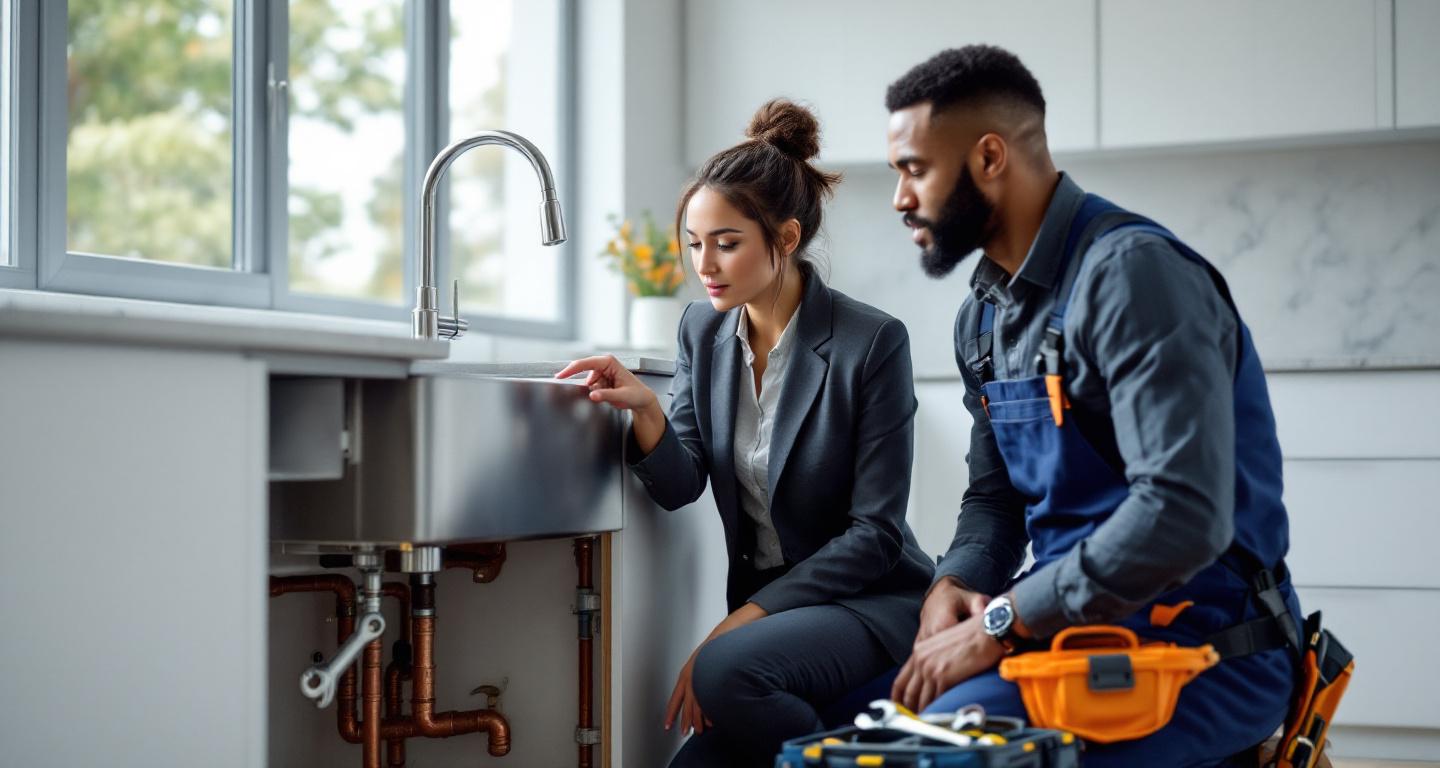
Finding a trustworthy plumber requires tapping into personal networks for recommendations, verifying licenses and insurance, checking references from recent jobs, and establishing relationships before emergencies occur. The most reliable plumbers come through connections who've experienced their work firsthand.
Why Do Personal Recommendations Matter Most for Plumbers?
When your pipes burst at midnight or your water heater fails on a weekend, you need more than a good Google review—you need someone you can trust in your home during a vulnerable moment. Personal recommendations carry weight because they come with context that anonymous reviews can't provide. A colleague who recommends their plumber isn't just vouching for technical skills; they're confirming reliability, fair pricing, cleanliness, and respect for your property. They've seen the plumber's work hold up over time and witnessed their professionalism firsthand. This accountability factor makes personal networks invaluable—people stake their reputation on recommendations they give to friends and family. Your extended network holds these golden connections, often reaching professionals you'd never find through traditional search methods.
What Red Flags Should You Watch For When Vetting Plumbers?
Recognizing warning signs early can save you from costly mistakes, property damage, and safety hazards:
- Door-to-door solicitation or high-pressure sales tactics demanding immediate decisions
- Requests for full payment upfront or unusually high deposits before work begins
- No valid business license, insurance documentation, or reluctance to provide credentials
- Quotes significantly higher or lower than other estimates without clear explanation
- Unable or unwilling to provide local references from recent jobs within the past year
- No written estimates or contracts, preferring handshake deals or verbal agreements
- Aggressive marketing claims like 'limited time offers' for routine plumbing work
- Poor communication, arriving late without notice, or unprofessional appearance and equipment
How Do You Verify a Plumber's Credentials and Experience?
Proper credentialing separates legitimate professionals from unlicensed operators who could leave you with bigger problems than you started with. Every state requires plumbers to hold valid licenses, and most require insurance coverage for property damage and worker injury protection. Ask to see these documents and verify them through your state's licensing board website—legitimate plumbers expect this and readily provide documentation. Experience matters differently for different jobs: a simple faucet repair might suit a newer plumber, while major pipe replacement or gas line work demands seasoned expertise. Ask about their specific experience with your type of problem and request references from similar recent jobs. Master plumbers often oversee apprentices, so clarify who will actually perform your work and their qualification level.
What's the Step-by-Step Process for Comparing Multiple Plumbers?
A systematic comparison process helps you make confident decisions and avoid rushed choices:
- Contact at least three plumbers for estimates, providing identical problem descriptions and access requirements to each
- Schedule in-person evaluations when possible, as phone estimates often lack accuracy for plumbing issues
- Request detailed written estimates breaking down labor, materials, and any additional fees or potential complications
- Ask each plumber to explain their diagnostic process and why they recommend their specific solution approach
- Verify licenses, insurance, and Better Business Bureau ratings for each candidate during the evaluation period
- Contact provided references, asking specifically about work quality, timeliness, cleanliness, and final pricing accuracy
- Compare not just total costs but value factors like warranty terms, material quality, and estimated project timeline
- Make your decision based on the combination of credentials, references, communication quality, and reasonable pricing
How Can You Prepare for Plumbing Emergencies Before They Happen?
Emergency preparation transforms crisis situations into manageable inconveniences. Start by identifying and establishing relationships with quality plumbers during non-emergency periods when you can properly vet candidates and negotiate fair rates. Many reputable plumbers offer maintenance services or minor repairs that let you evaluate their work quality and professionalism before major problems arise. Learn the location of your main water shutoff valve and how to operate it—this single skill can prevent thousands in water damage while you wait for professional help. Keep a basic toolkit handy with pipe tape, plungers, and pipe wrenches for minor issues you can safely handle yourself. Document your plumbing system with photos of pipe layouts, model numbers on major fixtures, and maintenance records that help plumbers diagnose problems more efficiently.
What Questions Should You Ask Before Hiring Any Plumber?
Use this checklist to ensure you've covered all essential bases before making your decision:
- Are you licensed and insured in this state, and can I see current documentation?
- What is your experience with this specific type of plumbing problem or installation?
- Can you provide three recent references from similar jobs I can contact?
- What is included in your written estimate, and what additional costs might arise?
- What warranty or guarantee do you provide on labor and materials?
- How do you handle unexpected complications or additional work discoveries?
- What is your typical timeline for this type of project from start to completion?
- Do you clean up work areas and dispose of old materials as part of your service?
Why Is Building Long-Term Relationships With Plumbers Worth the Investment?
Plumbing problems rarely occur at convenient times, and having an established relationship with a trusted professional provides peace of mind that extends far beyond individual repairs. Plumbers who know your home's unique characteristics, from older pipe materials to quirky fixture installations, can diagnose problems faster and provide more accurate solutions. They understand your preferences for materials and budget constraints, leading to recommendations that truly fit your needs rather than one-size-fits-all approaches. Long-term relationships often include priority scheduling during emergencies, better rates for repeat customers, and honest advice about when repairs make sense versus replacement investments. These plumbers become partners in maintaining your home's value and your family's comfort, providing expertise that prevents small issues from becoming major expenses.
What Should You Expect During Professional Plumbing Service Calls?
Professional plumbing service follows predictable patterns that help you distinguish quality providers from substandard operators. Legitimate plumbers arrive in marked vehicles with proper equipment and wear identifiable uniforms or clothing. They provide upfront pricing information and explain diagnostic processes before beginning work, never starting expensive repairs without your explicit approval. Quality plumbers protect your property with drop cloths, shoe covers, or work mats, and they clean up thoroughly after completing jobs. They explain what they've done, show you replaced parts when relevant, and provide care instructions for new installations. Professional service includes written invoices with clear breakdowns, warranty information, and contact details for follow-up questions or concerns. These standards aren't luxuries—they're hallmarks of legitimate businesses that stand behind their work and respect customer relationships.
Frequently Asked Questions
How much should I expect to pay for common plumbing repairs?
Simple repairs like unclogging drains cost $100-200, while faucet replacements range $150-300. Water heater installations typically cost $800-1,500, and major pipe repairs can reach $1,000-3,000 depending on accessibility and materials required.
Should I get multiple estimates for plumbing work?
Yes, get at least three estimates for any job over $500. This helps you understand fair market pricing, compare different solution approaches, and identify unusually high or suspiciously low bids that might indicate problems.
What's the difference between a licensed plumber and a handyman for plumbing work?
Licensed plumbers have specialized training, insurance, and legal authorization to perform all plumbing work including gas lines and major installations. Handymen can handle minor repairs but lack credentials for complex or potentially dangerous plumbing systems.
How quickly should a plumber respond to emergency calls?
Most professional plumbers offer emergency services within 2-4 hours for true emergencies like burst pipes or gas leaks. Non-emergency urgent calls typically receive same-day or next-day service depending on scheduling availability.
Is it safe to hire the cheapest plumber I can find?
Extremely low bids often indicate unlicensed workers, poor-quality materials, or hidden costs that emerge later. Focus on reasonable pricing from properly licensed, insured plumbers rather than simply choosing the lowest estimate.
What plumbing problems should I never attempt to fix myself?
Never attempt gas line work, major pipe replacements, sewer line repairs, or water heater installations yourself. These require specialized knowledge and tools, and mistakes can cause serious property damage, injuries, or code violations.
Find Your Trusted Plumber Through Your Network
Skip the guesswork and connect with plumbers your friends and colleagues already trust. Tools like Linked By Six automatically show you which local professionals have earned recommendations from people in your network—giving you confidence before the search even begins.
Finding a trustworthy plumber comes down to leveraging the collective wisdom of people who've already navigated these decisions successfully. Your extended network holds valuable connections to reliable professionals who've proven themselves through real work and satisfied customers. By preparing ahead of emergencies, understanding proper vetting processes, and focusing on building long-term relationships rather than one-time transactions, you transform plumbing problems from stressful crises into manageable maintenance issues. Remember that the cheapest option rarely delivers the best value—invest in properly licensed, insured professionals who treat your home with respect and stand behind their work with solid warranties and ongoing support.