
How to Find a Trusted Plumber for Recurring Home Needs
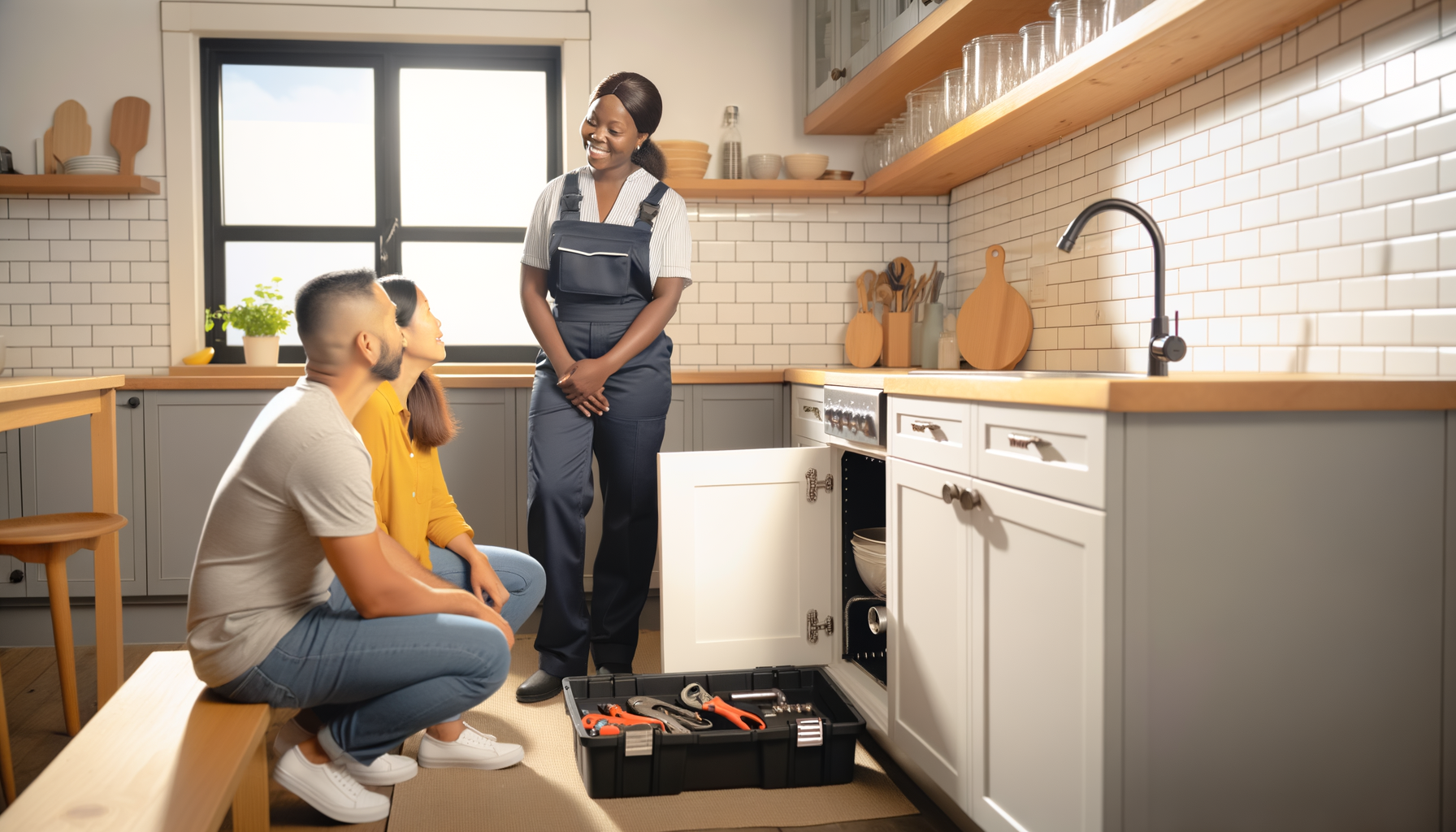
Start by asking neighbors, friends, and local community groups for plumber recommendations. Look for licensed professionals with consistent availability, transparent pricing, and strong communication skills. Focus on building relationships with plumbers who prioritize long-term service over quick fixes.
Why Do Personal Recommendations Matter Most for Plumbing Services?
When your pipes burst at midnight or your water heater fails on a holiday weekend, you need a plumber you can trust completely. Personal recommendations from people in your network carry far more weight than anonymous online reviews because they come from real experiences with real consequences. Your neighbor who recommends their plumber has actually lived with the results of that work for months or years. They know if the repairs held up, if the plumber showed up when promised, and if the pricing was fair. This firsthand knowledge from trusted sources eliminates much of the guesswork and risk involved in choosing service providers for your most critical home systems.
Where Should You Look for Plumber Recommendations?
Cast a wide net through your personal and professional networks to gather multiple perspectives:
- Immediate neighbors who share similar home ages and plumbing systems
- Local community groups, neighborhood associations, and social media groups
- Colleagues who live in your area and have dealt with similar plumbing issues
- Other service providers you trust, like electricians, HVAC technicians, or contractors
- Local hardware store employees who interact with area plumbers regularly
- Real estate agents who work in your neighborhood and see various service quality
- Property managers who oversee multiple properties and need reliable plumbers
How Do You Evaluate Plumber Credentials and Qualifications?
Before hiring any plumber, verify these essential credentials through official channels:
- Check their license status through your state's licensing board website - never take their word alone
- Verify current insurance coverage by requesting certificates from their insurance company
- Look up their business registration and Better Business Bureau rating for complaint history
- Ask about ongoing education and certifications in modern plumbing technologies
- Confirm they pull proper permits for significant work and understand local codes
- Request and contact at least three recent customers who had similar work performed
What Questions Should You Ask Potential Plumbers?
Use this checklist during your initial conversations to assess each candidate:
- How long have you been serving this specific area?
- What is your typical response time for emergency calls?
- Do you provide written estimates before starting work?
- How do you handle unexpected complications or cost overruns?
- What warranties do you offer on parts and labor?
- Can you provide references from customers with similar plumbing systems?
- What ongoing maintenance services do you recommend?
- How do you stay current with new plumbing technologies and codes?
How Important Is Local Knowledge in Plumber Selection?
Local expertise makes a tremendous difference in plumbing services. Plumbers familiar with your area understand regional water quality issues, common pipe materials used in different neighborhood developments, and local building codes that affect repairs and installations. They know which suppliers provide the best parts and fastest service, reducing your wait times and costs. Local plumbers also have established relationships with permit offices and inspectors, streamlining any required approvals. Perhaps most importantly, they depend on their local reputation for ongoing business, making them more invested in quality work and customer satisfaction. A plumber who lives and works in your community has skin in the game that distant contractors simply don't have.
What Should You Expect During the Initial Service Call?
Professional plumbers demonstrate their competence through specific behaviors and practices:
- Arrive within the promised time window and call if delays occur
- Wear identifiable uniforms or clothing and carry proper identification
- Use protective coverings to avoid damage to your floors and furnishings
- Thoroughly diagnose problems before proposing solutions
- Explain issues in understandable terms and show you the problem areas
- Provide written estimates with detailed breakdowns of labor and materials
- Discuss multiple solution options when applicable, from basic fixes to comprehensive upgrades
How Do You Build a Long-Term Relationship with Your Plumber?
The best plumbing relationships develop over time through consistent positive interactions. Start by scheduling routine maintenance visits even when nothing seems wrong - this allows your plumber to become familiar with your system and catch small issues before they become expensive emergencies. Pay promptly and treat them professionally, remembering that skilled tradespeople have many customer options. Provide feedback on their work and refer them to others when they perform well. Keep their contact information easily accessible and communicate clearly about your preferences for appointment scheduling and service approaches. Many experienced homeowners find that maintaining relationships with two trusted plumbers provides backup coverage and competitive pricing while ensuring someone is always available when problems arise.
How Should You Handle Emergency Plumbing Situations?
When plumbing emergencies strike, having a plan helps you make better decisions under pressure:
- Know your main water shutoff location and how to operate it before emergencies occur
- Keep your trusted plumber's emergency contact information in an easily accessible location
- Take photos of the problem if possible before calling - visual information helps with diagnosis
- Be prepared to pay premium rates for after-hours or weekend emergency service calls
- If your regular plumber isn't available, ask them for referrals to trusted colleagues
- Document all emergency work for insurance claims and future reference
What Role Does Pricing Play in Plumber Selection?
While cost matters, focusing solely on the lowest bid often leads to problems and higher long-term expenses. Quality plumbers invest in proper licensing, insurance, tools, and ongoing education - costs reflected in their pricing. Instead of choosing the cheapest option, look for transparent pricing that includes detailed explanations of labor and material costs. Ask about different service tiers, such as basic repairs versus comprehensive solutions that address underlying issues. Many homeowners find that paying slightly more for thorough work and strong warranties saves money over time by avoiding repeat calls and additional repairs. Remember that emergency service calls always cost more than planned maintenance, making preventive relationships with quality plumbers a smart financial strategy.
How Do You Know When It's Time to Find a New Plumber?
Even good plumber relationships sometimes need to end. Warning signs include consistently poor communication, repeated problems with the same repairs, pricing that becomes unreasonable compared to market rates, or availability issues that leave you without service when needed. If your plumber starts suggesting expensive solutions for simple problems or seems to lack knowledge about newer technologies affecting your home, it may be time for a change. However, don't make hasty decisions based on single incidents - discuss concerns directly first, as many issues can be resolved through honest conversation. When you do decide to make a change, use the same network-based approach that helped you find your original plumber, but with the benefit of now knowing exactly what qualities and services matter most to you.
Frequently Asked Questions
How can I verify a plumber's license and insurance?
Check your state licensing board website for current license status and request insurance certificates directly from their insurance company. Never rely solely on verbal claims or photocopied documents that could be outdated or falsified.
What's a reasonable response time for plumbing emergencies?
Most professional plumbers offer 2-4 hour response times for true emergencies during business hours, with longer times expected for nights and weekends. Establish expectations upfront when building your plumber relationship.
Should I get multiple quotes for plumbing work?
For major projects over $500, getting 2-3 quotes helps ensure fair pricing and comprehensive solutions. For routine repairs, trusted plumber relationships often provide better value than constantly shopping around.
How often should I schedule preventive plumbing maintenance?
Annual inspections work well for most homes, with older properties or those with previous issues benefiting from bi-annual check-ups. Regular maintenance prevents emergencies and extends system life significantly.
What's the difference between a plumber and a plumbing contractor?
Plumbers focus on repair and maintenance work, while plumbing contractors typically handle larger installation projects and renovations. Many professionals offer both services, but confirm their expertise matches your specific needs.
How much should I expect to pay for common plumbing services?
Service calls typically range from $100-200, with hourly rates between $75-150 depending on your area. Emergency and after-hours service usually costs 1.5-2 times normal rates. Always request estimates before work begins.
Start Building Your Plumber Network
Before your next plumbing issue arises, reach out to three neighbors or colleagues this week and ask who they trust for plumbing services. Building these referral relationships now will save you stress and money when problems occur.
Finding a trusted plumber for your home's recurring needs requires patience and relationship-building, but the investment pays dividends in reliable service, fair pricing, and peace of mind. Start with personal recommendations from your network, verify credentials thoroughly, and focus on building long-term relationships rather than seeking the cheapest quick fixes. Remember that the best plumbers are often discovered through word-of-mouth referrals from people who have lived with the results of their work. Take time to establish these professional relationships before emergencies strike, and you'll have reliable experts ready when your home's plumbing systems need attention.