
How to Find a Mold Remediation Specialist You Can Trust
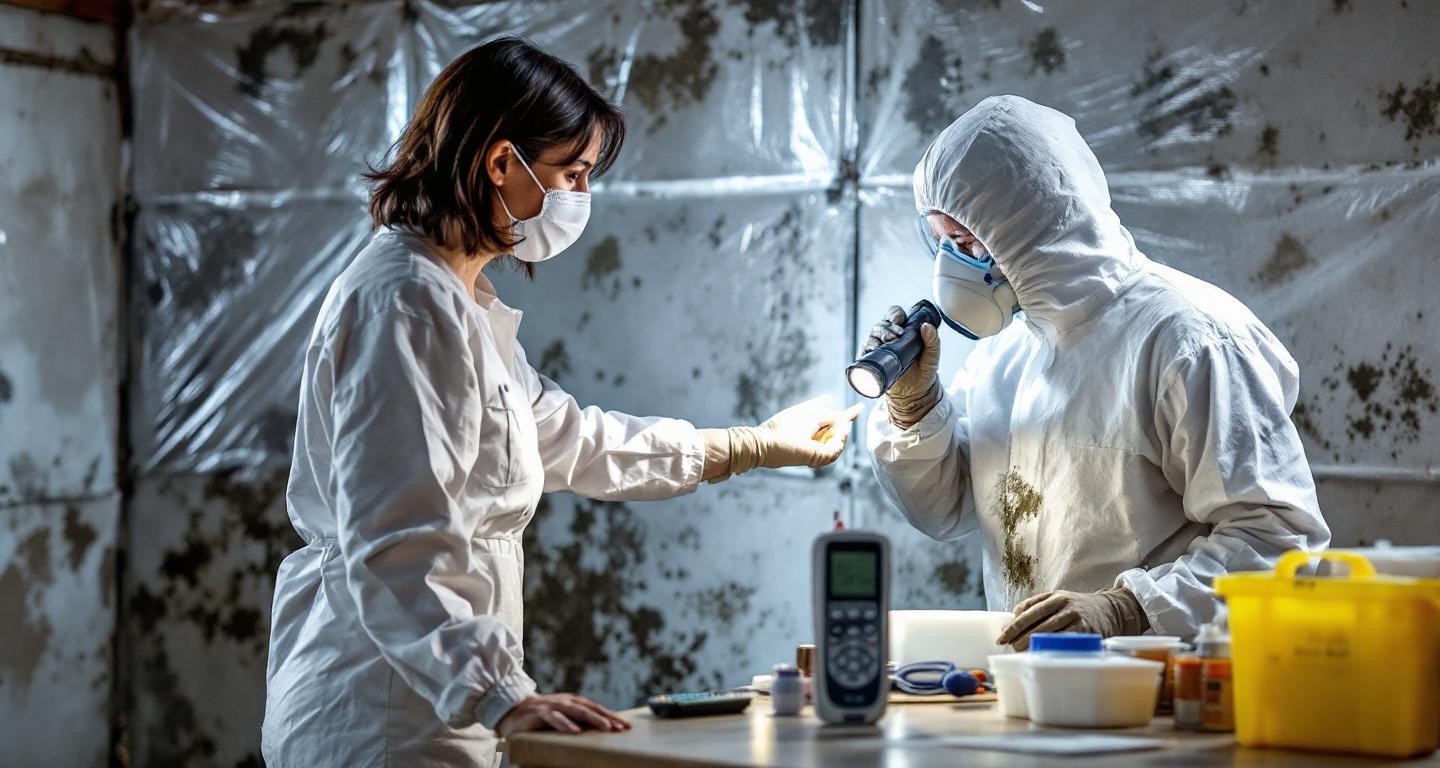
Find a qualified mold remediation specialist by verifying certifications from IICRC or NORMI, checking licensing and insurance, requesting detailed written estimates, and confirming they follow EPA protocols. Avoid companies that offer free inspections then push expensive remediation services.
What Certifications Should a Mold Remediation Specialist Have?
Professional mold remediation requires specialized training and certification. The most respected certifications come from the Institute of Inspection, Cleaning and Restoration Certification (IICRC) and the National Organization of Remediators and Mold Inspectors (NORMI). IICRC-certified specialists have completed rigorous coursework covering mold biology, containment procedures, and safe removal techniques. NORMI certification focuses specifically on mold inspection and remediation protocols. These certifications aren't just paperwork—they represent hundreds of hours of training in proper safety procedures, industry standards, and the latest remediation technologies. A certified specialist understands how to prevent cross-contamination, properly contain affected areas, and ensure complete removal without spreading spores to clean areas of your home.
What Questions Should You Ask Before Hiring?
The right questions can reveal a specialist's experience and professionalism:
- Can you provide proof of current licensing, insurance, and certifications?
- Will you provide a detailed written estimate with specific scope of work?
- Do you follow EPA and IICRC S520 standards for mold remediation?
- How will you contain the affected area to prevent cross-contamination?
- What type of air filtration equipment will you use during remediation?
- Will you provide before and after photos of the remediation process?
- Do you offer any warranty or guarantee on your remediation work?
- Can you provide references from recent mold remediation projects?
Why Is Proper Licensing and Insurance Critical?
Mold remediation involves significant health and property risks, making proper licensing and insurance non-negotiable. Many states require specific licensing for mold remediation work, and operating without proper credentials is often illegal. More importantly, licensed specialists have demonstrated knowledge of local building codes, safety regulations, and proper disposal methods for contaminated materials. Comprehensive general liability and workers' compensation insurance protects you from financial responsibility if workers are injured or your property is damaged during remediation. Always verify insurance directly with the carrier—certificates can be forged. A reputable specialist will gladly provide insurance information and understand why you're verifying it. Companies that hesitate or make excuses about insurance documentation should be avoided entirely.
How Should You Evaluate Written Estimates?
A professional estimate reveals the quality of work you can expect:
- Detailed scope of work describing exactly what will be removed, cleaned, or treated
- Specific containment procedures including negative air pressure and barrier installation
- List of equipment to be used, including air scrubbers, dehumidifiers, and HEPA filtration
- Timeline for completion with milestones for different phases of work
- Clear pricing breakdown separating labor, materials, equipment rental, and disposal costs
- References to industry standards like EPA guidelines and IICRC S520 protocols
- Post-remediation verification procedures including air quality testing options
What Equipment and Methods Should They Use?
Professional mold remediation requires specialized equipment and proven methods. Proper containment is essential—look for specialists who use plastic sheeting barriers, negative air machines, and HEPA filtration to prevent spore spread. Air scrubbers with HEPA filters should run continuously during remediation to capture airborne particles. Antimicrobial treatments may be necessary for porous materials that can't be removed. The specialist should explain their drying strategy, as moisture control is crucial for preventing mold return. Professional-grade dehumidifiers and air movers should be used to thoroughly dry affected areas. Be wary of companies that rely primarily on sprays or foggers without addressing moisture sources—these approaches often provide only temporary solutions while underlying problems persist.
What Red Flags Should You Watch For?
Certain warning signs indicate you should look elsewhere:
- Door-to-door solicitation or high-pressure sales tactics
- Demands for full payment upfront before work begins
- Vague estimates without specific scope or pricing details
- Claims they can kill mold with special sprays without removal
- Inability to provide current licensing, certification, or insurance documentation
- Combining inspection and remediation services under one contract
- Guarantees that mold will never return regardless of moisture conditions
How Important Is Local Experience and Reputation?
Local experience matters significantly in mold remediation because climate, building types, and common moisture sources vary by region. Specialists familiar with your area understand typical problem patterns—whether it's basement moisture issues in older homes, roof leak problems common to local weather, or HVAC condensation issues in your climate zone. They're also familiar with local building codes, permit requirements, and disposal regulations for contaminated materials. Personal recommendations carry special weight for mold remediation because people share honest experiences about such a serious home issue. When someone has successfully resolved a mold problem, they remember both the quality of work and the specialist's professionalism during a stressful situation. This creates authentic accountability that extends beyond online reviews.
Pre-Hiring Verification Checklist
Before signing any contract, verify these essential items:
- Current business license and mold remediation permits
- IICRC or NORMI certifications for key personnel
- General liability insurance (minimum $1 million coverage)
- Workers' compensation insurance verification
- Better Business Bureau rating and complaint history
- Recent customer references with contact information
- Detailed written estimate with scope and pricing
- Clear timeline and project milestone schedule
What Should You Expect During the Remediation Process?
Professional mold remediation follows a systematic approach designed to protect your health and property. The process begins with thorough containment setup, including plastic barriers and negative air pressure to prevent spore spread to unaffected areas. You should expect regular communication about progress, any unexpected discoveries, and changes to the original scope. Daily cleanup and proper disposal of contaminated materials should be standard practice. The specialist should document the process with photos showing before, during, and after conditions. Air quality monitoring throughout the project ensures containment effectiveness. Upon completion, you should receive documentation of all work performed, recommendations for preventing future mold growth, and guidance on when post-remediation testing might be beneficial. Professional specialists treat this as an ongoing relationship, remaining available for follow-up questions and future moisture control advice.
The difference between amateur and professional mold remediation often becomes apparent months later—either the problem is truly resolved, or it returns worse than before. Proper remediation is an investment in long-term health and property value.
Dr. Michael Torres, Indoor Air Quality Specialist
Frequently Asked Questions
How much should mold remediation cost?
Costs vary widely based on affected area size, extent of damage, and materials involved. Small areas (under 10 square feet) may cost $500-$1,500, while extensive remediation can reach $10,000-$30,000. Get multiple detailed estimates to compare scope and pricing.
Should the same company do inspection and remediation?
No, this creates a conflict of interest. Independent inspectors provide unbiased assessments of mold problems. Companies that offer free inspections then sell expensive remediation services may have incentives to overstate problems or recommend unnecessary work.
How long does mold remediation typically take?
Timeline depends on affected area size and damage extent. Small projects may take 1-3 days, while extensive remediation can require 1-2 weeks. Drying time often extends the process, as areas must be completely dry before reconstruction begins.
Do I need to leave my home during mold remediation?
It depends on the project scope and your health sensitivity. Proper containment allows many homeowners to remain in unaffected areas. However, those with mold allergies, respiratory conditions, or compromised immune systems should consider temporary relocation during major remediation projects.
What warranty should a mold remediation company provide?
Reputable companies typically offer 1-2 year warranties against mold return in treated areas, contingent on no new moisture intrusion. Warranties should be written and specify exactly what's covered. No company can guarantee mold won't return if moisture problems aren't addressed.
Is post-remediation testing necessary?
While not always required, post-remediation testing by an independent third party provides verification that remediation was successful. This is especially valuable for extensive projects, health-sensitive individuals, or when selling a home with previous mold issues.
Find Trusted Mold Specialists Through Your Network
The most reliable mold remediation specialists often come recommended by people you trust who've faced similar challenges. Tools like Linked By Six automatically show you which local mold remediation companies your friends, neighbors, and colleagues have used successfully—giving you vetted options before you start searching online.
Finding the right mold remediation specialist requires careful verification of credentials, clear understanding of their process, and attention to important warning signs. Professional remediation is an investment in your family's health and your property's value—cutting corners often leads to recurring problems and higher long-term costs. Focus on certified specialists with proper insurance, detailed estimates, and proven local experience. Remember that the cheapest option rarely provides the thorough, lasting solution that professional mold remediation requires. Take time to verify qualifications and get multiple estimates, as this decision impacts both immediate safety and long-term peace of mind.