
How to Find a Reliable Water Damage Restoration Service
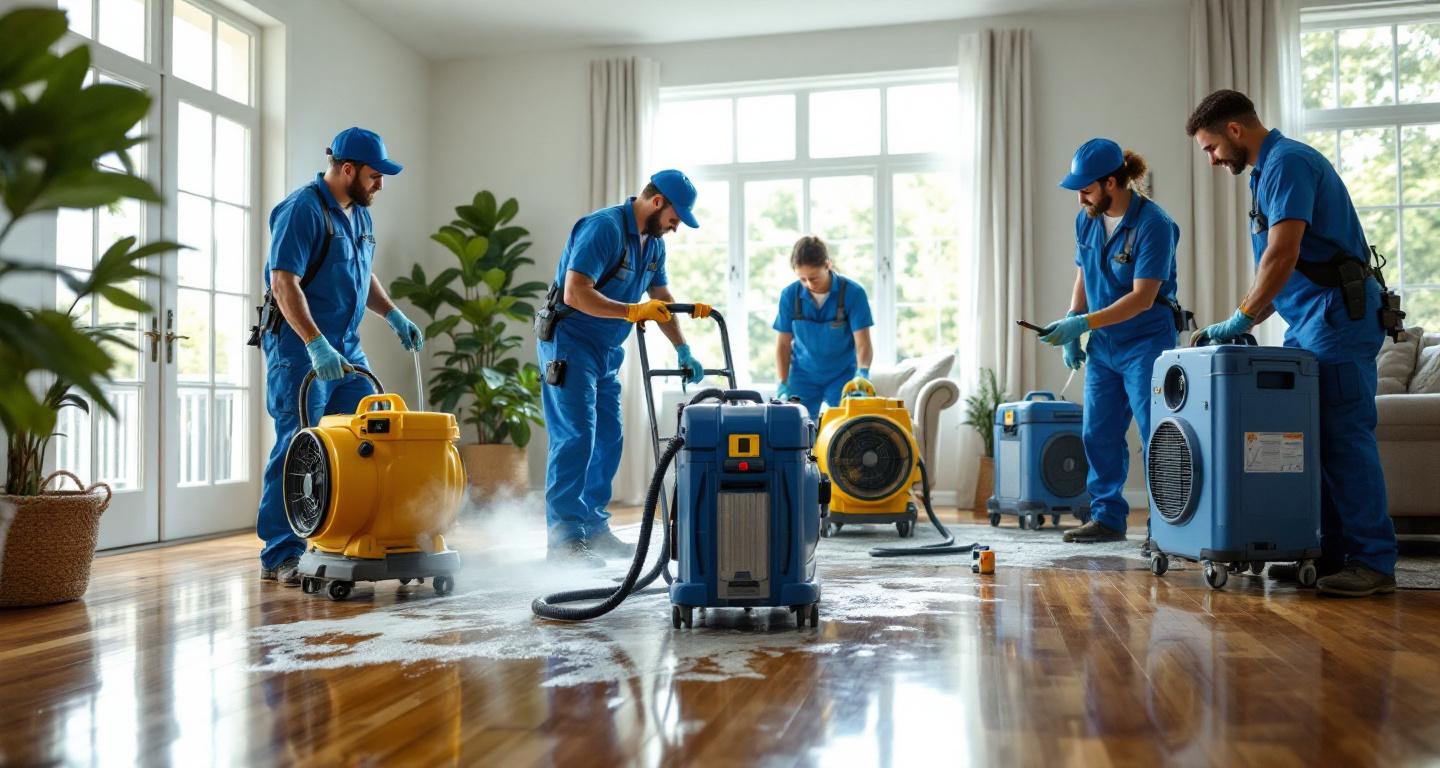
Find a reliable water damage restoration service by verifying IICRC certification, 24/7 emergency response, proper insurance coverage, and local licensing. Check response times under 60 minutes and ensure they handle both water extraction and structural drying with professional-grade equipment.
Why Does Speed Matter in Water Damage Restoration?
Water damage becomes exponentially worse with each passing hour. Within 24-48 hours, mold can begin growing, structural materials can warp beyond repair, and what started as a manageable cleanup can transform into a major reconstruction project. Professional restoration companies understand this critical timeline and prioritize rapid response. The best services guarantee arrival within 60 minutes of your call, equipped with industrial-grade extraction equipment and moisture detection tools. This urgency isn't just about convenience—it's about preventing thousands of dollars in additional damage and protecting your family's health from potential mold exposure.
What Certifications Should You Look For?
Professional water damage restoration requires specialized knowledge and equipment. Legitimate companies invest in proper training and certification:
- IICRC (Institute of Inspection, Cleaning and Restoration Certification) - The gold standard for water damage restoration
- EPA Lead-Safe Certification - Required when working on homes built before 1978
- State contractor licensing - Verify active status through your state's licensing board
- Insurance company preferred vendor status - Many insurers maintain lists of pre-approved contractors
- Manufacturer certifications for specialized equipment and techniques
How Do You Verify Insurance and Bonding?
Water damage restoration involves significant liability risks, making proper insurance coverage essential. Any company you consider should carry general liability insurance of at least $1 million, workers' compensation coverage, and bonding protection. Don't just take their word for it—request certificates of insurance directly from their insurance company, not photocopies. These certificates should be current and specifically name your project. Additionally, verify that the company has experience working with your insurance provider. Some restoration companies have preferred vendor relationships with major insurers, which can streamline the claims process and ensure faster approval for necessary work.
What Should You Expect During the Initial Assessment?
A professional water damage assessment should be thorough and documented. Here's what the process should include:
- Complete moisture mapping using thermal imaging and hygrometers to identify all affected areas, including hidden moisture
- Detailed documentation with photos and measurements for insurance purposes
- Written scope of work outlining extraction, drying, and restoration procedures with timeline estimates
- Clear explanation of what items can be restored versus what needs replacement
- Air quality assessment and mold risk evaluation based on moisture levels and duration of exposure
How Can You Evaluate Their Equipment and Methods?
Professional water damage restoration requires industrial-grade equipment that most companies rent or lease rather than own outright. Look for companies using truck-mounted extraction units for maximum suction power, not small portable units better suited for carpet cleaning. They should deploy multiple air movers and commercial dehumidifiers to create proper airflow patterns for structural drying. Moisture detection equipment should include thermal imaging cameras, not just basic moisture meters. The company should explain their drying strategy and provide daily monitoring reports showing moisture levels decreasing over time. Be wary of companies that promise quick fixes or don't use professional monitoring equipment to track progress.
Essential Questions to Ask Before Hiring
Use this checklist when evaluating water damage restoration companies:
- Are you available 24/7 for emergency response?
- How quickly can you arrive on-site after I call?
- Do you have current IICRC certification and state licensing?
- Will you work directly with my insurance company?
- Can you provide references from recent similar projects?
- What equipment will you use for extraction and drying?
- How do you monitor and document the drying process?
- Do you handle both water extraction and full restoration?
- What is your protocol if mold is discovered during the process?
- Can you provide a detailed written estimate and timeline?
What Red Flags Should You Watch For?
Several warning signs indicate a company you should avoid:
- Demanding full payment upfront before any work begins
- Significantly higher or lower bids than other companies without clear justification
- Pressure tactics or claims that you must sign immediately
- Reluctance to provide proof of licensing, insurance, or certifications
- No physical business address or only a P.O. Box listed
- Poor communication or unprofessional behavior during initial contact
- Promises to waive your insurance deductible
- No written contract or scope of work provided
How Do You Navigate the Insurance Claims Process?
The relationship between your restoration company and insurance provider significantly impacts your experience and out-of-pocket costs. The best restoration companies have established relationships with major insurers and understand their specific documentation requirements and approval processes. They should be willing to meet with your insurance adjuster on-site and provide detailed estimates using industry-standard software like Xactimate. However, remember that you have the right to choose your own contractor—don't let your insurance company pressure you into using their preferred vendor if you're not comfortable with that choice. A good restoration company will advocate for complete repairs and help you understand what your policy covers versus any potential gaps in coverage.
The biggest mistake I see homeowners make is choosing the cheapest bid without considering qualifications and equipment. Water damage restoration done incorrectly the first time often costs twice as much to fix properly.
Mike Rodriguez, IICRC Master Restorer with 15 years experience
What About Ongoing Monitoring and Follow-Up?
Professional water damage restoration isn't complete until all materials reach acceptable moisture levels and the structure is confirmed dry. This typically takes 3-7 days depending on the extent of damage and materials affected. Your restoration company should provide daily monitoring reports showing moisture readings and explain what these numbers mean. They should also conduct a final clearance inspection before removing equipment, documenting that all areas have returned to normal moisture levels. Many companies provide a warranty on their drying work and offer follow-up inspections 30-60 days later to ensure no issues develop. This ongoing commitment distinguishes professional restoration services from companies that simply extract visible water and leave.
Frequently Asked Questions
How much does water damage restoration typically cost?
Water damage restoration costs vary widely based on affected area and damage severity. Minor cleanup may cost $1,500-3,000, while major flooding can reach $15,000-30,000. Most homeowner's insurance policies cover sudden water damage incidents.
Should I attempt any cleanup before professionals arrive?
Remove standing water safely if possible and move valuable items to dry areas. However, avoid using household fans or opening windows, as this can spread contamination. Wait for professionals to assess moisture levels and develop proper drying strategy.
How long does the water damage restoration process take?
Emergency water extraction typically happens within hours, but complete structural drying takes 3-7 days on average. Full restoration including repairs can take several weeks depending on the extent of damage and materials involved.
Will my insurance cover water damage restoration?
Most homeowner's policies cover sudden water damage from burst pipes or appliance failures. However, flood damage typically requires separate flood insurance. Your restoration company should help document everything for your insurance claim.
How can I prevent mold growth during water damage restoration?
Professional restoration companies prevent mold by quickly extracting water, controlling humidity levels, and ensuring complete structural drying within 48-72 hours. They monitor moisture levels daily and may use antimicrobial treatments when necessary.
What's the difference between water damage restoration and regular cleanup?
Professional restoration involves specialized equipment for moisture detection, structural drying, and monitoring. Regular cleanup only addresses visible water but doesn't ensure materials are properly dried, often leading to mold growth and structural problems later.
Find Trusted Water Damage Restoration Services
When water damage strikes, you need professionals fast—but you also need to know they're trustworthy. Tools like Linked By Six automatically show you which local restoration companies your neighbors and colleagues have used successfully, helping you make confident decisions even in emergency situations. See your network's trusted connections before you search.
Finding a reliable water damage restoration service requires balancing speed with due diligence. Focus on certified companies with proper insurance, professional equipment, and established relationships with insurers. The investment in a qualified restoration company pays dividends by preventing secondary damage, mold growth, and structural issues that can plague your home for years. Remember that in water damage situations, the cheapest option often becomes the most expensive when remediation is incomplete. Trust your instincts, verify credentials, and choose a company that demonstrates professionalism from the first phone call through final clearance inspection.