
How to Find a Pest Control Service You Can Trust
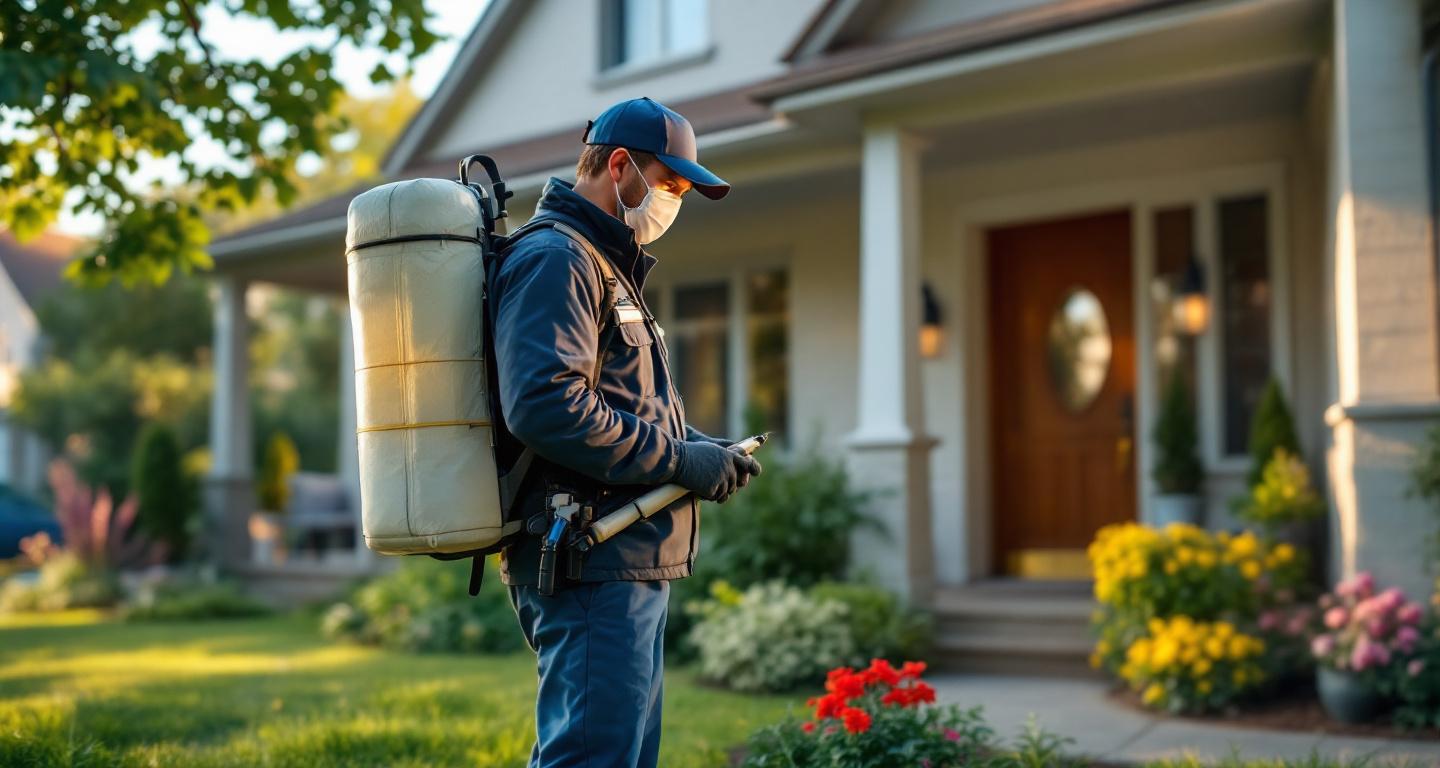
Finding good pest control starts with leveraging trusted networks for recommendations, verifying licenses and insurance, reading detailed reviews, and asking specific questions about treatment methods, guarantees, and safety protocols before making your decision.
Why do personal recommendations matter more than online reviews?
When it comes to pest control, personal recommendations from trusted sources carry significantly more weight than anonymous online reviews. People in your network who recommend a pest control service have actually experienced the results firsthand—they know whether the treatments were effective, if the technicians were professional, and if the company stood behind their guarantees. Personal recommendations also come with context that generic reviews lack. Your neighbor can tell you exactly how the service handled their ant problem or explain why they switched from another company. This contextual information helps you understand whether a service is truly right for your specific situation. Most importantly, when someone stakes their reputation on a recommendation, there's built-in accountability. They're more likely to give you honest feedback about both the positives and potential drawbacks of a service provider.
What credentials should a pest control company have?
Before hiring any pest control service, verify they meet these essential requirements:
- Valid state pest control license with current registration numbers you can verify online
- Comprehensive general liability insurance and workers' compensation coverage
- Proper certification for handling restricted pesticides and chemicals
- Bond or insurance protection for potential property damage during treatment
- Membership in professional associations like the National Pest Management Association
- Clean record with the Better Business Bureau and state regulatory agencies
How do you properly vet potential pest control services?
Follow this systematic approach to evaluate pest control companies:
- Request detailed written estimates from at least three different companies for comparison
- Verify all licenses and insurance through your state's regulatory database online
- Check complaint records with your state's agriculture or consumer protection department
- Review recent customer feedback focusing on treatment effectiveness and follow-up service
- Confirm they offer guarantees and ask for specific details about what's covered
- Schedule in-person consultations to assess their professionalism and knowledge
What questions should you ask during consultations?
The consultation phase is your opportunity to assess both the company's expertise and approach. Start by asking about their specific experience with your type of pest problem. A reputable company should be able to explain the pest's behavior, lifecycle, and why certain treatments are most effective. Ask detailed questions about their treatment methods, including what chemicals they use, how they're applied, and what safety precautions they take around children and pets. Inquire about their guarantee policy—what exactly is covered, for how long, and what happens if pests return. Also discuss their follow-up procedures and whether additional treatments are included in the initial price. Don't hesitate to ask for references from recent customers who had similar pest issues. A confident, professional company will readily provide this information and demonstrate their expertise through detailed, knowledgeable answers.
How important is local expertise in pest control?
Local expertise in pest control is invaluable because pest problems vary significantly by geographic region, climate, and local building practices. A company that specializes in your area understands which pests are most common during different seasons, where they typically enter homes, and which treatment methods work best in your local environment. Local companies also understand regional regulations about pesticide use and have established relationships with suppliers for specialized treatments. They're familiar with the construction styles common in your neighborhood and know the typical problem areas in homes built during different eras. Additionally, local companies depend on their community reputation, making them more likely to provide excellent service and stand behind their work. They understand that their success depends on satisfied customers who will recommend them to neighbors and friends throughout the community.
What should you look for in service contracts?
Before signing any pest control agreement, ensure these elements are clearly specified:
- Detailed description of the pest problem being treated and specific areas covered
- Complete list of treatment methods and products that will be used
- Clear timeline for initial treatment and any required follow-up visits
- Specific guarantee terms including duration and what triggers re-treatment
- Total cost breakdown including any additional fees for callbacks or extra treatments
- Cancellation policy and any penalties for ending service early
- Safety protocols for children, pets, and sensitive individuals in the household
- Contact information for emergency situations or urgent pest issues
How do you evaluate treatment effectiveness and service quality?
Evaluating pest control effectiveness requires patience and systematic observation. Most treatments don't show immediate results—it typically takes 1-2 weeks to see significant reduction in pest activity, and some treatments may initially increase visible pest activity as insects are flushed out of hiding places. Keep a simple log of pest sightings before and after treatment to track progress objectively. Pay attention to the technician's professionalism during service visits. They should explain what they're doing, point out potential problem areas, and provide prevention tips. Quality companies follow up proactively to check on treatment effectiveness and address any concerns. They should also provide detailed service reports documenting what was done, where treatments were applied, and any recommendations for preventing future infestations. If pest activity doesn't decrease significantly within the guaranteed timeframe, a reputable company should investigate and modify their approach at no additional cost.
The best pest control relationships are built on trust, communication, and proven results. A good company becomes your long-term partner in maintaining a pest-free environment, not just a one-time service provider.
National Pest Management Association
What red flags should you avoid when selecting pest control?
Several warning signs indicate you should look elsewhere for pest control services. Door-to-door salespeople offering immediate treatment at steep discounts are typically not reputable companies—legitimate services rarely solicit business this way. Be cautious of companies that can't provide proper licensing information or seem evasive when asked about credentials. Avoid services that quote prices significantly higher or lower than other estimates without clear justification. Companies that pressure you to sign contracts immediately or demand full payment upfront are concerning. Also be wary of services that promise to eliminate all pests permanently with a single treatment—most pest control requires ongoing management. Red flags include refusing to provide written estimates, lacking proper insurance, or having multiple recent complaints with regulatory agencies. Trust your instincts if something feels off during consultations or if company representatives seem unprofessional or pushy.
Frequently Asked Questions
How much should I expect to pay for professional pest control?
Pest control costs vary by location and pest type, but expect $100-300 for one-time treatments and $200-600 annually for ongoing service contracts. Always get multiple quotes to compare.
How often should pest control treatments be performed?
Most residential pest control involves quarterly treatments, though frequency depends on pest type, severity of infestation, and your location. Monthly treatments may be needed for severe problems.
Is it safe to stay home during pest control treatments?
Modern pest control methods are generally safe, but follow your technician's specific instructions. Some treatments require temporary evacuation while others allow normal occupancy with basic precautions.
What should I do to prepare my home for pest control treatment?
Clear treatment areas of clutter, store food in sealed containers, cover fish tanks, and remove pet food and water bowls. Your technician will provide specific preparation instructions.
How long do pest control treatments remain effective?
Treatment effectiveness varies by product and pest type, typically lasting 30-90 days for residual treatments. Weather, cleaning, and pest pressure can affect duration.
What guarantees should a pest control company offer?
Reputable companies typically offer 30-90 day guarantees for specific treatments and may provide free re-treatment if pests return within the guaranteed period under normal conditions.
Find Trusted Pest Control Through Your Network
Instead of starting your search from scratch, leverage the experiences of people you trust. Tools like Linked By Six automatically show you which local pest control services your friends, neighbors, and colleagues have used and recommend—giving you vetted options before you even start calling for quotes.
Finding reliable pest control service requires more than just picking the first company you find online. By leveraging trusted recommendations, thoroughly vetting credentials, asking the right questions, and carefully reviewing service agreements, you can find a pest control partner who will effectively protect your home. Remember that the best pest control relationships are built on trust, communication, and proven results. Take time to properly evaluate your options—the extra effort invested in finding the right service will pay dividends in effective treatment and peace of mind. A good pest control company becomes your long-term ally in maintaining a comfortable, pest-free living environment.