
How to Find a Personal Trainer You Can Actually Trust
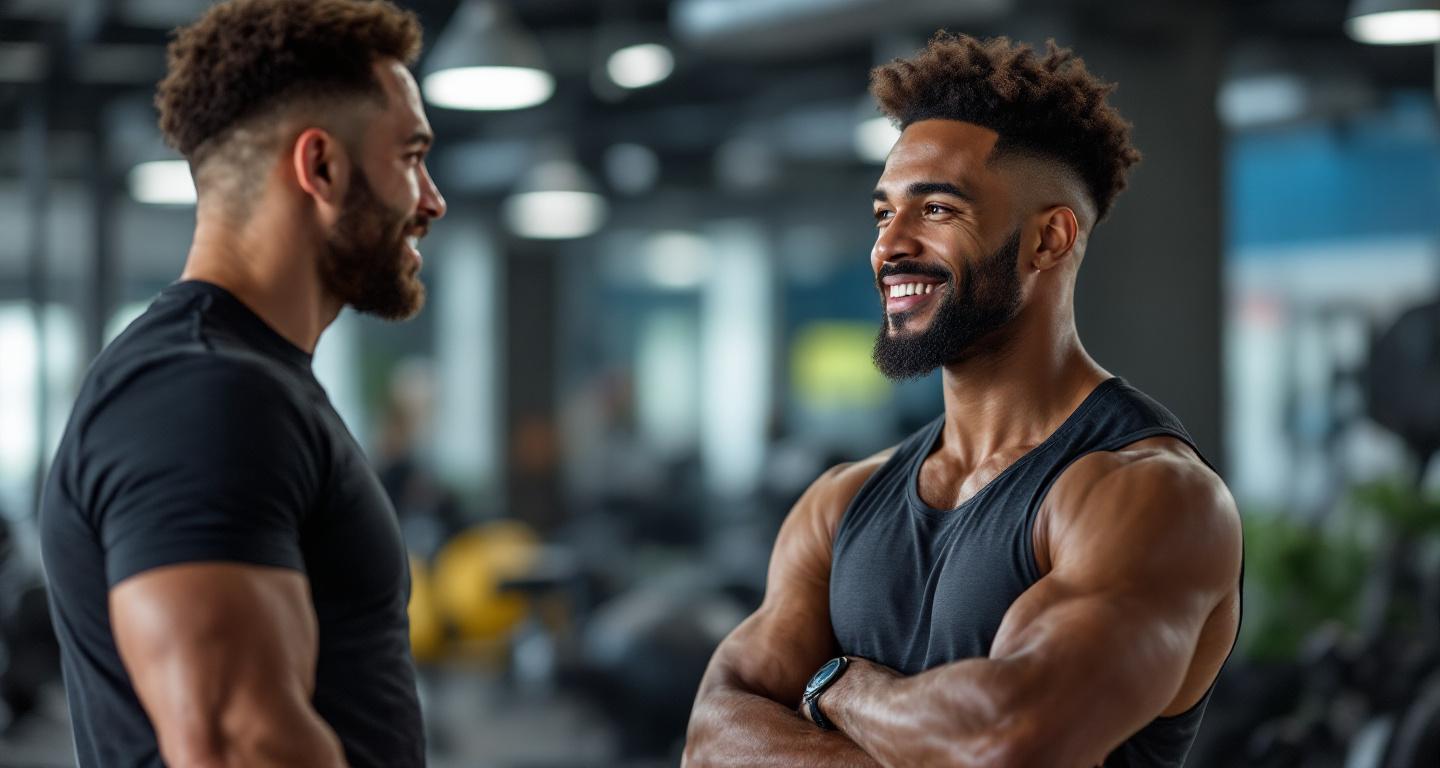
Finding a good personal trainer requires checking certifications from accredited organizations like ACSM or NASM, evaluating their experience with your specific goals, assessing communication style during consultations, and verifying client testimonials and results to ensure they're qualified and compatible with your needs.
What Certifications Should a Personal Trainer Have?
The foundation of any qualified personal trainer is proper certification from a reputable organization. Look for certifications from nationally recognized bodies like the American College of Sports Medicine (ACSM), National Academy of Sports Medicine (NASM), American Council on Exercise (ACE), or the National Strength and Conditioning Association (NSCA). These organizations require comprehensive education, practical training, and ongoing continuing education to maintain certification. Beyond basic certification, specialized credentials in areas like corrective exercise, sports performance, or nutrition coaching can indicate deeper expertise. Many top trainers also hold degrees in exercise science, kinesiology, or related fields, which provides additional scientific foundation for their practice.
What Experience Should You Look For?
Experience matters, but it's not just about years in the field. The right trainer should have specific experience relevant to your goals:
- Track record with clients who have similar goals (weight loss, strength building, injury recovery, sport-specific training)
- Experience working with your age group and fitness level
- Demonstrated results through client transformations and testimonials
- Knowledge of modifications for any health conditions or limitations you have
- Ongoing education and staying current with fitness research and trends
How Important Is Training Style Compatibility?
Your trainer's approach should align with your personality, preferences, and goals. Some clients thrive with high-energy, drill-sergeant-style motivation, while others need patient, educational guidance. During initial consultations, pay attention to how the trainer communicates, whether they listen to your concerns, and if they explain exercises clearly. A good trainer adapts their teaching style to your learning preferences and adjusts workout intensity based on your feedback. They should also respect your boundaries while still challenging you appropriately. The best trainer-client relationships feel collaborative rather than dictatorial, with both parties working toward clearly defined, measurable goals.
What Questions Should You Ask During Consultations?
A thorough consultation reveals whether a trainer is truly qualified and right for you. Ask these essential questions:
- What certifications do you hold and when do they expire? (Check that they're current and from reputable organizations)
- How do you typically structure programs for someone with my goals? (Listen for personalized, progressive approaches)
- Can you provide references from clients with similar goals? (Good trainers are proud to share success stories)
- What's your experience with my specific needs or limitations? (Ensure they have relevant expertise)
- How do you track progress and adjust programs? (Look for data-driven, flexible approaches)
- What happens if I need to miss sessions or have scheduling conflicts? (Understand their policies upfront)
How Do You Evaluate Cost and Value?
Personal training costs vary widely based on location, experience, and setting. Independent trainers often charge $40-80 per session, while premium gym trainers might charge $80-150+. However, the cheapest option isn't always the best value. Consider the total package: session length, program design, nutritional guidance, progress tracking, and ongoing support. Some trainers include workout plans for off-days, check-ins via text, and form videos. Group training or semi-private sessions can reduce costs while still providing personalized attention. Many successful trainers offer package deals that reduce per-session costs. Remember, investing in proper guidance upfront often prevents injuries and accelerates results, making it more cost-effective long-term.
Where Should You Train?
Training location significantly impacts your experience and results. Commercial gym trainers have access to varied equipment but may have distractions and time pressures from gym policies. Private studio trainers often provide more personalized environments but might have limited equipment diversity. In-home training offers ultimate convenience and privacy but depends on your space and equipment availability. Outdoor training can be motivating and cost-effective but weather-dependent. Consider your comfort level, schedule constraints, and specific fitness goals when choosing. Some trainers work in multiple settings, allowing flexibility as your needs change. The key is finding an environment where you feel comfortable, motivated, and able to focus on your workout.
Essential Trainer Vetting Checklist
Use this checklist to evaluate potential trainers systematically:
- Current certification from recognized organization (ACSM, NASM, ACE, NSCA)
- Liability insurance and CPR certification
- Relevant experience with your specific goals
- Positive client testimonials and references
- Clear communication style that matches your preferences
- Reasonable, evidence-based approach to training
- Transparent pricing and policy information
- Professional demeanor and appropriate boundaries
- Ongoing education and staying current with industry standards
- Trial session or consultation to assess compatibility
How Do You Know If It's Working?
A good trainer establishes clear metrics for success from day one. This includes baseline measurements, specific goals with timelines, and regular progress assessments. You should see improvements in strength, endurance, technique, or other relevant metrics within 4-6 weeks. Beyond physical progress, evaluate whether you feel more confident, knowledgeable, and motivated about fitness. Good trainers educate you about proper form, program design principles, and how to maintain results independently. If you're not seeing progress or don't feel the relationship is productive after two months, it may be time to reassess. Remember, the best trainer-client relationships evolve into long-term partnerships focused on sustainable lifestyle changes rather than quick fixes.
Frequently Asked Questions
How much should I expect to pay for a personal trainer?
Personal training typically costs $40-150 per session depending on location, experience, and setting. Independent trainers average $50-80, while premium gym trainers charge $80-150+. Consider package deals and semi-private options for better value.
Do I need a trainer with a college degree in fitness?
While not required, degrees in exercise science or kinesiology provide valuable scientific foundation. Focus primarily on current certifications from reputable organizations like ACSM, NASM, or ACE, plus relevant experience with your specific goals.
How often should I train with a personal trainer?
Most people benefit from 1-3 sessions per week initially. Beginners might start with 2-3 sessions weekly, while experienced exercisers might use monthly sessions for program updates and form checks. Frequency depends on goals, budget, and experience level.
What if I don't click with my trainer?
Chemistry matters for successful training relationships. If communication styles don't match after 2-3 sessions, discuss concerns directly or find a new trainer. Most reputable trainers want clients to succeed and will help transition you if needed.
Should my trainer provide nutrition advice?
Trainers can offer general nutrition guidance, but detailed meal plans require registered dietitian credentials. Look for trainers with nutrition certifications who understand the connection between diet and fitness goals while staying within their scope of practice.
How long should I work with the same trainer?
Successful trainer relationships often last months or years, evolving as goals change. Consider switching if you stop seeing progress, outgrow their expertise level, or want to try different training styles. Many people maintain long-term relationships with periodic breaks.
Find Trainers Your Network Already Trusts
Skip the guesswork of vetting unknown trainers. Tools like Linked By Six automatically show you which personal trainers and fitness professionals your friends, colleagues, and extended network already trust and recommend. See real connections and verified experiences before making your choice.
Finding the right personal trainer is about more than just credentials—it's about finding someone who understands your goals, communicates effectively, and creates an environment where you can thrive. Take time to research certifications, evaluate experience, and assess compatibility during consultations. Remember that the best training relationships are built on trust, clear communication, and shared commitment to your success. When you find the right trainer, the investment in professional guidance pays dividends in faster results, injury prevention, and long-term lifestyle changes that extend far beyond the gym.