
How to Find a Trusted Home Inspector You Can Count On
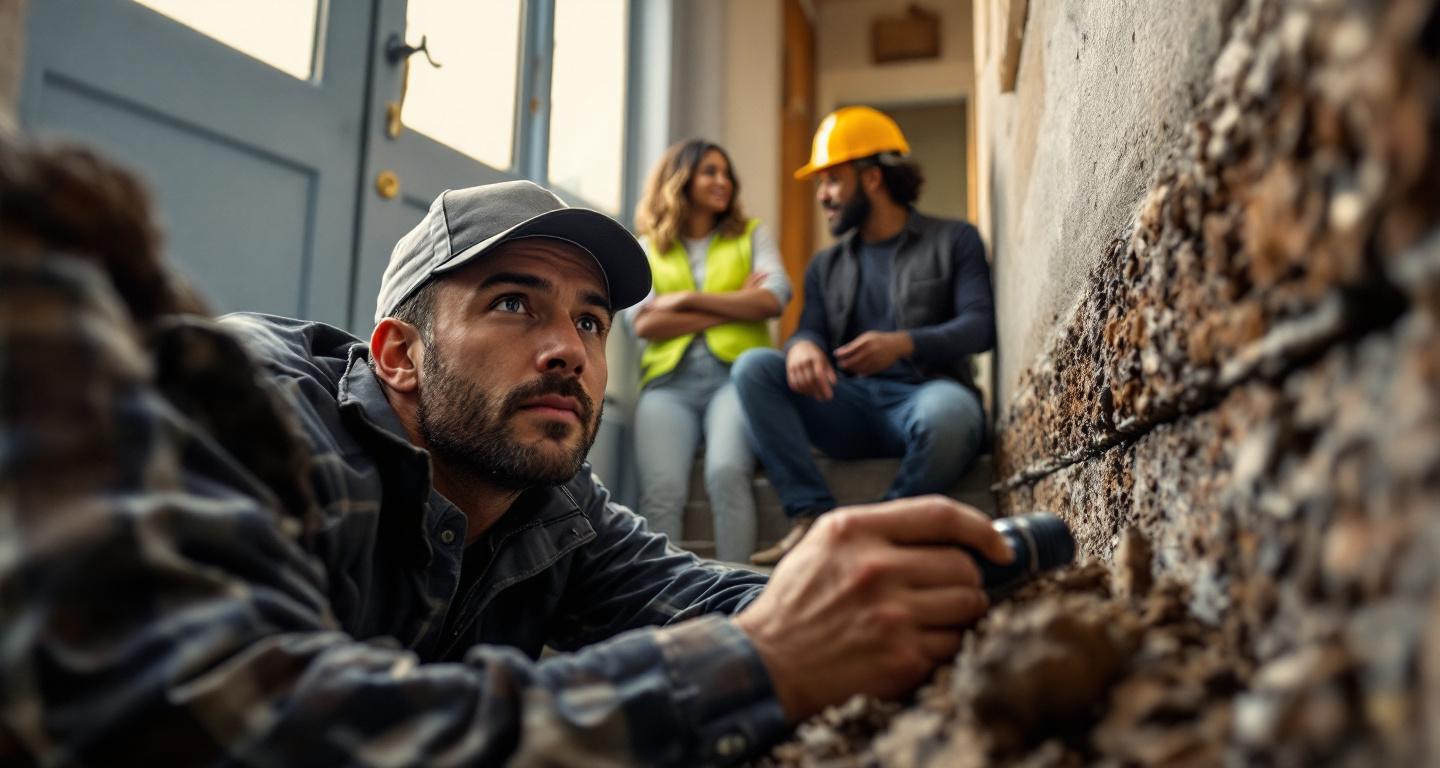
Find a good home inspector by leveraging your extended professional network, verifying certifications and insurance, reviewing sample reports, and checking local licensing requirements. Personal recommendations from real estate agents, contractors, and previous clients provide the most reliable insights into inspector quality and thoroughness.
Why Do Personal Recommendations Matter Most for Home Inspectors?
Home inspections represent one of the most critical decisions in your property purchase, yet online reviews rarely capture the nuances that matter most. Personal recommendations provide context that anonymous reviews cannot—details about communication style, thoroughness, and reliability under pressure. When someone in your network recommends an inspector, they're putting their reputation on the line, creating natural accountability. Real estate professionals, contractors, and previous homebuyers can share specific insights about how inspectors handle complex issues, their attention to detail, and whether they miss critical problems. This insider knowledge proves invaluable when choosing someone to evaluate potentially the largest investment of your lifetime.
What Qualifications Should Your Home Inspector Have?
Professional qualifications serve as your first line of defense against inadequate inspections. Look for these essential credentials:
- State licensing (where required) with current, active status
- Professional association membership (ASHI, InterNACHI, or NAHI)
- Continuing education completion within the past two years
- General liability and errors & omissions insurance coverage
- Background in construction, engineering, or related technical field
- Local market experience with regional building codes and common issues
How Do You Evaluate an Inspector's Experience and Expertise?
Experience quality matters more than quantity alone. An inspector with 500 inspections in your local market understands regional issues better than someone with 1,000 inspections across different climates and building styles. Ask about their background—former contractors, engineers, or building professionals often provide more thorough inspections than career inspectors without hands-on construction experience. Request examples of challenging situations they've encountered and how they handled them. The best inspectors can explain complex issues in simple terms and provide practical guidance about repair priorities and costs. They should demonstrate familiarity with your area's common problems, from foundation issues to HVAC challenges specific to your climate.
What Steps Should You Take to Vet Potential Inspectors?
A systematic vetting process helps you identify the most qualified inspector for your needs:
- Request and review sample inspection reports to assess thoroughness and clarity
- Verify all licenses, certifications, and insurance coverage independently
- Ask for recent client references and actually contact them about their experience
- Inquire about their inspection process, timeline, and what areas they cover
- Discuss their policy for follow-up questions and clarifications after the report
- Confirm their availability aligns with your timeline and contract contingencies
- Review their fee structure and what's included versus additional services
What Questions Should You Ask Before Hiring an Inspector?
The right questions reveal an inspector's professionalism and expertise level. Ask about their inspection methodology and how they handle different property types—a ranch home requires different attention than a multi-story colonial. Inquire about their report delivery timeline and format, ensuring you'll receive comprehensive documentation within your contract contingency period. Discuss what happens if they discover major issues during the inspection and how they communicate urgent findings. Understanding their continuing education efforts shows commitment to staying current with evolving building codes and inspection techniques. Finally, ask about their approach to buyer education—the best inspectors view themselves as teachers, helping you understand your potential new home's systems and maintenance needs.
Essential Pre-Inspection Preparation Checklist
Proper preparation ensures you maximize your inspection investment:
- Confirm all utilities (electricity, gas, water) will be turned on
- Ensure all areas are accessible (remove stored items, unlock panels)
- Plan to attend the inspection for real-time education
- Prepare a list of specific concerns or questions about the property
- Arrange for inspection timing that allows thorough evaluation
- Understand your contract contingency deadlines and requirements
- Discuss additional specialized inspections that might be needed
How Do You Understand Different Types of Home Inspections?
Standard home inspections cover major systems and structural elements but have important limitations. Inspectors examine electrical, plumbing, HVAC, roofing, and structural components for visible defects and safety issues. However, they cannot inspect areas they cannot access, predict future failures, or evaluate specialized systems without additional expertise. Depending on your property's age, location, and features, you might need specialized inspections for termites, radon, lead paint, asbestos, septic systems, or wells. Older homes often require more comprehensive evaluation, while new construction needs focus on proper installation and code compliance. Discuss with your inspector whether additional specialists should be involved and understand what your standard inspection will and will not cover.
The best home inspectors don't just find problems—they educate buyers about their potential new home's systems and help them prioritize repairs and maintenance needs.
Mike Thompson, Licensed Professional Engineer and Home Inspector
What Should You Expect During the Inspection Process?
Professional inspections typically take 2-4 hours depending on property size and complexity. Quality inspectors encourage buyer attendance, using the walkthrough as an educational opportunity to explain systems, point out maintenance needs, and answer questions. They should provide real-time communication about significant issues while avoiding premature conclusions about complex problems. Expect thorough documentation through photos and detailed notes, systematic evaluation of all accessible areas, and professional interaction with all parties involved. The inspector should explain their findings clearly, distinguish between safety issues and maintenance items, and provide context for repair priorities. After completion, they should offer reasonable availability for follow-up questions about their report and findings.
How Do You Interpret and Act on Inspection Results?
Inspection reports require careful interpretation to make informed decisions about your purchase. Focus on safety issues, major system defects, and structural problems first, as these typically represent the highest costs and risks. Distinguish between items requiring immediate attention versus routine maintenance needs that can be addressed over time. Many issues that seem alarming in reports are actually common and easily corrected. Consider getting repair estimates for major items to understand true costs before making contract decisions. Remember that no home is perfect—even new construction typically generates inspection findings. The goal is identifying deal-breakers versus manageable issues that can be negotiated or planned for after purchase.
What Are the Biggest Red Flags to Watch For?
Certain warning signs indicate you should consider a different inspector:
- Extremely low fees compared to market rates for your area
- Unwillingness to provide sample reports or references
- Lack of proper licensing, certification, or insurance coverage
- Pressure to make quick decisions or rushed inspection timeline
- Poor communication or unprofessional behavior during initial contact
- Offers to provide repair services or contractor recommendations for fees
Frequently Asked Questions
How much should a home inspection cost?
Home inspection costs typically range from $300-$800 depending on property size, age, and location. Extremely low prices often indicate rushed or inadequate service, while premium pricing should reflect additional expertise or specialized services.
Should I attend my home inspection?
Yes, attending your inspection provides valuable education about your potential home's systems and maintenance needs. Quality inspectors encourage buyer participation and use the walkthrough as a learning opportunity for new homeowners.
What if the inspection reveals major problems?
Major inspection findings give you negotiating power to request repairs, price reductions, or contract cancellation within your contingency period. Get repair estimates to understand true costs before making decisions about proceeding with the purchase.
How long does a home inspection take?
Standard home inspections take 2-4 hours depending on property size and complexity. Larger, older, or more complex homes require additional time for thorough evaluation of all systems and structural elements.
Can I use the inspector my real estate agent recommends?
Real estate agent recommendations can be valuable since they work with inspectors regularly and understand quality differences. However, verify the inspector's qualifications independently and ensure they work for you, not the agent or transaction.
What's not included in a standard home inspection?
Standard inspections don't cover septic systems, wells, radon, lead paint, asbestos, termites, or other specialized areas. They also can't inspect inaccessible areas or predict future system failures beyond visible current conditions.
Find Your Trusted Home Inspector
Skip the guesswork and connect with home inspectors your network already trusts. Tools like Linked By Six automatically show you which local inspectors your colleagues, real estate professionals, and neighbors recommend—giving you insider access to proven quality before you search.
Finding the right home inspector requires more than comparing prices or reading online reviews. The most reliable path involves leveraging your extended professional network to identify inspectors with proven track records in your local market. By combining personal recommendations with proper credential verification and thorough vetting, you can confidently select an inspector who will provide the comprehensive evaluation your investment deserves. Remember that a quality inspection is an investment in your peace of mind and financial protection, making the effort to find the right professional well worth your time.