
How to Find the Best Barber You Can Actually Trust
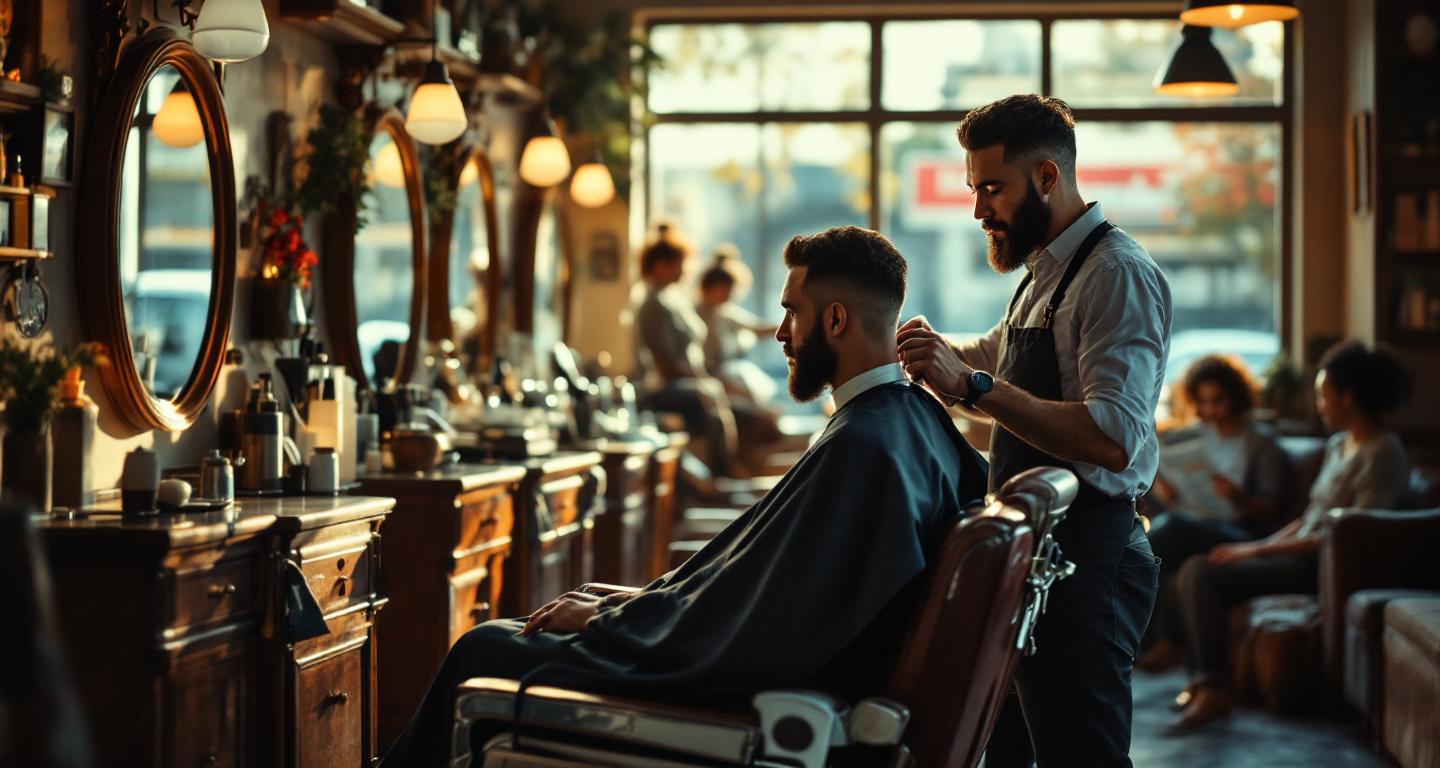
Finding the best barber requires evaluating technical skills, hygiene standards, and communication style. Look for consistent positive experiences from people you trust, observe their work firsthand, and ensure they understand your hair type and lifestyle before committing to regular visits.
Why Does Finding the Right Barber Matter So Much?
Your barber becomes more than just someone who cuts your hair—they become part of your routine, your appearance, and often your social circle. A skilled barber understands your hair's unique characteristics, learns your preferences over time, and adapts their techniques to complement your face shape and lifestyle. The wrong choice can mean months of bad haircuts, wasted money, and the frustration of explaining your preferences repeatedly to new stylists. The relationship between a client and their barber often spans years or even decades, making this decision particularly important. Beyond technical skills, your barber should make you feel comfortable, respected, and confident in their chair. This comfort level directly impacts how well you can communicate your needs and how satisfied you'll be with the results.
What Should You Look for in a Quality Barber Shop?
The environment and standards of a barbershop reveal crucial information about the quality of service you can expect. Here are the key indicators of a professional establishment:
- Immaculate cleanliness with tools properly sanitized between clients and fresh towels for each customer
- Proper licensing and certifications displayed visibly, showing the barber meets professional standards
- Consistent scheduling and punctuality, respecting both appointments and walk-in wait times
- Quality tools and equipment that are well-maintained, including sharp scissors and properly functioning clippers
- A portfolio or examples of their work, either displayed in the shop or available upon request
- Fair, transparent pricing with no hidden fees or surprise charges for basic services
How Do You Evaluate a Barber's Technical Skills?
Technical proficiency separates great barbers from mediocre ones, but it's not always immediately obvious to untrained eyes. Watch how they handle their tools—skilled barbers move with confidence and precision, adjusting their technique based on different hair textures and growth patterns. Pay attention to their consultation process: experienced professionals ask detailed questions about your lifestyle, styling preferences, and hair history before making the first cut. They should explain what they're doing and why, especially if you're trying a new style. Notice how they work with the natural grain and growth patterns of your hair rather than fighting against them. A quality barber will also provide realistic expectations about what styles will work with your hair type and face shape, rather than promising unrealistic results. The final test is consistency—a skilled barber should be able to recreate the same quality cut visit after visit.
What's the Best Way to Test a New Barber?
Starting slowly with a new barber protects you from potential disasters while giving you valuable insight into their abilities:
- Begin with a basic trim or cleanup rather than a dramatic style change, allowing you to assess their fundamental skills without major risk
- Communicate clearly about what you want, but also pay attention to how they listen and ask follow-up questions to ensure understanding
- Observe their workspace organization, tool handling, and interaction with other clients to gauge their professionalism and consistency
- Ask about their experience with your specific hair type, especially if you have unique texture, thickness, or growth patterns that require special techniques
- Notice how they handle any corrections or adjustments—professional barbers welcome feedback and make changes gracefully
- Evaluate the entire experience, including scheduling ease, wait time accuracy, and overall comfort level in their environment
How Important Are Personal Recommendations?
Personal recommendations carry exceptional weight when choosing a barber because hair is deeply personal and visible. When someone you know consistently looks well-groomed and professionally styled, their barber has proven their skills in real-world conditions. These recommendations come with context—you can see the actual results and ask specific questions about the experience, pricing, and reliability. People who recommend their barber often share similar standards for quality and professionalism, making their endorsement particularly valuable. Additionally, satisfied clients tend to be honest about both strengths and minor weaknesses, giving you a balanced perspective. The accountability factor also matters: barbers who consistently receive referrals from existing clients have strong incentives to maintain high standards since their reputation spreads through interconnected social circles. This creates a natural quality control system that anonymous online reviews simply cannot match.
Essential Questions to Ask During Your First Visit
- How long have you been cutting hair professionally, and where did you train?
- Do you have experience with my specific hair type and texture?
- What products do you recommend for maintaining this style at home?
- How often should I schedule appointments to keep this cut looking fresh?
- What would you suggest if I wanted to gradually change my current style?
- Do you prefer appointments or accept walk-ins, and what's your typical availability?
- What's included in the base price, and are there additional charges for washing or styling?
- How do you handle it if a client isn't satisfied with their cut?
What Red Flags Should You Watch For?
Certain warning signs can save you from a disappointing or even disastrous experience. Poor hygiene practices are non-negotiable deal-breakers—tools should be sanitized between clients, and the workspace should be consistently clean. Be wary of barbers who don't ask questions about your preferences or jump straight into cutting without consultation. Rushing through the service or seeming distracted during your appointment suggests they don't value quality or client satisfaction. Extremely cheap prices might seem attractive, but they often indicate corners being cut in training, tools, or time per client. Pay attention to how they interact with other customers—dismissive or unprofessional behavior toward others will likely extend to you eventually. Inconsistent scheduling, frequent cancellations, or inability to maintain appointment times shows lack of professionalism. Finally, be cautious if they can't provide clear answers about their experience, training, or approach to different hair types.
How Do You Build a Long-Term Relationship With Your Barber?
Once you find a skilled barber, nurturing that relationship benefits both parties and ensures consistently excellent service. Be reliable with your appointments—show up on time and provide adequate notice for cancellations or rescheduling. Clear, respectful communication helps your barber understand your evolving preferences and lifestyle changes that might affect your grooming needs. Don't hesitate to provide feedback, both positive and constructive, as this helps them tailor their service to your specific preferences. Consistent scheduling helps your barber plan their time and ensures you get regular appointment slots that work for your schedule. Reasonable tipping for good service shows appreciation and helps maintain a positive relationship. Over time, a good barber becomes familiar with your hair's characteristics, your style preferences, and even seasonal adjustments you prefer. This relationship often extends beyond just haircuts to include grooming advice, product recommendations, and sometimes even personal friendship that enhances your entire barbershop experience.
What About Specialty Services and Advanced Techniques?
If you're interested in services beyond basic cuts, verify your barber's expertise in these specialized areas:
- Beard trimming and shaping, including knowledge of different beard styles and maintenance techniques
- Straight razor shaves and hot towel treatments, which require additional training and certification in most areas
- Hair washing and scalp treatments, including understanding of different hair and scalp conditions
- Styling with various products and techniques for different occasions or professional requirements
- Color services or gray blending, though many barbers refer these services to specialists
- Special occasion grooming for weddings, professional headshots, or important events
How Do Pricing and Value Factor Into Your Decision?
While cost shouldn't be your only consideration, understanding pricing helps you make informed decisions and budget appropriately. Quality barbering is skilled labor that deserves fair compensation, and extremely low prices often indicate inexperience or rushed service. However, high prices don't automatically guarantee superior results—evaluate the total value including skill level, service quality, convenience, and consistency. Consider the frequency of visits required to maintain your preferred style when calculating total costs. Some barbers offer package deals or loyalty programs that provide better value for regular clients. Factor in additional costs like tips, parking, and any products they recommend for home maintenance. Remember that finding the right barber can actually save money long-term by reducing the need for corrective cuts elsewhere and extending the time between appointments through superior technique. The convenience factor also has value—a reliable barber who respects your time and schedule provides worth beyond just the technical service.
Frequently Asked Questions
How often should I get my hair cut by a professional barber?
Most men should visit their barber every 3-4 weeks to maintain a polished look, though this varies based on hair growth rate, style complexity, and personal preferences. Shorter styles typically require more frequent maintenance.
Should I tip my barber, and if so, how much is appropriate?
Yes, tipping is standard practice for barber services. A 15-20% tip is typical for satisfactory service, with higher amounts for exceptional work or during holidays. Consistent, fair tipping helps maintain good relationships.
What's the difference between a barber and a hair stylist?
Barbers typically specialize in men's cuts, traditional techniques, and services like straight razor shaves. Hair stylists often focus on longer cuts, color services, and work with all hair types and genders.
How can I explain what I want if I'm not good at describing haircuts?
Bring photos showing the style from multiple angles, describe your lifestyle and maintenance preferences, and let the barber ask questions. Professional barbers are skilled at translating visual examples into achievable cuts.
What should I do if I'm not happy with my haircut?
Address concerns immediately while you're still at the shop. Most professional barbers will make adjustments at no charge. If major problems exist, discuss solutions calmly and consider seeking corrective help elsewhere if needed.
Is it better to go to a traditional barbershop or a modern salon?
Both can provide excellent service—choose based on the specific barber's skills, the services you need, and your comfort with the environment. Traditional shops often specialize in classic men's cuts and traditional techniques.
Find Your Perfect Barber Through Trusted Connections
Rather than gambling on random online reviews or unfamiliar shops, discover which barbers your friends and colleagues already trust. Tools like Linked By Six automatically show you the local service providers your network recommends, taking the guesswork out of finding quality professionals in your area.
Finding the right barber transforms a routine chore into an enjoyable experience while ensuring you always look your best. The key lies in evaluating technical skills, cleanliness standards, and communication style rather than relying solely on convenience or price. Take time to research candidates thoroughly, start with low-risk services to test their abilities, and don't hesitate to invest in quality when you find the right match. Remember that the best barbers often come recommended by people whose judgment and appearance you trust—these personal endorsements carry far more weight than anonymous online reviews. Once you establish a relationship with a skilled professional, maintain it through reliable scheduling, clear communication, and fair compensation. The investment in finding and keeping a great barber pays dividends in confidence, convenience, and consistently excellent grooming results that enhance your professional and personal image for years to come.