
How to Evaluate Pet Grooming Results Like a Pro
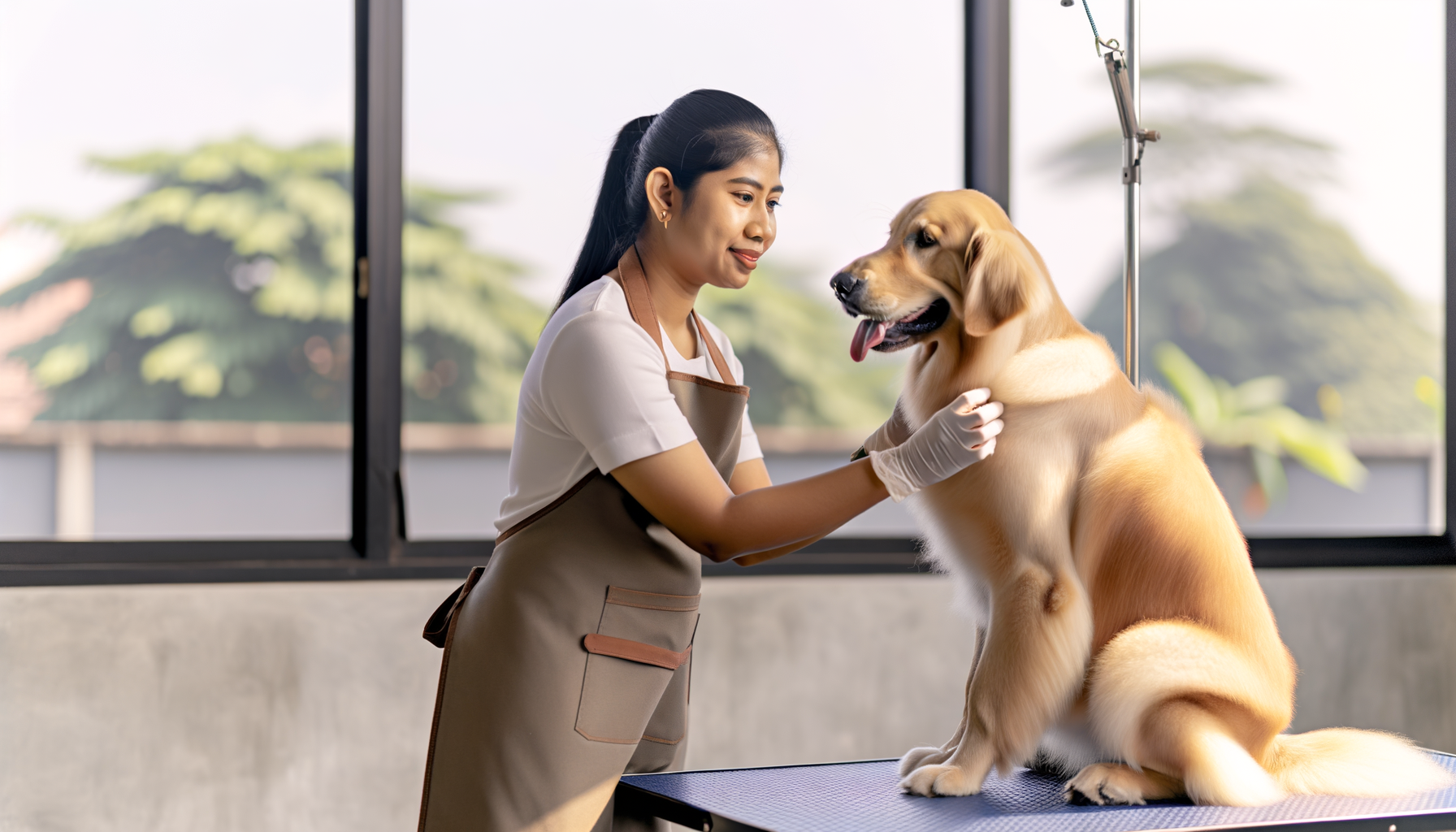
Evaluate grooming outcomes by checking your pet's coat evenness, skin condition, nail length, ear cleanliness, and overall comfort level. Quality grooming should leave your pet looking neat, feeling comfortable, and showing no signs of cuts, irritation, or stress-related behavior changes.
What Should You Check Immediately After Grooming?
The first few minutes after pickup are crucial for evaluating your pet's grooming experience. Start with a visual inspection while your pet is still calm and before leaving the facility. Check the overall appearance—does your pet look balanced and well-proportioned? Professional grooming should enhance your pet's natural features, not create awkward lines or uneven sections. Pay attention to your pet's body language and demeanor. A well-groomed pet should appear comfortable, not anxious or distressed. If your pet seems unusually agitated, withdrawn, or sensitive to touch in specific areas, this could indicate rough handling or accidental nicks during the grooming process.
Essential Post-Grooming Inspection Points
- Coat appears even and well-blended with no choppy or uneven sections
- No visible cuts, nicks, or red irritated areas on the skin
- Nails are trimmed to appropriate length without cutting the quick
- Ears are clean and free from excess hair or grooming solution residue
- Eyes are clear with no signs of soap or irritation
- Sanitary areas are properly trimmed and clean
- Your pet moves comfortably without favoring any limbs
- Coat feels soft and clean without excessive product buildup
How Do You Assess Coat Quality and Styling?
Professional grooming should result in a coat that looks natural and feels healthy. Run your hands through your pet's fur to check for evenness and texture. The coat should feel soft and clean without being overly oily or sticky from products. Look for smooth transitions between different length areas—skilled groomers blend lengths seamlessly rather than creating harsh lines. For breed-specific cuts, research the standard beforehand so you can evaluate whether the grooming meets expectations. The coat should enhance your pet's natural shape and movement. Pay special attention to areas that require precision work, such as around the face, paws, and tail. These areas often reveal the groomer's skill level and attention to detail.
Steps to Evaluate Technical Grooming Skills
Follow this systematic approach to assess the technical quality of your pet's grooming:
- Examine the face and head shape—features should look balanced and natural, with hair around the eyes properly trimmed for vision without being too short
- Check paw trimming—hair between toes should be neat, nails properly shortened, and paw pads visible but not over-exposed
- Inspect the body outline—the silhouette should be smooth and proportional, following your pet's natural body structure
- Assess blending techniques—different length areas should transition smoothly without visible lines or choppy sections
- Evaluate finishing details—areas like the tail, ears, and rear end should look polished and complete, not rushed or forgotten
What Signs Indicate Poor Grooming Practices?
Recognizing subpar grooming helps you make better choices for future appointments. Obvious red flags include any cuts, scrapes, or irritated skin areas. Your pet should never leave a grooming appointment with injuries. Uneven cutting is another clear indicator of inexperience or rushed work—this includes choppy layers, asymmetrical styling, or areas that appear forgotten or incomplete. Excessive product use can signal an attempt to mask poor technique or hide mistakes. Your pet's coat should feel clean and natural, not sticky, greasy, or artificially stiff. Behavioral changes can also indicate problems. If your normally calm pet becomes anxious about being touched in certain areas, this suggests rough handling or possible injury during grooming.
Red Flags That Suggest Inadequate Grooming
- Visible cuts, scrapes, or red irritated patches on the skin
- Asymmetrical or uneven cutting that makes your pet look lopsided
- Matted areas that were ignored rather than properly addressed
- Strong chemical smells that don't fade after a few hours
- Nails cut too short, causing bleeding or sensitivity
- Ear hair removal that left the ears red or inflamed
- Excessive shedding of recently cut hair indicating dull tools
- Your pet showing unusual sensitivity or fear of being touched
How Should Your Pet Behave After Quality Grooming?
A positive grooming experience should leave your pet comfortable and confident. Well-groomed pets typically feel lighter and more comfortable, especially if they had matted fur or overgrown nails. You might notice improved movement or reduced scratching if nail trimming and ear cleaning were needed. However, some temporary behavioral changes are normal—many pets feel excited or energetic after grooming, almost as if they know they look good. Others might seem slightly subdued as they adjust to their new appearance and the sensory experience of being freshly groomed. What's not normal is ongoing anxiety, excessive hiding, or sensitivity that persists beyond 24 hours. These behaviors suggest your pet had a stressful or uncomfortable experience that you'll want to avoid repeating.
When Should You Address Grooming Concerns?
Address any serious concerns immediately while still at the grooming facility. This includes obvious injuries, severe unevenness, or if your pet seems distressed. Most professional groomers want to resolve issues and will appreciate the opportunity to make corrections. For minor imperfections or style preferences, consider whether they're worth mentioning or if you can simply provide clearer instructions next time. Document any problems with photos, especially if you discover issues after leaving. This helps when discussing concerns with the groomer or when deciding whether to return. If you find multiple issues or your pet shows signs of rough treatment, consider this a learning experience and seek recommendations for more qualified groomers in your area.
How Do You Build Long-Term Grooming Success?
Successful grooming relationships develop over time as groomers learn your pet's specific needs and preferences. Keep notes about what worked well and what didn't after each appointment. This helps you communicate more effectively and ensures consistency across visits. Regular grooming schedules often yield better results than sporadic appointments because groomers can maintain coat condition rather than correcting neglect. Consider the groomer's willingness to discuss your pet's needs, answer questions, and make adjustments based on your feedback. The best groomers view each appointment as part of your pet's ongoing care, not just a one-time service. Building this relationship takes time, but the investment pays off in better outcomes and reduced stress for both you and your pet.
The best grooming relationships are built on communication and trust. A skilled groomer will always welcome your feedback and work with you to achieve the results that make both you and your pet happy.
Maria Rodriguez, Certified Master Groomer
Frequently Asked Questions
How long should I wait before evaluating grooming results?
Evaluate immediately for safety issues like cuts or injuries, but wait 24-48 hours for a complete assessment. Some styles settle and look more natural after your pet moves around and the coat relaxes into its new shape.
Is it normal for my pet to act differently after grooming?
Yes, temporary behavioral changes are normal. Pets may feel excited, energetic, or slightly subdued for 1-2 days as they adjust to their new appearance and the grooming experience. Ongoing anxiety suggests problems.
What should I do if I notice cuts or injuries after grooming?
Address injuries immediately with the groomer and document with photos. Minor nicks may need basic first aid, but significant cuts require veterinary attention. Professional groomers should cover veterinary costs for grooming-related injuries.
How do I know if the grooming style is appropriate for my dog's breed?
Research breed standards beforehand or ask the groomer to explain their approach. Quality breed-specific cuts enhance natural features and follow established guidelines while considering your pet's lifestyle and coat condition.
Should I tip if the grooming results are unsatisfactory?
Tipping reflects service quality. If results meet basic safety standards but fall short of expectations, consider a reduced tip and clear feedback. For excellent work, standard tipping is 15-20% of the service cost.
How often should I reevaluate my groomer choice?
Assess after each appointment for the first few visits, then periodically review quality and your pet's comfort level. Consider changes if you notice declining quality, rushed work, or your pet developing grooming anxiety.
Find Trusted Pet Groomers in Your Area
Don't settle for subpar grooming that leaves your pet uncomfortable or poorly styled. Tools like Linked By Six automatically show you which local pet groomers your friends and neighbors trust most—discover proven professionals before you book your next appointment.
Evaluating grooming outcomes is a skill that improves with experience and knowledge. By systematically checking coat quality, technical execution, and your pet's comfort level, you can distinguish between adequate and exceptional grooming services. Remember that the best grooming relationships develop over time through clear communication and mutual understanding of your pet's needs. Quality grooming should enhance your pet's natural beauty while prioritizing comfort and safety. Trust your instincts—if something doesn't look or feel right, address it promptly. Your pet depends on you to ensure they receive gentle, skilled care that leaves them looking great and feeling comfortable in their own skin.