
How to Document Home Restoration Work Like a Pro
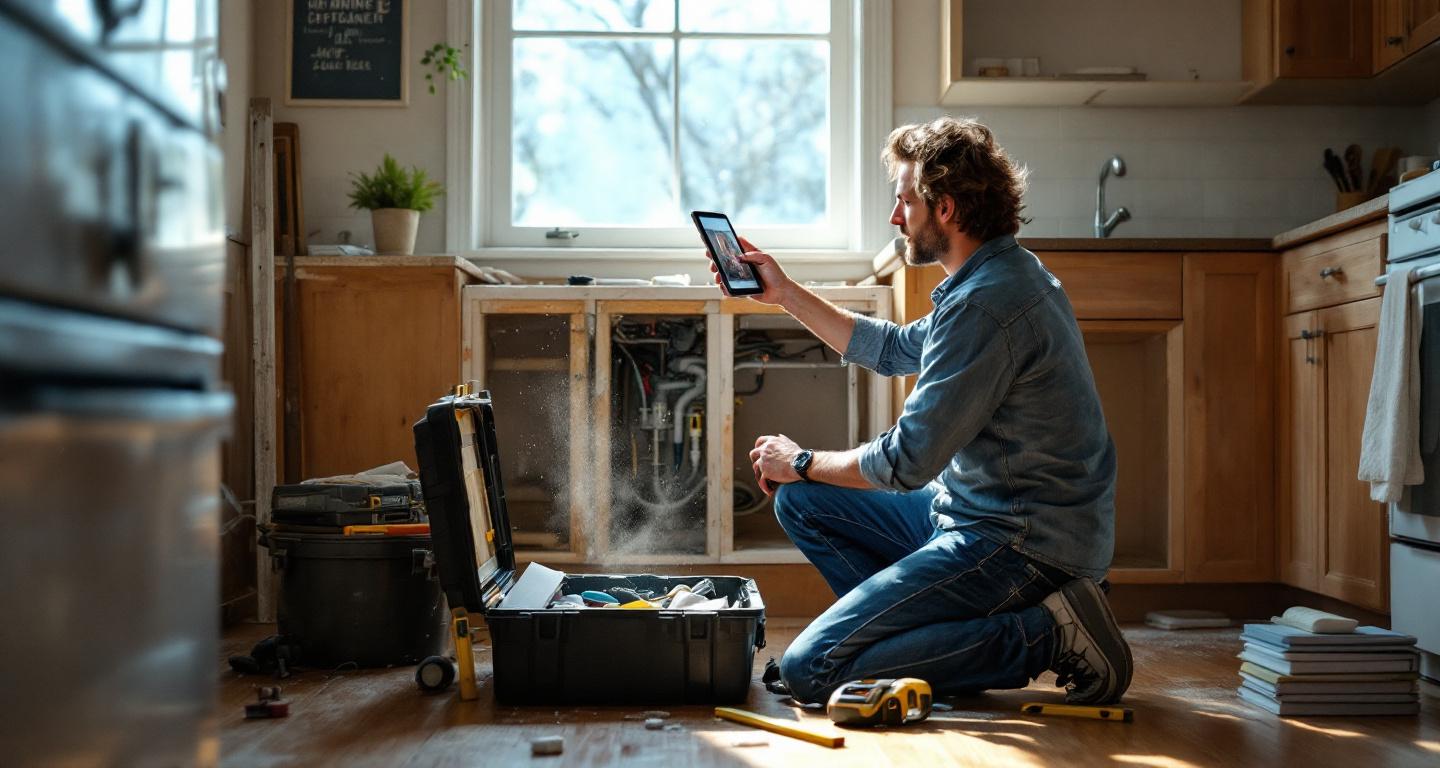
Document restoration work by photographing each phase, maintaining detailed receipts and permits, creating digital folders organized by room and date, and keeping contractor contact information. This documentation protects warranties, supports insurance claims, and increases resale value.
Why Is Documentation Critical for Restoration Projects?
Proper documentation serves as your project's insurance policy and historical record. When restoration work goes undocumented, homeowners face challenges with warranty claims, insurance disputes, and decreased property value during resale. Professional documentation creates a paper trail that proves work was completed to code, helps future contractors understand your home's systems, and provides evidence for insurance claims if damage occurs. Additionally, well-documented restoration work can increase your home's resale value by demonstrating professional maintenance and upgrades to potential buyers.
What Should You Photograph During Each Phase?
Visual documentation tells the complete story of your restoration project. Follow this systematic approach:
- Before photos: Capture the original condition from multiple angles, including close-ups of problem areas and wide shots showing room context
- During work: Document exposed systems like plumbing, electrical, and structural elements before they're covered up again
- Materials and products: Photograph product labels, model numbers, and installation dates for future reference
- Daily progress: Take consistent shots from the same angles to show progression over time
- Final results: Comprehensive photos of completed work, including detail shots of finishes and fixtures
How Do You Organize Digital Documentation Effectively?
Digital organization prevents documentation from becoming overwhelming and ensures easy retrieval when needed. Create a master folder structure using your address and year, then subdivide by room and project type. Within each subfolder, use consistent naming conventions like 'YYYY-MM-DD-RoomName-Description' for photos and documents. Cloud storage services like Google Drive, Dropbox, or iCloud provide automatic backup and easy sharing capabilities. Consider creating a simple spreadsheet that indexes major photos and documents with brief descriptions and file locations for quick reference years later.
What Documents Should You Keep Beyond Photos?
Supporting documentation provides context and legal protection for your restoration work:
- All receipts and invoices, including material purchases and labor costs
- Permits and inspection certificates from local authorities
- Contractor licenses, insurance certificates, and contact information
- Warranty documentation for all materials and appliances installed
- Paint colors, product specifications, and installation instructions
- Communication records including emails, texts, and change orders
How Does Documentation Protect Your Investment?
Thorough documentation transforms into financial protection in multiple scenarios. Insurance companies require proof of improvements when calculating replacement costs and processing claims. Without documentation, insurers may only cover original installation costs rather than recent upgrades. During warranty disputes, photos and receipts provide undeniable evidence of proper installation and timeline. When selling your home, documented improvements justify asking prices and demonstrate maintenance quality to potential buyers. Future repair work becomes more efficient when contractors can see exactly what was done previously and which products were used.
What Should Your Documentation Checklist Include?
Use this checklist to ensure comprehensive documentation for every restoration project:
- Create project folder with date and location
- Take before photos from multiple angles
- Document all existing conditions and problems
- Photograph contractor credentials and insurance
- Capture work in progress, especially hidden systems
- Save all receipts and material documentation
- Record paint colors and product specifications
- Take final completion photos
- Store warranty information with photos
- Update home maintenance spreadsheet
- Back up all files to cloud storage
- Share copies with spouse or family members
How Do You Handle Contractor Communication Records?
Communication records often become crucial evidence during disputes or warranty claims. Save all text messages, emails, and written agreements in your project folder. When contractors make verbal promises or changes, follow up with an email summarizing the conversation and ask for confirmation. This creates a written record of all agreements and modifications. Screenshot text messages regularly since phone upgrades can cause message loss. Keep a simple log of phone calls noting date, time, participants, and key discussion points. These communication records frequently resolve disputes faster than any other documentation type.
What Technology Tools Make Documentation Easier?
Modern technology streamlines the documentation process significantly. Smartphone apps like Evernote or OneNote allow you to combine photos, voice notes, and text in organized notebooks that sync across devices. Home improvement apps such as Houzz or HomeZada are specifically designed for renovation documentation and include features for tracking expenses and scheduling maintenance. Consider using timestamp camera apps that automatically embed date, time, and location data into photos. Voice recording apps help capture contractor conversations and your own observations during busy project phases when writing notes isn't practical.
How Do You Prepare Documentation for Different Audiences?
Different situations require different documentation formats and focus areas:
- Insurance claims: Focus on damage photos, receipts for upgrades, and proof of professional installation
- Warranty claims: Emphasize installation photos, product documentation, and timeline evidence
- Home sales: Highlight finished results, permits, and warranty transfers
- Future contractors: Prioritize behind-the-walls photos and system specifications
- Tax purposes: Organize receipts and improvement costs separately from maintenance expenses
How Long Should You Keep Restoration Documentation?
Documentation retention periods vary based on purpose and local regulations. Keep all restoration records for at least seven years to cover tax audit periods and most warranty durations. Structural work documentation should remain with the house permanently, as this information benefits all future owners. Major system installations like electrical, plumbing, or HVAC should be kept for the equipment's expected lifespan, typically 15-25 years. Insurance-related documentation should be maintained for at least ten years, as some policies allow claims for improvements made years earlier. When selling your home, transfer copies of all major restoration documentation to the new owners as part of the closing process.
Frequently Asked Questions
What's the most important documentation for warranty claims?
Installation photos showing proper technique, dated receipts proving purchase timeline, and product specifications are essential. These three elements establish what was installed, when, and whether proper procedures were followed.
Should I document minor repairs the same way as major renovations?
Minor repairs need basic photo and receipt documentation, but major renovations require comprehensive documentation including permits, contractor credentials, and detailed progress photos for insurance and resale purposes.
How do I document work I'm doing myself versus contractor work?
DIY projects need extra attention to permit documentation and code compliance photos. Contractor work should include their credentials, insurance, and communication records in addition to standard project documentation.
What happens if I lose documentation after completing restoration work?
Contact contractors for copies of their records, check email archives, and review credit card statements for purchase dates. Some documentation can be recreated, but prevention through cloud backup is always better.
Do I need professional photos or are smartphone pictures sufficient?
Smartphone photos are sufficient for most documentation needs if they're clear, well-lit, and comprehensive. Professional photos are only necessary for high-end resale marketing or complex insurance claims.
How do I organize documentation for multiple simultaneous projects?
Create separate folders for each project with consistent naming conventions. Use a master spreadsheet to track all projects with key dates, contractors, and major milestones for easy cross-referencing.
Find Documentation-Savvy Contractors
The best contractors understand documentation importance and often provide their own project photos and records. Tools like Linked By Six help you discover which contractors your extended network has used and trusts—connecting you with professionals who value proper documentation as much as quality work.
Comprehensive restoration documentation protects your investment, simplifies future projects, and provides peace of mind. By photographing each phase, organizing digital files systematically, and maintaining detailed records, you create a valuable asset that serves multiple purposes throughout your homeownership journey. Start documenting your next project from day one—your future self will thank you when you need to file an insurance claim, resolve a warranty issue, or sell your home. Remember that good documentation habits, like quality restoration work itself, require upfront effort but deliver long-term benefits that far exceed the initial investment.