
How to Choose a Plumber Under Pressure: 7 Essential Tips
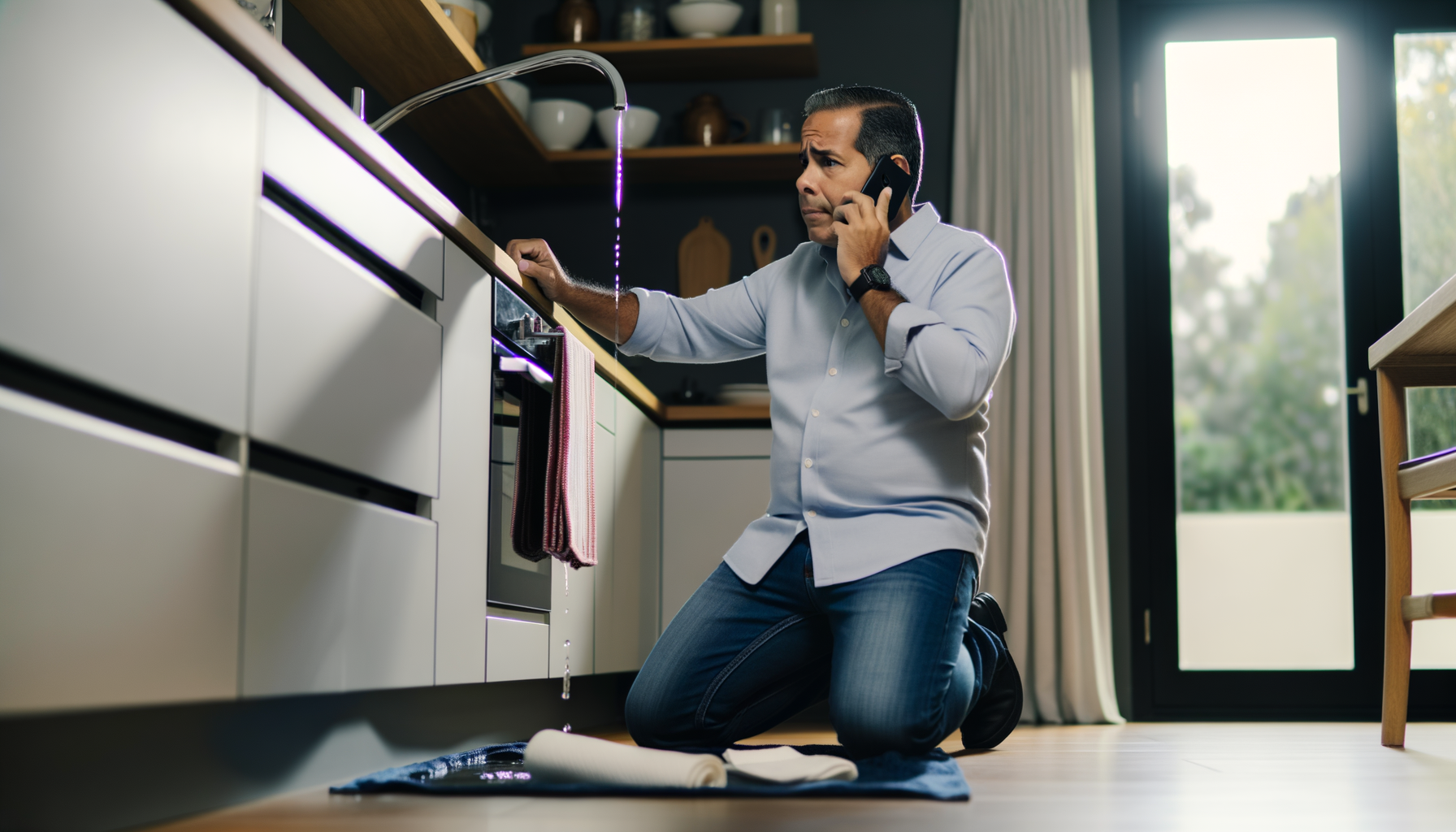
When choosing a plumber under pressure, start by asking trusted neighbors, family, or friends for immediate recommendations. Have your address, problem description, and budget ready before calling. Verify licensing and insurance quickly, get upfront pricing, and trust your instincts about their professionalism during the initial conversation.
Why Do Plumbing Emergencies Feel So Overwhelming?
When water is gushing from a burst pipe or your toilet won't stop overflowing, the pressure to find help immediately can cloud your judgment. Most homeowners panic and grab the first plumber they find online, often leading to overcharging, poor work, or unreliable service. The key is having a systematic approach that works even when you're stressed. Emergency situations don't have to mean emergency decisions. By knowing exactly what steps to take and what questions to ask, you can find a trustworthy plumber quickly without compromising on quality or falling victim to price gouging. The most successful approach combines the reliability of personal recommendations with practical preparation steps that help you stay focused when crisis strikes.
What's Your First Move When the Pipes Burst?
Before you even start looking for a plumber, take these immediate steps to minimize damage and set yourself up for success:
- Turn off the main water supply to stop additional flooding and give yourself breathing room to make good decisions
- Take photos of the damage for insurance purposes and to show potential plumbers the scope of work
- Move valuables and furniture away from the affected area to prevent further losses
- Text or call three people in your network immediately - neighbors, family members, or coworkers who might have plumber recommendations
- Gather essential information: your exact address, a clear description of the problem, and your budget range
- Create a list of questions to ask each plumber before you start making calls
Who Should You Call First for Recommendations?
Your personal network is your most valuable resource for finding a trustworthy plumber quickly. Start with neighbors who have similar homes - they've likely dealt with comparable plumbing issues and can recommend someone familiar with your area's specific challenges. Next, reach out to family members or close friends who are homeowners. Even if they live in different areas, they might know someone who works throughout your region. Don't overlook workplace connections - coworkers, especially those who've lived in your area for several years, often have great recommendations. Local Facebook groups and community forums can also provide rapid-fire suggestions from people who've recently used plumbers. The advantage of personal recommendations is that people will tell you not just who to call, but who to avoid, along with honest feedback about pricing, punctuality, and work quality.
What Questions Quickly Separate Good Plumbers from Bad?
When you're calling plumbers under pressure, these questions will help you assess reliability fast:
- Are you licensed and insured in this state? (Ask for license number)
- What's your typical response time for emergencies like this?
- Can you provide an estimate over the phone or do you charge for estimates?
- What's your hourly rate and do you charge extra for emergency calls?
- Do you guarantee your work and for how long?
- Can you provide references from recent customers?
- What payment methods do you accept and when is payment due?
- Will you clean up after the job is completed?
How Do You Spot Red Flags When Time Is Short?
Even under pressure, certain warning signs should make you immediately move on to the next option. If a plumber demands full payment upfront, especially in cash only, that's a major red flag. Professional plumbers typically ask for payment upon completion or a small deposit at most. Be suspicious of quotes that seem unusually high or low compared to others - both extremes often indicate problems. High quotes might be taking advantage of your emergency, while extremely low quotes often mean corners will be cut or surprise charges will appear later. Door-to-door solicitation during your emergency is another serious warning sign, as is reluctance to provide licensing information or references. Trust your gut about phone conversations too - professional plumbers will sound knowledgeable, ask relevant questions about your problem, and communicate clearly about timing and costs.
What Information Should You Have Ready Before Making Calls?
Having this information organized will help you get faster, more accurate responses from plumbers:
- Your complete address including any special access instructions or gate codes
- A detailed description of the problem including when it started and what might have triggered it
- The age of your home and any recent plumbing work that's been done
- Your preferred time windows for service calls and how flexible your schedule is
- Your budget range or insurance information if this will be a covered claim
- Contact information for multiple people who can let the plumber in if needed
How Do You Verify Credentials Quickly During an Emergency?
Most states have online databases where you can verify plumber licenses within minutes. Search for your state's contractor licensing board website and enter the license number the plumber provides. This will show you if their license is current, if there are any complaints against them, and sometimes their insurance information. For insurance verification, don't just take their word - ask them to email or text you a photo of their current insurance certificate. Many legitimate plumbers carry this information on their phones specifically for situations like this. You can also do a quick Google search of their business name plus your city to see recent reviews and check their Better Business Bureau rating. While you shouldn't spend hours researching during an emergency, these quick checks can save you from costly mistakes and give you peace of mind.
What's the Smart Way to Handle Emergency Pricing?
Emergency plumbing calls often come with premium pricing, but you shouldn't have to pay outrageous rates even in crisis situations. Get quotes from at least three plumbers if possible, and ask each one to break down their pricing structure. Some charge emergency fees (typically $50-150 extra), while others just have higher hourly rates for after-hours calls. Ask specifically about their diagnostic fee - some plumbers charge $75-150 just to assess the problem, while others apply this fee toward the total cost if you hire them. Be wary of estimates that seem dramatically different from others without clear explanations. A good plumber should be able to explain their pricing structure clearly and help you understand what drives the costs. Remember that the cheapest option isn't always the best value, especially in emergency situations where you need reliable, lasting repairs.
How Do You Prepare Your Home for the Plumber's Arrival?
While waiting for your chosen plumber, these preparation steps will help ensure efficient service:
- Clear a path to the problem area and remove any obstacles that might slow down the work
- Locate your home's main water shutoff valve and any relevant circuit breakers in case they're needed
- Gather any documentation about previous plumbing work, warranties, or your home's plumbing layout if available
- Secure pets in another area of the house to avoid distractions and ensure everyone's safety
- Have your payment method ready and confirm the final price before work begins
- Prepare a list of any other plumbing concerns you've noticed so you can ask about them while the plumber is there
The best emergency plumber is the one your neighbor used last month and couldn't stop praising. Personal recommendations carry more weight than any online review because real people stake their reputation on their suggestions.
Mike Chen, Home Maintenance Specialist
How Can You Build Relationships for Future Emergencies?
Once you find a reliable plumber through your emergency situation, nurture that relationship for the long term. Get their direct contact information and ask about their preferred method for scheduling future service calls. Many good plumbers offer priority scheduling and better rates to repeat customers. Keep their contact information in multiple places - your phone, a list on your refrigerator, and in your home maintenance file. Consider having them do annual maintenance checks or small repairs to maintain the relationship and catch problems before they become emergencies. Ask if they offer service agreements or maintenance plans that could save you money and guarantee faster response times. Building a relationship with a trusted plumber means you'll never have to go through the stressful emergency selection process again, and you'll have someone who knows your home's plumbing history and specific needs.
Frequently Asked Questions
How much extra should I expect to pay for emergency plumbing services?
Emergency plumbing typically costs 25-50% more than regular service calls. Most plumbers charge an emergency fee of $50-150 plus their standard rates, or higher hourly rates for after-hours calls.
Should I try to fix the plumbing problem myself while waiting for help?
Stick to basic steps like shutting off water supply and cleaning up. Avoid attempting repairs yourself as this can worsen damage and potentially void insurance coverage for the incident.
Is it safe to hire the first plumber who can come out immediately?
Not necessarily. While speed matters in emergencies, take a few minutes to verify their license and insurance. Legitimate emergency plumbers understand and expect these basic verification requests.
What payment methods do most emergency plumbers accept?
Most accept cash, checks, and credit cards. Be wary of plumbers who only accept cash or demand full payment upfront. Professional plumbers typically request payment upon completion of work.
How can I tell if an emergency plumber is taking advantage of my situation?
Warning signs include prices dramatically higher than quotes from others, pressure to sign contracts immediately, demands for full upfront payment, or reluctance to provide licensing information and references.
Take Action
Before your next plumbing emergency strikes, reach out to three homeowners in your network and ask who they recommend for plumbing services. Save their contact information where you can find it quickly when you need it most.
Finding a trustworthy plumber during an emergency doesn't have to be a gamble. By leveraging your personal network for recommendations, preparing the right questions, and knowing how to spot red flags quickly, you can make confident decisions even under pressure. The key is having a systematic approach that combines the reliability of word-of-mouth referrals with practical verification steps. Remember that the relationships you build during emergency situations often become valuable long-term partnerships for maintaining your home. Take time now, before you need it, to cultivate connections with neighbors and friends who can provide reliable recommendations when crisis strikes.