
How to Choose an HVAC Contractor You Can Trust
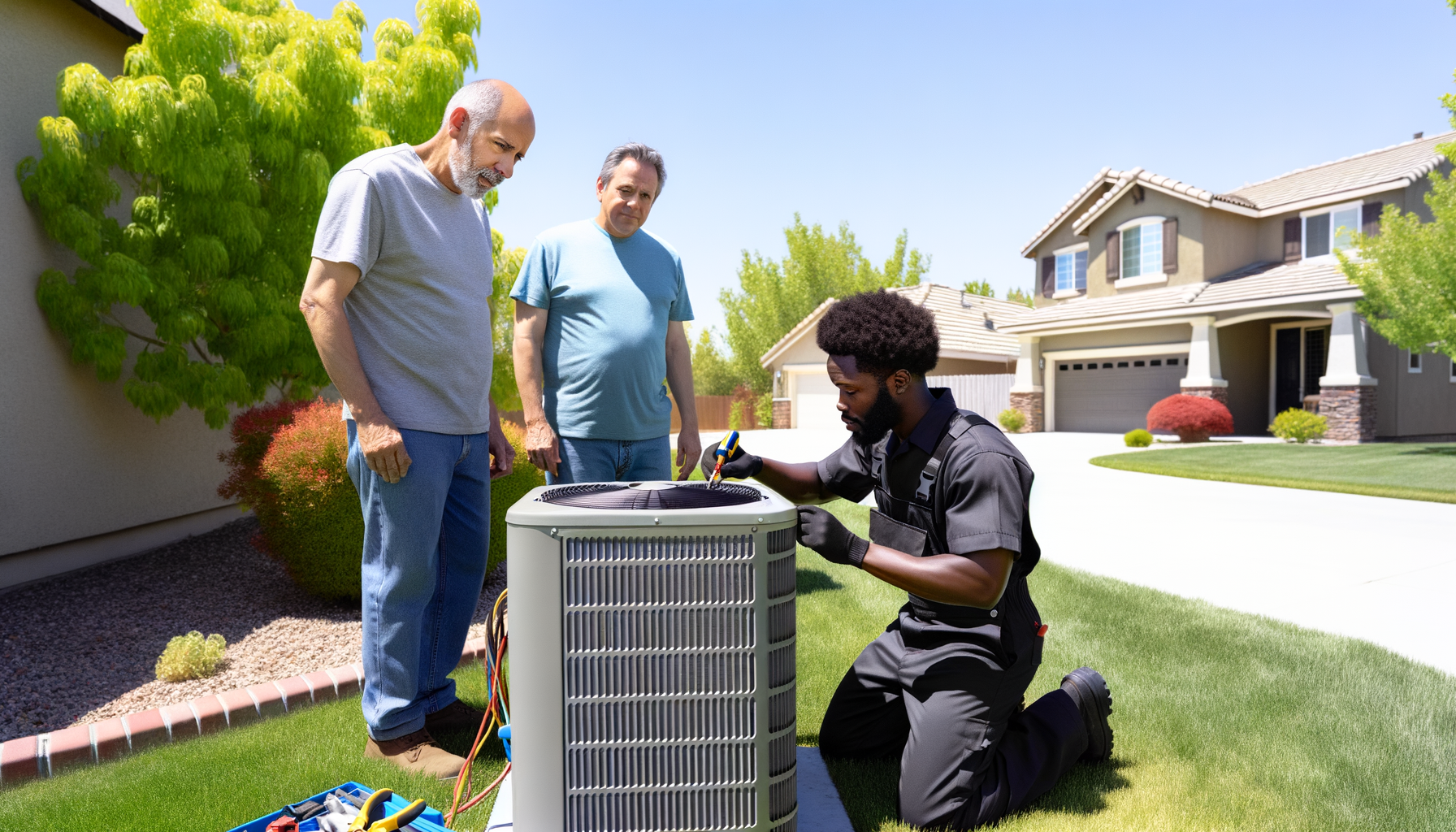
Start by asking neighbors, friends, and local social media groups for HVAC contractor recommendations. Get at least three detailed quotes, verify licenses and insurance, and check references from recent jobs. Choose contractors who explain options clearly and provide transparent pricing over those pushing expensive upgrades immediately.
Why Do Personal Recommendations Matter Most for HVAC Work?
When your heating or cooling system fails, you need contractors who will show up, do quality work, and stand behind their installation. Personal recommendations from people you trust provide insights that online reviews simply cannot match. Your neighbor can tell you whether the contractor cleaned up properly, arrived on time, and how the system has performed months later. Friends who've had HVAC work done recently can share real experiences about pricing, communication, and problem-solving when issues arose. Local community groups on social media often have active discussions about contractors, with multiple residents sharing experiences about the same companies. This collective knowledge helps you identify contractors with consistent track records in your specific area and climate conditions.
What Questions Should You Ask When Getting Referrals?
When someone recommends an HVAC contractor, dig deeper to understand their full experience:
- How long ago was the work completed and how has the system performed since?
- Did they provide multiple options and explain the differences clearly?
- Were there any surprises with pricing or timeline during the project?
- How did they handle permits and inspections?
- Would you use them again for future HVAC work?
- Did they service the system after installation or help with warranty issues?
How Should You Prepare Before Contacting HVAC Contractors?
Preparation dramatically improves your chances of getting accurate quotes and identifying the best contractor for your situation. Start by gathering information about your current system including the age, brand, model numbers, and any recurring problems you've experienced. Take photos of your current equipment, ductwork, and electrical connections. Measure your home's square footage and note any additions or renovations since the original system installation. Research your local climate zone and energy efficiency rebates available in your area. Create a list of your priorities such as energy efficiency, quiet operation, or smart home integration. This preparation allows contractors to provide more accurate estimates and demonstrates you're a serious, informed customer who values their expertise.
What Information Should You Gather Before Getting Quotes?
- Current system age, brand, and model numbers
- Home square footage and ceiling heights
- Photos of existing equipment and installation area
- List of current system problems or concerns
- Available electrical capacity and gas line information
- Local permit requirements and HOA restrictions
- Available rebates and financing options in your area
- Your timeline and budget range expectations
How Many Quotes Should You Get and What Should They Include?
Getting three detailed quotes provides the best balance of comparison options without overwhelming complexity. Each quote should include specific equipment models, efficiency ratings, warranty terms, and a detailed breakdown of labor and materials costs. Quality contractors will perform a load calculation to properly size your system rather than simply matching your old unit. They should explain different equipment options, efficiency levels, and how each choice affects your energy bills. The quote should specify what's included in installation such as permits, electrical work, ductwork modifications, and cleanup. Pay attention to contractors who take time to understand your needs and explain options versus those who provide generic proposals or pressure you to decide immediately.
What Steps Should You Follow During the Quote Process?
A systematic approach to getting and comparing quotes protects you from costly mistakes:
- Schedule all estimates within a one-week period for consistent comparison
- Have the same family member present for all estimates to ensure consistent information
- Ask each contractor to explain their load calculation and sizing methodology
- Request specific equipment model numbers and efficiency ratings for comparison
- Get timeline estimates and ask about potential delays or complications
- Understand what work is included versus additional costs for electrical or ductwork
- Ask about ongoing maintenance requirements and service availability
- Get everything in writing before making your decision
What Red Flags Should You Watch for During the Selection Process?
Several warning signs can help you identify contractors to avoid before problems occur. Door-to-door solicitation, especially after storms, often indicates high-pressure sales tactics rather than established local businesses. Contractors who demand full payment upfront or only accept cash payments should be avoided entirely. Be wary of quotes that are significantly higher or lower than others without clear explanations for the difference. Pressure tactics like limited-time offers or claims that you must decide immediately suggest the contractor prioritizes sales over service. Contractors who cannot provide local references, proper licensing, or insurance documentation are significant risks. Additionally, companies that recommend dramatically oversized or undersized systems compared to other quotes may lack proper technical expertise.
How Do You Verify a Contractor's Credentials and Reputation?
Thorough verification protects you from unqualified contractors and potential fraud:
- Check state and local licensing requirements and verify current status
- Confirm insurance coverage including liability and workers compensation
- Look up Better Business Bureau ratings and complaint history
- Ask for and actually call recent customer references
- Verify manufacturer certifications for the equipment brands they recommend
- Check if they're members of professional associations like ACCA
- Search for the company name with terms like 'complaint' or 'problems' online
What Questions Should You Ask References Before Hiring?
Speaking directly with recent customers provides invaluable insights into what you can expect. Ask about the overall project timeline and whether the contractor met promised deadlines. Find out if there were any unexpected costs or changes to the original quote. Inquire about the cleanliness and professionalism of the installation crew and whether they protected floors and belongings during work. Ask about system performance since installation and whether the contractor provided adequate training on operating the new equipment. Understanding how the contractor handled any problems or warranty issues that arose gives you insight into their long-term service commitment. References can also share whether they would hire the same contractor again and if they've recommended them to others.
How Do You Evaluate Different Equipment Options and Efficiency Levels?
HVAC contractors should explain equipment options clearly and help you understand how different efficiency levels affect your comfort and energy costs. Higher efficiency systems cost more upfront but provide ongoing savings through reduced energy bills. Consider your local climate, current energy costs, and how long you plan to stay in your home when evaluating efficiency investments. Some contractors may push premium equipment that exceeds your actual needs, while others might recommend basic models to win your business with lower prices. The best contractors help you find the right balance of upfront cost, operating efficiency, and features for your specific situation. They should also explain maintenance requirements, warranty coverage, and expected lifespan for different equipment options.
What Should You Expect During Installation and How Do You Ensure Quality Work?
Quality HVAC installation involves much more than simply connecting new equipment. Professional contractors obtain proper permits, coordinate inspections, and ensure all work meets local codes. They protect your home during installation, clean up thoroughly, and test all system functions before completion. Expect the contractor to walk you through system operation, show you how to change filters, and explain maintenance requirements. They should provide warranty documentation for both equipment and installation work. During installation, don't hesitate to ask questions about the work being performed. Quality contractors welcome customer interest and take time to explain what they're doing and why.
Frequently Asked Questions
How long should HVAC installation take?
Most residential HVAC replacements take 1-2 days for straightforward installations. Complex jobs involving ductwork modifications, electrical upgrades, or difficult access may require additional time. Quality contractors provide realistic timelines upfront.
Should I get quotes during peak season?
Getting quotes during shoulder seasons (spring and fall) often provides better pricing and faster scheduling. However, if your system fails during peak season, focus on finding quality contractors even if costs are higher.
How much should I pay upfront for HVAC installation?
Reputable contractors typically request small deposits (10-20%) to schedule work, with remaining payment due upon completion. Never pay large amounts upfront or full payment before installation begins.
What warranties should I expect on new HVAC systems?
Equipment warranties typically range from 5-12 years depending on components and efficiency levels. Installation workmanship warranties should be at least one year. Get all warranty terms in writing before work begins.
Can I install HVAC equipment myself to save money?
HVAC installation requires specialized skills, tools, and licensing in most areas. Improper installation voids equipment warranties and can create safety hazards. Professional installation ensures proper performance and code compliance.
How do I know if my ductwork needs replacement?
Signs include visible damage, inconsistent temperatures, high energy bills, and excessive dust. Quality HVAC contractors inspect ductwork during estimates and recommend repairs or replacement when necessary for optimal system performance.
Take Action
Before searching online, reach out to three neighbors or friends who've had HVAC work done recently. Ask about their experience and whether they'd recommend their contractor. Personal recommendations from people you trust provide the most reliable starting point for finding quality HVAC professionals.
Choosing the right HVAC contractor requires more than comparing prices online. The best contractors are found through personal networks of neighbors, friends, and community members who can share real experiences about quality, reliability, and service. Take time to prepare before getting quotes, verify credentials thoroughly, and ask detailed questions about both the equipment and installation process. Remember that HVAC replacement is a significant investment in your home's comfort and efficiency. Building a relationship with a trustworthy contractor pays dividends through proper installation, ongoing maintenance, and reliable service when you need it most.