
How Routine Vet Visits Prevent Costly Pet Emergencies
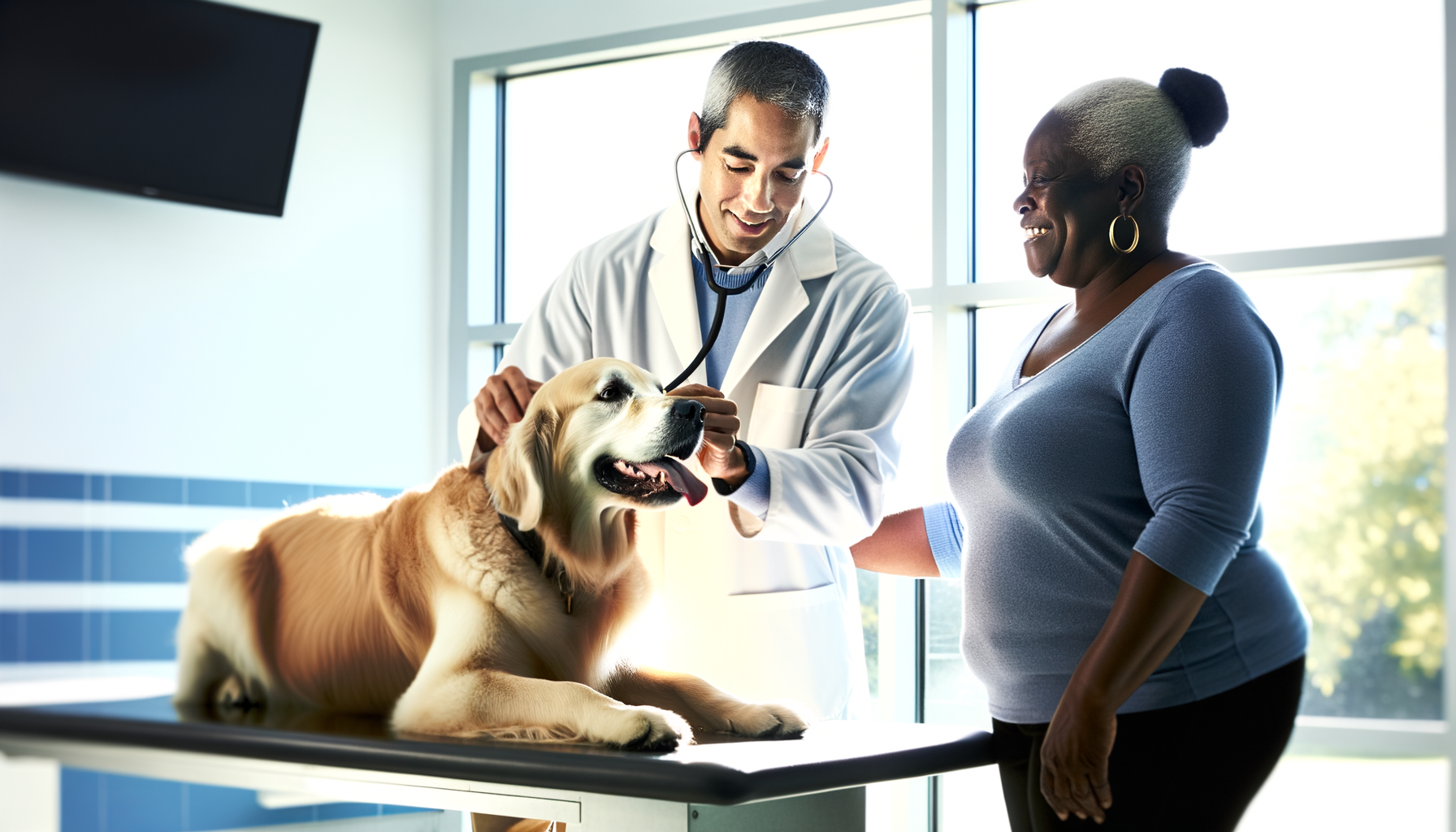
Routine veterinary visits prevent emergencies by detecting health issues before they become critical. Regular checkups catch diseases early when treatment is less invasive and more affordable, while vaccinations and preventive care stop many problems from developing altogether.
Why Do Early Health Problems Often Go Unnoticed?
Pets instinctively hide pain and illness—a survival mechanism from their wild ancestors. By the time obvious symptoms appear, conditions have often progressed significantly. Dogs might continue eating normally while developing kidney disease, and cats can mask heart problems until they're in crisis. Veterinarians are trained to detect subtle changes in behavior, body condition, and vital signs that pet owners might miss. During routine exams, vets check for early indicators like slight weight changes, dental disease, skin abnormalities, and organ function through palpation and observation. This professional assessment catches problems months or even years before they would become apparent to pet owners.
What Health Issues Are Most Commonly Caught During Routine Visits?
Regular veterinary examinations consistently identify these prevalent health concerns before they require emergency intervention:
- Dental disease affecting 80% of dogs and 70% of cats by age 3, which can lead to heart and kidney problems if untreated
- Obesity-related complications including diabetes, joint disease, and respiratory issues that develop gradually over time
- Skin conditions and parasites that can cause secondary infections and systemic illness when left unaddressed
- Heart murmurs and early cardiac disease that may show no symptoms until advanced stages
- Kidney and liver dysfunction detectable through blood work before clinical signs appear
- Cancer and tumors that are more treatable when discovered early through physical examination
How Do Vaccinations Prevent Emergency Situations?
Vaccinations create immunity against diseases that frequently cause life-threatening emergencies. Parvovirus in puppies can require thousands of dollars in intensive care and has a high mortality rate, yet it's completely preventable with proper vaccination. Rabies exposure requires immediate emergency treatment and quarantine protocols that are entirely avoidable through routine vaccination. Core vaccines protect against diseases like distemper, hepatitis, and panleukopenia that often present as sudden, severe illness requiring hospitalization. Non-core vaccines prevent region-specific diseases like Lyme disease and kennel cough that can lead to chronic health problems. Keeping vaccinations current through routine visits eliminates the risk of these preventable diseases and the associated emergency veterinary costs.
What Preventive Treatments Save Money Long-Term?
These routine preventive measures administered during regular visits prevent expensive emergency treatments:
- Heartworm prevention costs $10-15 monthly versus $1,000-3,000 for heartworm treatment
- Flea and tick prevention prevents disease transmission and costly skin infection treatments
- Regular dental cleanings prevent tooth extractions, oral surgery, and systemic infections
- Parasite screening and deworming prevent intestinal blockages and severe digestive issues
- Spaying and neutering prevent reproductive cancers and life-threatening conditions like pyometra
- Senior wellness panels detect organ dysfunction before expensive emergency interventions are needed
How Often Should Different Pets Have Routine Checkups?
Checkup frequency depends on your pet's age, health status, and risk factors. Puppies and kittens need visits every 3-4 weeks until 16 weeks old for vaccination series and development monitoring. Healthy adult pets typically need annual examinations, though some veterinarians recommend twice-yearly visits to catch problems earlier. Senior pets (over 7-8 years depending on size) benefit from every 6-month checkups because aging accelerates disease development. Pets with chronic conditions like diabetes, kidney disease, or heart problems may need quarterly visits to monitor treatment effectiveness and adjust medications. Breeds prone to specific conditions might need more frequent screening—large dogs for hip dysplasia, flat-faced breeds for breathing problems, or small dogs for dental issues.
What Should You Expect During a Comprehensive Routine Visit?
A thorough veterinary examination includes these essential components:
- Weight and body condition assessment to detect gradual changes
- Complete physical examination from nose to tail including palpation of organs
- Dental examination to check for disease, tartar, and oral health issues
- Eye and ear examination for infections, injuries, or age-related changes
- Heart and lung evaluation using stethoscope to detect murmurs or irregularities
- Skin and coat inspection for parasites, lumps, or abnormalities
- Discussion of diet, exercise, behavior, and any owner concerns
- Vaccination updates based on your pet's lifestyle and risk factors
- Parasite prevention and screening recommendations
- Blood work or other diagnostics if age or health status indicates need
How Do You Choose the Right Veterinarian for Routine Care?
Finding a trusted veterinarian is crucial for effective preventive care. Look for practices that emphasize wellness and preventive medicine, not just treatment of sick animals. The best vets take time to educate pet owners and answer questions thoroughly. Consider factors like location convenience for regular visits, after-hours emergency availability, and staff knowledge and friendliness. Modern equipment and clean facilities indicate a commitment to quality care. Personal connections matter significantly in veterinary relationships—you want a vet who knows your pet's history and personality. Reading reviews helps, but personal recommendations from other pet owners in your community provide the most valuable insights into a veterinarian's approach to preventive care and client communication.
I've seen too many pet owners wait until their animal is in crisis to seek veterinary care. The pets that live the longest, healthiest lives are those whose owners prioritize preventive care. Early detection changes everything—it's the difference between managing a condition and fighting for your pet's life.
Dr. Jennifer Coleman, Emergency Veterinarian, Austin Animal Medical Center
What Are the True Costs of Skipping Routine Veterinary Care?
The financial impact of avoiding routine care often becomes apparent only during emergencies. A routine dental cleaning costs $500-800, while emergency tooth extraction and treatment of resulting infection can exceed $2,000. Annual blood work detecting early kidney disease allows for dietary management costing hundreds yearly, compared to thousands for emergency dialysis and intensive treatment of kidney failure. Undiagnosed heart conditions can lead to sudden heart failure requiring immediate hospitalization, oxygen therapy, and intensive monitoring costing $3,000-5,000. Beyond financial costs, emergency situations cause tremendous stress for pets and families, often requiring difficult treatment decisions under pressure. Many emergency conditions caught late have poorer prognoses than the same diseases detected and treated early through preventive care.
Frequently Asked Questions
How much do routine vet visits typically cost?
Routine veterinary visits typically cost $50-200 for the examination, with additional charges for vaccinations ($20-100) and preventive treatments ($30-150). Senior wellness panels may add $100-300, but early detection prevents much costlier emergency treatments.
Can I skip routine visits if my pet seems healthy?
No, healthy-appearing pets often have developing health issues that only veterinary examination can detect. Many serious conditions show no obvious symptoms until advanced stages, making routine checkups essential for early intervention and prevention.
What's the difference between wellness visits and sick visits?
Wellness visits focus on prevention, early detection, and maintaining health through vaccinations and screenings. Sick visits address specific symptoms or problems. Wellness visits prevent many conditions that would otherwise require sick visits or emergencies.
How do I prepare my pet for routine veterinary visits?
Prepare by fasting your pet if blood work is planned, bringing previous medical records, listing any behavioral changes or concerns, and bringing a stool sample if requested. Keep pets calm with familiar blankets or toys.
Should indoor-only pets have the same vaccination schedule?
Indoor pets still need core vaccinations like rabies (legally required) and distemper combination vaccines. However, they may not need certain vaccines like kennel cough or Lyme disease. Your veterinarian will customize recommendations based on lifestyle and local disease risks.
When should puppies and kittens start routine veterinary care?
Puppies and kittens should see a veterinarian within a few days of adoption or by 6-8 weeks of age. They need vaccination series every 3-4 weeks until 16 weeks old, plus deworming, parasite prevention, and spay/neuter planning.
Find a Trusted Veterinarian
Choosing the right veterinarian for your pet's routine care is crucial for preventing emergencies. Tools like Linked By Six help you discover which local veterinary practices your friends and neighbors already trust, giving you confidence in your choice before you even schedule that first appointment.
Routine veterinary visits are your pet's best defense against health emergencies and costly treatments. By investing in regular checkups, vaccinations, and preventive care, you're not just saving money—you're giving your pet the best chance at a long, healthy life. The peace of mind that comes from knowing problems will be caught early, combined with the financial protection against expensive emergencies, makes routine veterinary care one of the most important investments you can make in your pet's wellbeing. Remember, the goal isn't just to treat disease, but to prevent it entirely through consistent, proactive healthcare.