
How Routine HVAC Maintenance Extends Your System's Life
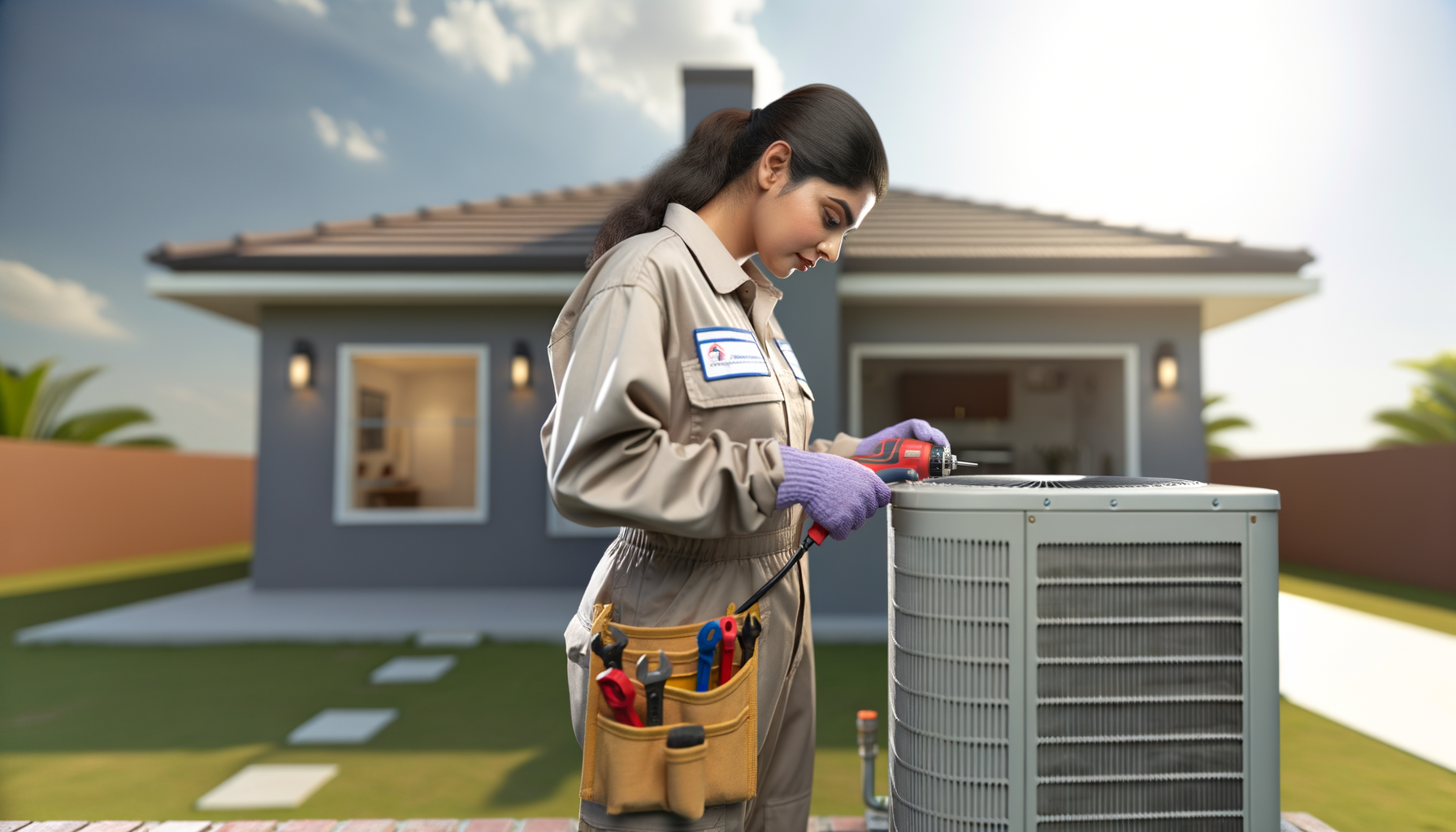
Regular HVAC maintenance typically extends system lifespan from 10-15 years to 20-25 years by preventing component wear, maintaining efficiency, and catching problems early. Simple tasks like filter changes and annual professional inspections can double your system's life expectancy.
Why Does Regular Maintenance Matter So Much?
Your HVAC system works harder than almost any other appliance in your home, running thousands of hours each year. Without proper maintenance, components accumulate dirt, filters clog, and moving parts wear down prematurely. Think of it like your car—regular oil changes and tune-ups prevent expensive engine problems. The same principle applies to your heating and cooling system. A well-maintained HVAC system experiences less stress on its components, operates more efficiently, and encounters fewer unexpected breakdowns. The difference between a neglected system and a properly maintained one can literally be decades of reliable service versus costly emergency repairs and premature replacement.
What Are the Key Maintenance Tasks That Extend Lifespan?
Several critical maintenance activities directly impact your system's longevity:
- Filter replacement every 1-3 months prevents airflow restrictions that force your system to work harder
- Annual professional inspections catch small issues before they become major component failures
- Coil cleaning maintains heat transfer efficiency and prevents system overwork
- Refrigerant level checks ensure proper cooling capacity without straining the compressor
- Ductwork inspection and sealing prevents air loss that makes your system run longer cycles
- Thermostat calibration ensures accurate temperature control and optimal cycling
How Much Longer Will Your System Last With Proper Care?
The lifespan extension depends on your system type and maintenance consistency:
- Central air conditioning systems: Extend from 12-15 years to 20-25 years with regular maintenance
- Heat pumps: Increase lifespan from 10-15 years to 18-22 years when properly serviced
- Gas furnaces: Extend from 15-20 years to 25-30 years with annual tune-ups and filter changes
- Boiler systems: Can last 30-40 years instead of 15-20 years with proper maintenance and water treatment
What Happens When You Skip Maintenance?
Neglected HVAC systems follow a predictable path of decline. Dirty filters restrict airflow, forcing the system to run longer to achieve desired temperatures. This extra runtime stresses components like fans, compressors, and heat exchangers. Accumulated dirt on coils reduces heat transfer efficiency, making your system work even harder. Small issues like loose electrical connections or worn belts gradually worsen until they cause complete system failures. The compressor, often the most expensive component, bears the brunt of this stress and typically fails years earlier than it should. What started as deferred maintenance becomes a cascade of increasingly expensive repairs, ultimately requiring full system replacement at the worst possible time—usually during extreme weather when you need it most.
What Should You Include in Your Maintenance Schedule?
Create a comprehensive maintenance routine with these essential tasks:
- Change air filters every 1-3 months (more frequently with pets or allergies)
- Schedule professional inspection and tune-up twice yearly (spring and fall)
- Clean outdoor unit coils and remove debris monthly during operating season
- Check thermostat operation and replace batteries annually
- Inspect ductwork for leaks or damage every few years
- Test safety controls and carbon monoxide detectors regularly
- Keep maintenance records to track service history and warranty compliance
How Do You Find Qualified HVAC Technicians?
The quality of professional maintenance directly impacts how well it extends your system's life. Experienced technicians know what to look for and how to perform thorough inspections that catch problems early. They understand manufacturer specifications, proper refrigerant handling, and safety protocols. A skilled technician will explain what they're doing, show you any issues they find, and provide clear recommendations for repairs or improvements. They'll also keep detailed service records that help track your system's performance over time. The relationship you build with a trusted HVAC professional becomes invaluable—they learn your system's quirks and can spot changes that might indicate developing problems. This ongoing relationship approach to maintenance delivers far better results than using different services each time.
What Are the Financial Benefits of Extended System Life?
The math on HVAC maintenance is compelling. Annual professional maintenance typically costs $150-300, while filter replacements add another $50-100 yearly. Compare this to the $5,000-15,000 cost of premature system replacement. If maintenance extends your system's life by even five years, you save thousands in replacement costs while enjoying lower energy bills from improved efficiency. Well-maintained systems also have higher resale value and fewer emergency repair calls. Many manufacturers require proof of regular maintenance to honor warranty claims, making documentation crucial for protecting your investment. The predictability of scheduled maintenance also helps with budgeting, avoiding the financial shock of unexpected major repairs or replacements during peak heating or cooling seasons.
We see systems that should have lasted 20 years fail after 8-10 years simply because they never received basic maintenance. It's heartbreaking because it's completely preventable.
Mike Rodriguez, Master HVAC Technician with 25 years experience
How Does Maintenance Improve System Efficiency?
Maintenance doesn't just extend lifespan—it keeps your system operating efficiently throughout its life. Clean filters ensure proper airflow, while clean coils maintain optimal heat transfer. Properly calibrated thermostats prevent unnecessary cycling, and sealed ductwork ensures conditioned air reaches its destination. These efficiency improvements translate to lower energy bills and reduced environmental impact. A well-maintained system can maintain 95% of its original efficiency for decades, while neglected systems lose 5-10% efficiency annually. This efficiency decline not only increases operating costs but also forces the system to run longer to achieve desired temperatures, accelerating wear and tear. Regular maintenance breaks this cycle, keeping your system running like new for years longer than it would otherwise.
Frequently Asked Questions
How often should I have professional HVAC maintenance?
Schedule professional maintenance twice yearly—spring for cooling system preparation and fall for heating system tune-up. This timing ensures your system is ready for peak usage seasons.
Can I perform HVAC maintenance myself?
You can handle basic tasks like filter changes and outdoor unit cleaning, but professional maintenance requires specialized tools and expertise for refrigerant, electrical, and safety system checks.
How much does regular HVAC maintenance cost?
Annual professional maintenance typically costs $150-300, plus $50-100 yearly for filters. This investment prevents thousands in premature replacement costs and reduces energy bills through improved efficiency.
What happens if I skip maintenance for several years?
Skipping maintenance accelerates component wear, reduces efficiency by 5-10% annually, increases breakdown risk, and can cut your system's lifespan in half while voiding manufacturer warranties.
Does maintenance really double system lifespan?
Yes, well-maintained HVAC systems regularly last 20-25 years compared to 10-15 years for neglected systems. Consistent filter changes and professional tune-ups prevent premature component failure.
When should I replace my HVAC system despite maintenance?
Consider replacement when repair costs exceed 50% of replacement value, efficiency drops significantly despite maintenance, or the system is over 20 years old with frequent breakdowns.
Find Your Trusted HVAC Professional
Don't trust your expensive HVAC system to just anyone. Tools like Linked By Six automatically show you which local HVAC companies your friends and colleagues already trust—helping you find proven professionals before you search. See your network's recommendations and start extending your system's lifespan today.
Regular HVAC maintenance is the single most important factor in extending your system's lifespan. Simple tasks like filter changes combined with professional tune-ups can literally double how long your system lasts, saving thousands in premature replacement costs. The key is consistency—maintaining your system year after year, not just when problems arise. With proper care from qualified professionals, your HVAC investment will provide decades of reliable comfort while maintaining efficiency and avoiding costly emergency repairs. Start your maintenance routine today, and your future self will thank you when your system is still running strong years after your neighbors have replaced theirs.