
How Routine Cleaning Protects Your Home's Long-Term Health
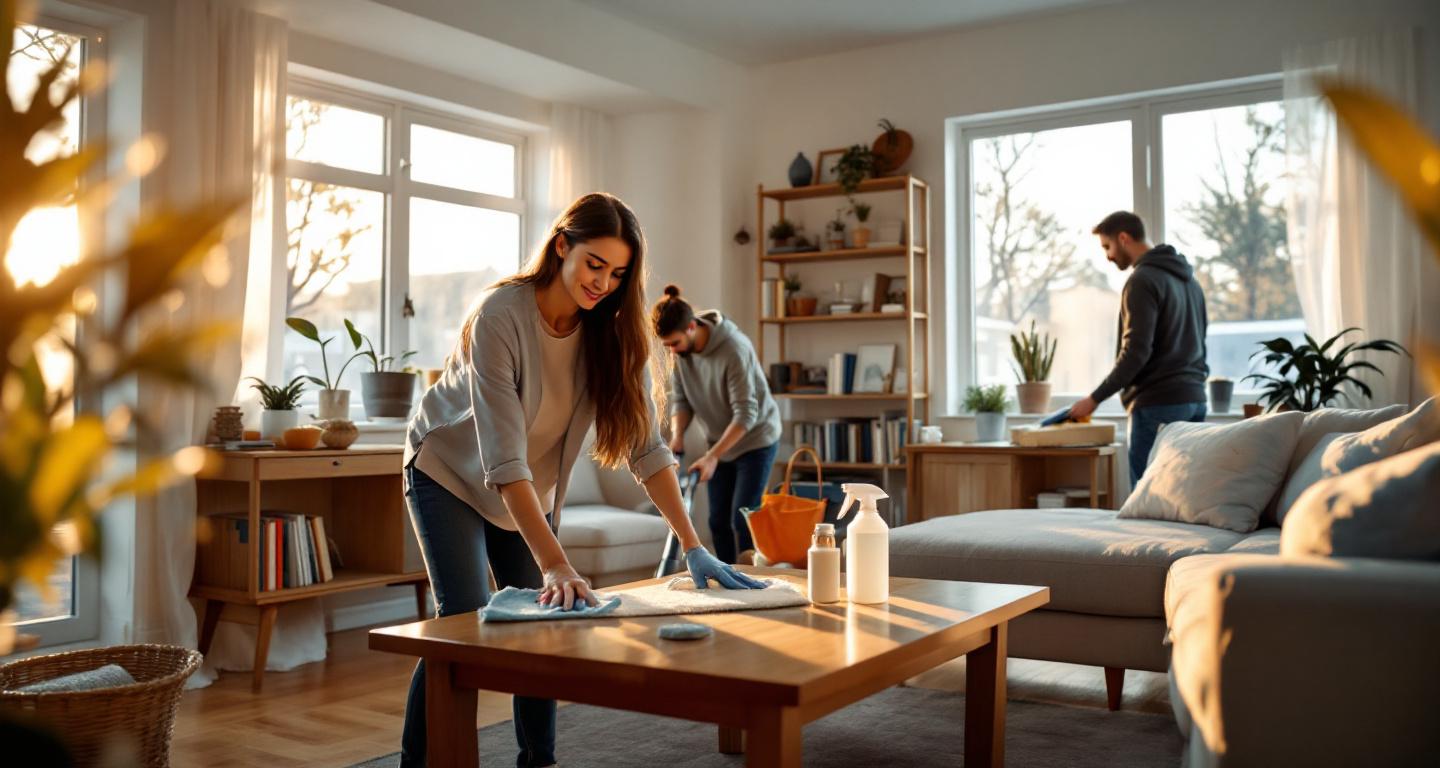
Routine cleaning prevents structural damage, maintains indoor air quality, preserves home value, and reduces long-term repair costs. Regular maintenance removes harmful contaminants, prevents mold growth, protects surfaces from premature wear, and creates healthier living environments for families.
Why Does Regular Cleaning Prevent Structural Damage?
Your home's structural integrity depends on more than just its foundation and framing. Dust, moisture, and debris create conditions that accelerate wear and damage to critical building materials. When dirt accumulates in HVAC systems, it forces equipment to work harder, leading to premature failure and costly replacements. Moisture trapped in uncleaned areas creates perfect breeding grounds for mold, which can compromise wooden structures and insulation. Regular cleaning removes these threats before they cause permanent damage. Consistent maintenance of gutters, windows, and ventilation systems prevents water intrusion that leads to rot, foundation issues, and expensive structural repairs. Professional cleaning services understand which areas require specialized attention and can identify potential problems before they become major expenses.
What Are the Hidden Health Risks of Poor Home Hygiene?
Beyond visible dirt, neglected cleaning creates serious health hazards that accumulate over time:
- Allergen buildup in carpets and upholstery triggers respiratory issues and worsens asthma symptoms
- Dust mites multiply in bedding and fabric, causing persistent allergic reactions and sleep disruption
- Mold spores develop in damp areas, leading to serious respiratory problems and immune system stress
- Pet dander and pollen accumulate in hidden spaces, creating year-round allergy symptoms
- Bacterial growth on surfaces increases risk of infections, especially in kitchens and bathrooms
- Chemical residues from cleaning products can create toxic environments when used incorrectly
- Poor ventilation traps pollutants indoors, creating air quality worse than outdoor environments
How Often Should Different Areas Be Cleaned?
Strategic cleaning schedules maximize health benefits while protecting your investment:
- Daily: Kitchen surfaces, bathroom sinks, and high-touch areas like door handles and light switches to prevent bacterial growth
- Weekly: Vacuum all carpeted areas, mop hard floors, clean bathrooms thoroughly, and dust furniture to maintain air quality
- Monthly: Deep clean appliances, wash windows, organize storage areas, and inspect for maintenance issues
- Seasonally: Clean HVAC filters, pressure wash exterior surfaces, deep clean carpets, and service major appliances
- Annually: Professional duct cleaning, carpet deep cleaning, exterior window washing, and comprehensive home inspection
How Does Cleaning Preserve Your Home's Market Value?
Real estate professionals consistently report that well-maintained homes sell faster and for higher prices than neglected properties. Routine cleaning preserves finishes, prevents premature aging of materials, and maintains the aesthetic appeal that buyers expect. Clean homes photograph better for listings and create positive first impressions during showings. Beyond cosmetic benefits, documented maintenance records including professional cleaning services demonstrate to potential buyers that the home has been properly cared for. This evidence reduces buyer concerns about hidden problems and justifies asking prices. Regular cleaning also helps identify maintenance issues early, allowing homeowners to address problems before they become deal-breakers during inspections. Insurance companies may even offer discounts for homes with documented maintenance histories, recognizing that well-maintained properties present lower risk.
What Should Your Monthly Deep Cleaning Include?
Use this comprehensive checklist to ensure thorough monthly maintenance:
- Clean inside and outside of all appliances, including refrigerator coils and oven interiors
- Wash all interior windows and clean window sills to prevent moisture damage
- Deep clean bathrooms including tile grout, shower doors, and exhaust fan covers
- Vacuum and flip mattresses to prevent dust mite accumulation and extend mattress life
- Clean light fixtures and ceiling fans to improve lighting efficiency and air circulation
- Organize closets and storage areas to prevent pest issues and improve air flow
- Inspect and clean basement or crawl spaces for moisture, pests, or maintenance needs
- Clean garage floors and organize storage to prevent pest attraction and fire hazards
Which Cleaning Methods Provide Long-Term Benefits?
Effective long-term home health requires cleaning methods that address root causes rather than just surface appearance. Microfiber cloths and HEPA filtration systems remove microscopic particles that traditional methods leave behind. Green cleaning products protect both family health and home materials from harsh chemical damage. Steam cleaning eliminates bacteria and allergens without chemical residues, making it ideal for homes with children or pets. Professional-grade equipment reaches areas that household tools cannot access, ensuring comprehensive maintenance. Regular professional services complement daily household cleaning by addressing deep-seated contaminants and providing expert assessment of home condition. Quality cleaning services use specialized techniques for different materials, preventing damage from improper cleaning methods while maximizing effectiveness.
Preventive cleaning is like preventive medicine for your home. The small investment in regular maintenance prevents major problems and keeps your family healthy while protecting your property value.
Dr. Michael Chen, Indoor Air Quality Specialist
What Are the Warning Signs of Inadequate Home Hygiene?
Recognize these indicators that your cleaning routine needs improvement:
- Persistent musty odors that return quickly after cleaning indicate mold or moisture problems
- Increased allergy symptoms among family members, especially respiratory issues or skin irritation
- Visible dust accumulation on surfaces within days of cleaning suggests poor air filtration
- Pest sightings or evidence like droppings indicate inadequate sanitation practices
- Stains or discoloration on walls, ceilings, or floors that worsen over time
- HVAC systems that require frequent filter changes or produce unusual odors
- Family members getting sick frequently, especially with respiratory or stomach issues
How Do Professional Services Enhance DIY Efforts?
Professional cleaning services complement regular household maintenance by accessing areas and using techniques beyond typical homeowner capabilities. Commercial-grade equipment removes deeply embedded dirt and allergens that household vacuums cannot reach. Professional cleaners understand proper techniques for different materials, preventing damage while maximizing cleanliness. They identify potential problems early, from moisture issues to pest evidence, helping homeowners address concerns before they become expensive repairs. Trained professionals also provide education about proper maintenance techniques and product selection, improving the effectiveness of daily cleaning routines. Regular professional service creates accountability and ensures consistent standards, especially valuable for busy households where cleaning schedules might otherwise slip.
Frequently Asked Questions
How often should I hire professional cleaning services?
Most homes benefit from professional deep cleaning every 3-6 months, with monthly service for high-traffic areas. Frequency depends on household size, pets, and health considerations like allergies.
Can regular cleaning really prevent expensive home repairs?
Yes, routine cleaning prevents moisture damage, extends appliance life, maintains HVAC efficiency, and identifies issues early. This preventive approach saves thousands in major repairs over time.
What's the difference between cleaning for appearance versus health?
Health-focused cleaning emphasizes allergen removal, air quality improvement, and eliminating harmful contaminants. Appearance cleaning focuses on visible dirt and organization without addressing deeper health concerns.
How do I know if my cleaning routine is adequate?
Monitor family health patterns, indoor air quality, and home condition over time. Persistent odors, frequent illness, or accelerated wear on surfaces indicate inadequate cleaning practices.
Are expensive cleaning products necessary for home health?
Quality matters more than price. Effective products remove contaminants without adding harmful chemicals. Many affordable options work well when used correctly with proper techniques and equipment.
Should I clean myself or hire professionals?
Combine both approaches for optimal results. Handle daily maintenance yourself while using professionals for deep cleaning, specialized tasks, and areas requiring expert equipment and techniques.
Find Trusted Cleaning Professionals
Ready to enhance your home's health with professional cleaning services? Linked By Six connects you with cleaning professionals your trusted network already recommends, so you can find reliable service providers who understand the importance of long-term home health maintenance.
Routine cleaning serves as preventive medicine for your home, protecting both your family's health and your property investment. The connection between regular maintenance and long-term home health extends far beyond appearance, encompassing air quality, structural integrity, and overall family wellbeing. By implementing consistent cleaning schedules, using appropriate methods and products, and incorporating professional services when needed, homeowners create environments that support health while preserving property value. The small daily investments in proper cleaning routines prevent major expenses and health issues, making routine cleaning one of the most valuable practices for responsible homeownership. Remember that effective home health maintenance requires both knowledge and consistency—understanding what needs attention and following through with appropriate action creates the foundation for a healthy, valuable home.