
How Proactive Inspections Prevent Costly Repairs
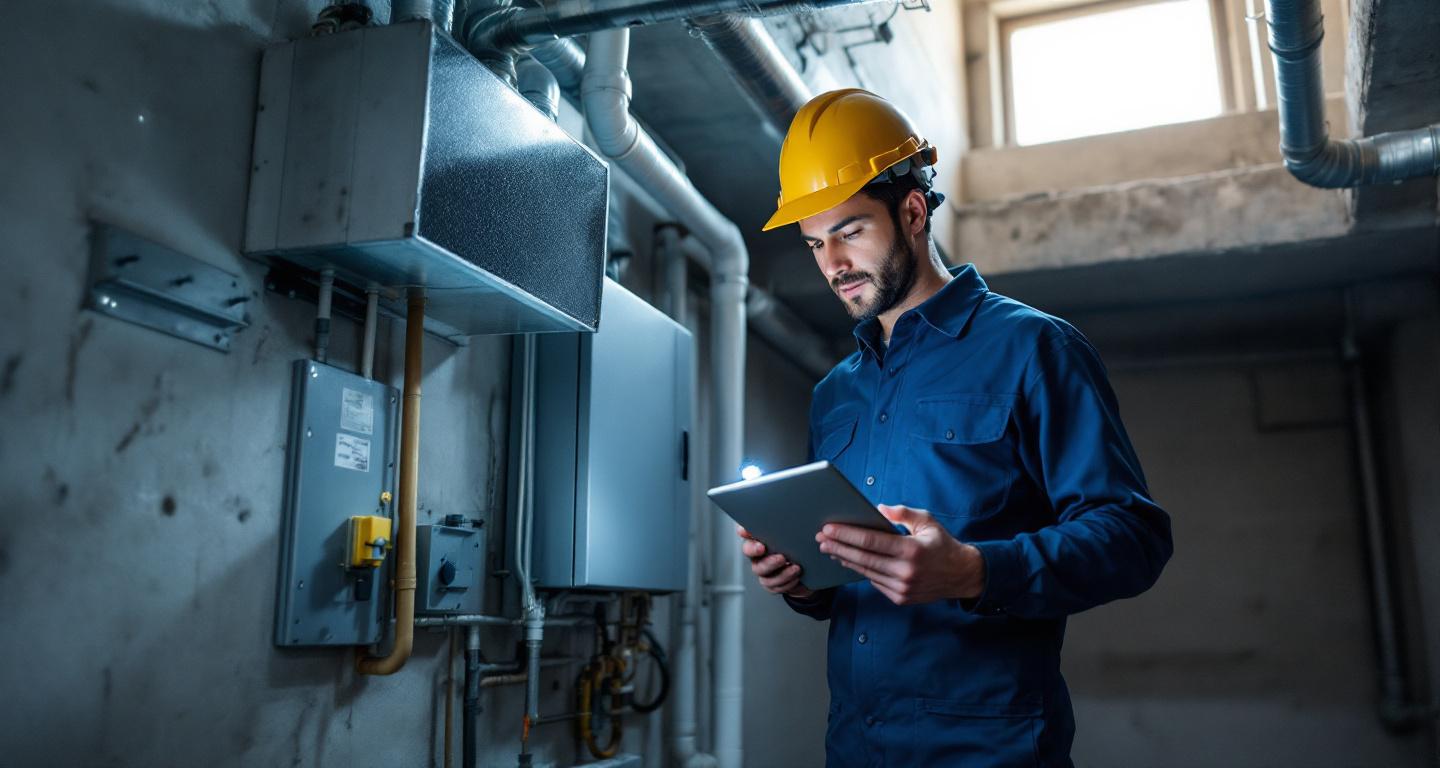
Proactive inspections identify small issues before they become expensive repairs, typically saving property owners 3-5 times the inspection cost. Regular assessments of key systems—HVAC, plumbing, electrical, and structural components—catch problems early when fixes are affordable and prevent cascading failures that lead to major damage.
Why Do Proactive Inspections Save More Money Than Reactive Repairs?
The mathematics of proactive maintenance are compelling. A small leak in your roof might cost $200 to fix when caught early, but waiting until water damage spreads could result in $15,000 in structural repairs, mold remediation, and interior restoration. Proactive inspections work on the principle of exponential cost prevention—small investments in regular assessments prevent the geometric growth of repair expenses over time. Most system failures don't happen overnight; they develop gradually through predictable stages. Professional inspectors can identify these early warning signs and recommend targeted interventions that cost a fraction of emergency repairs. The key advantage lies in planned maintenance windows rather than crisis response, allowing you to budget for repairs and choose qualified contractors rather than accepting whoever can respond immediately to an emergency.
What Are the Essential Systems That Need Regular Inspection?
Focus your proactive inspection efforts on these high-impact systems that typically cause the most expensive failures when neglected:
- HVAC Systems: Annual inspections catch filter blockages, refrigerant leaks, and component wear before they cause complete system failures that cost thousands to replace
- Roofing and Gutters: Bi-annual checks identify loose shingles, clogged drainage, and seal deterioration before water intrusion damages structural elements
- Plumbing Infrastructure: Regular assessments detect pipe corrosion, joint weakening, and fixture wear that can prevent catastrophic leaks and water damage
- Electrical Systems: Professional evaluations identify overloaded circuits, aging wiring, and connection issues before they create fire hazards or power failures
- Foundation and Structural Elements: Annual inspections catch settling issues, crack development, and moisture problems before they compromise building integrity
How Often Should Different Types of Inspections Be Performed?
Inspection frequency depends on system criticality, age, and environmental factors. HVAC systems benefit from quarterly filter checks and annual professional tune-ups, especially before peak heating and cooling seasons. Roofing requires bi-annual inspections—once after winter weather damage and again before severe weather seasons. Plumbing systems need annual comprehensive reviews, with monthly visual checks of accessible pipes and fixtures. Electrical systems should receive professional evaluation every 3-5 years for newer properties, annually for buildings over 25 years old. Foundation and structural assessments work best on annual schedules, though properties in areas with soil movement or seismic activity may need more frequent monitoring. Commercial properties typically require more frequent inspections due to higher usage demands and regulatory requirements. The investment in regular professional inspections pays for itself by extending equipment lifecycles and preventing emergency service calls that cost 3-4 times normal rates.
What Should Property Owners Monitor Between Professional Inspections?
Stay alert for these warning signs that indicate immediate professional inspection is needed:
- Unusual sounds from HVAC equipment, plumbing, or electrical systems
- Changes in water pressure, temperature consistency, or drainage speed
- New stains, discoloration, or moisture spots on ceilings and walls
- Flickering lights, frequent circuit breaker trips, or burning odors
- Doors or windows that suddenly stick or gaps that appear around frames
- Musty odors that could indicate hidden moisture or mold development
- Increased utility bills without corresponding usage changes
- Visible cracks in foundations, walls, or around windows and doors
How Do You Choose Qualified Inspectors for Proactive Assessments?
Professional inspectors should carry relevant certifications from recognized organizations like the International Association of Certified Home Inspectors (InterNACHI) or the American Society of Home Inspectors (ASHI). Look for specialists who focus on your specific needs—residential versus commercial, or system-specific expertise for complex installations. Experienced inspectors provide detailed reports with photographs, prioritized recommendations, and cost estimates that help you plan maintenance budgets. The best inspectors offer educational value during their assessments, explaining system operations and maintenance tips that extend equipment life. Verify insurance coverage and local licensing requirements, as inspection standards vary by region. Review sample reports before hiring to ensure they provide actionable information rather than generic checklists. Quality inspectors often maintain relationships with reliable repair contractors and can provide vetted referrals when issues are discovered, though they shouldn't perform repairs themselves to avoid conflicts of interest.
We've tracked maintenance costs across 500 commercial properties for over a decade. Buildings with quarterly proactive inspections average 67% lower annual repair expenses compared to reactive-only maintenance approaches.
Mike Chen, Facilities Management Director, Pacific Property Solutions
What's the ROI Timeline for Proactive Inspection Programs?
Most property owners see positive returns within 18-24 months of implementing regular inspection schedules. Initial inspections often identify 3-5 minor issues that collectively prevent one major failure costing thousands. The compound savings accelerate over time as systems receive proper maintenance and operate more efficiently. Energy savings alone often justify inspection costs—properly maintained HVAC systems use 15-25% less energy than neglected equipment. Insurance benefits add another layer of value, as many carriers offer premium discounts for documented preventive maintenance programs. Properties with inspection records also command higher resale values and rent faster, as prospective buyers and tenants appreciate well-maintained buildings. The peace of mind factor shouldn't be underestimated—knowing your systems are professionally monitored eliminates the stress of unexpected breakdowns and emergency expenses. Commercial properties typically see faster ROI due to higher repair costs and business disruption expenses when systems fail unexpectedly.
How Can Technology Enhance Traditional Inspection Processes?
Modern inspection tools provide more accurate assessments and better documentation:
- Thermal imaging cameras detect hidden moisture, electrical hot spots, and insulation problems invisible to visual inspection
- Moisture meters and air quality monitors quantify problems that might otherwise be subjective assessments
- Digital reporting systems with cloud storage ensure inspection records are preserved and easily accessible for warranty claims
- Drone technology enables safe, detailed roof and exterior inspections without ladder risks or accessibility challenges
- Smart monitoring systems provide continuous data on system performance between scheduled professional visits
Frequently Asked Questions
How much should I budget annually for proactive inspections?
Most residential properties need $500-800 annually for comprehensive inspections, while commercial properties typically budget 0.5-1% of building value. This investment usually prevents 3-5 times more in emergency repair costs.
Can I perform proactive inspections myself instead of hiring professionals?
Basic visual monitoring helps, but professional inspectors have specialized tools, training, and insurance that identify hidden problems you'd likely miss. DIY inspections work for routine checks between professional assessments.
What's included in a comprehensive proactive inspection?
Professional inspections cover structural elements, HVAC systems, plumbing, electrical components, roofing, insulation, and safety systems. Reports include photographs, prioritized recommendations, and estimated repair timelines with cost ranges.
How long do proactive inspections typically take?
Residential inspections usually require 2-4 hours depending on property size and systems complexity. Commercial inspections may take a full day or multiple visits for larger buildings with complex infrastructure.
Should inspections be scheduled seasonally or annually?
Critical systems like HVAC benefit from bi-annual checks, while structural and electrical systems work well with annual schedules. Create a staggered calendar that spreads different inspections throughout the year.
Do proactive inspections affect property insurance rates?
Many insurance carriers offer discounts for documented preventive maintenance programs. Regular inspections also strengthen claims by showing proper property care and can help identify issues before they become uncovered losses.
Find Trusted Inspection Professionals
Ready to start a proactive inspection program but unsure who to trust? Tools like Linked By Six automatically show you which certified inspectors and maintenance professionals your friends and colleagues have used successfully—see real recommendations from your network before you search. Start building your preventive maintenance team with confidence.
Proactive inspections transform property maintenance from crisis management into predictable, budgetable investments. By identifying small issues before they cascade into expensive repairs, regular professional assessments typically save 3-5 times their cost while extending equipment lifecycles and maintaining property values. The key lies in establishing consistent inspection schedules for critical systems, working with qualified professionals who provide actionable reports, and treating inspections as insurance against catastrophic failures. Whether you're managing a single-family home or a commercial portfolio, the mathematics strongly favor proactive maintenance over reactive repairs. Start with the most critical systems for your property type and climate, then expand your inspection program as you see the cost savings and peace of mind that come from staying ahead of problems rather than chasing them.