
How Preventive Maintenance Cuts Vehicle Repair Costs
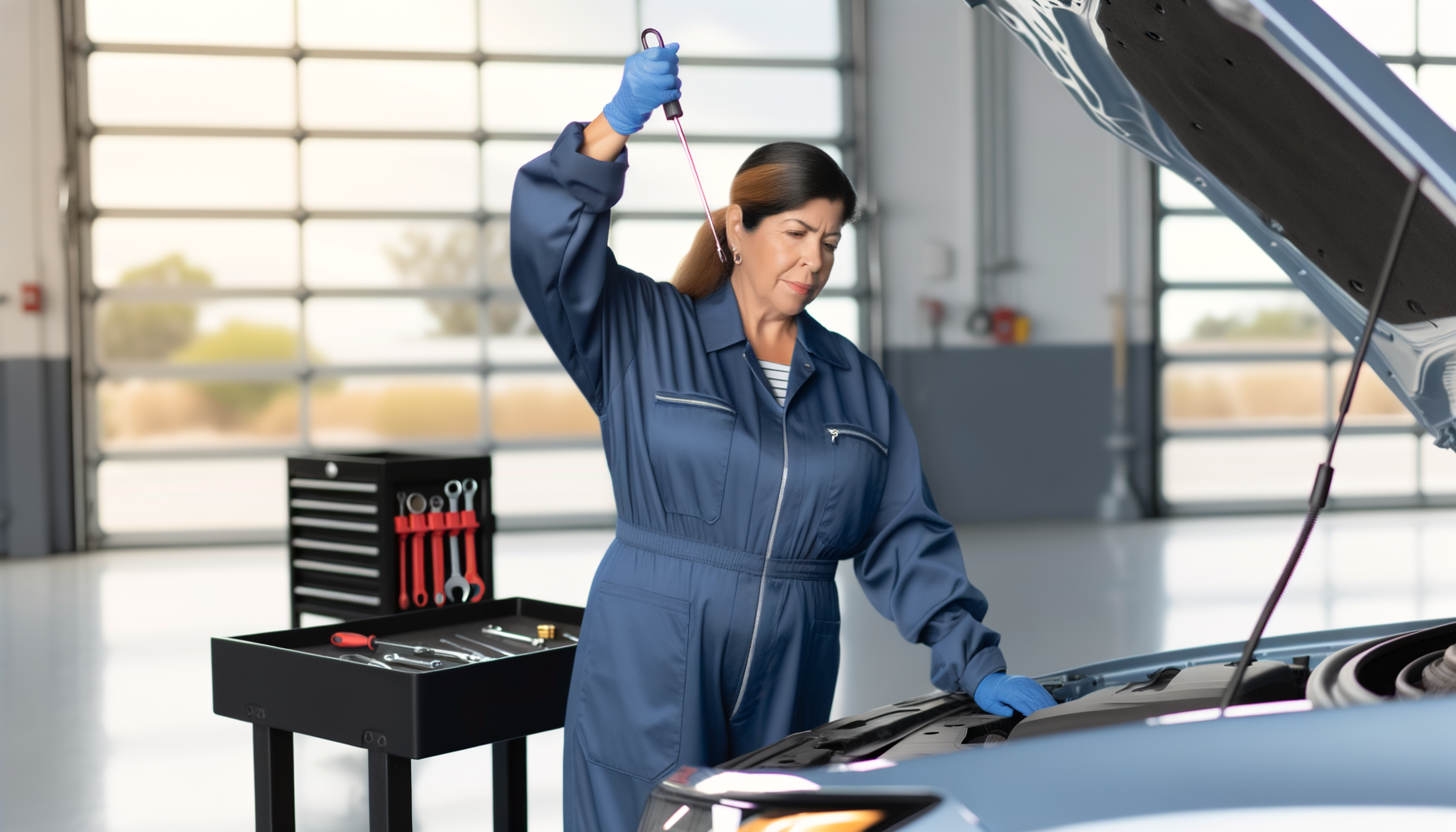
Preventive maintenance reduces vehicle repair costs by 40-60% through early problem detection, extending component lifespan, and preventing minor issues from becoming major failures. Regular oil changes, fluid checks, and scheduled inspections catch problems before they require expensive repairs.
What Makes Preventive Maintenance So Cost-Effective?
The financial logic behind preventive maintenance is straightforward: small, regular investments prevent large, unexpected expenses. When you maintain your vehicle according to manufacturer recommendations, you're essentially buying insurance against catastrophic failures. A $50 oil change prevents a $5,000 engine replacement. A $200 brake pad replacement prevents $1,500 in rotor and caliper damage. The mathematics are compelling because automotive systems are interconnected—when one component fails, it often damages related parts, creating a cascade of repair costs that preventive maintenance easily avoids.
How Much Money Does Preventive Maintenance Actually Save?
Industry data reveals the dramatic cost differences between preventive and reactive vehicle maintenance:
- Engine maintenance: Regular oil changes ($300/year) versus engine replacement ($4,000-$8,000)
- Brake system: Preventive pad replacement ($200-400) versus complete brake system overhaul ($1,200-2,000)
- Transmission service: Fluid changes ($150-250) versus transmission rebuild ($3,000-5,000)
- Cooling system: Coolant flushes ($100-150) versus radiator/water pump replacement ($800-1,500)
- Overall savings: Vehicles with consistent preventive maintenance average 40-60% lower repair costs annually
Which Maintenance Tasks Provide the Biggest Cost Savings?
Not all maintenance tasks offer equal return on investment. Focus on these high-impact services:
- Oil changes every 5,000-7,500 miles prevent engine wear and costly internal damage
- Brake inspections every 12,000 miles catch pad wear before rotor damage occurs
- Transmission fluid service every 30,000-60,000 miles extends transmission life significantly
- Cooling system flushes every 50,000 miles prevent overheating and engine damage
- Tire rotations every 6,000-8,000 miles maximize tire life and prevent premature replacement
- Air filter replacements improve fuel economy and engine performance
Why Do Small Problems Become Expensive Repairs?
Automotive systems operate under extreme conditions—high temperatures, constant vibration, chemical exposure, and mechanical stress. When components begin to fail, they rarely fail in isolation. A worn brake pad that's ignored will score the rotor, potentially damage the caliper, and stress the brake lines. What started as a $40 pad replacement becomes a $800 brake job. Similarly, dirty oil loses its lubricating properties gradually, but the resulting engine wear accelerates exponentially. The final failure happens suddenly, but the damage accumulates slowly and invisibly. This is why preventive maintenance schedules exist—they're timed to catch problems during the gradual wear phase, before the exponential damage phase begins.
What Should Your Preventive Maintenance Schedule Include?
Use this comprehensive maintenance timeline to maximize savings:
- Every 3,000-5,000 miles: Oil and filter change, basic safety inspection
- Every 6,000 miles: Tire rotation, brake inspection, fluid level checks
- Every 12,000 miles: Air filter replacement, comprehensive brake check
- Every 15,000 miles: Cabin air filter, battery test, belt inspection
- Every 30,000 miles: Transmission service, coolant system inspection
- Every 50,000 miles: Brake fluid replacement, coolant system flush
- Every 75,000 miles: Spark plugs, major belt replacement, comprehensive inspection
What Warning Signs Indicate You're Behind on Maintenance?
Recognize these symptoms that signal neglected maintenance is already costing you money:
- Engine oil that appears black or gritty instead of amber-colored
- Brake pedal feels spongy or requires more pressure than normal
- Engine temperature running higher than the normal range
- Transmission shifting roughly or hesitating between gears
- Unusual noises during startup or while driving
- Decreased fuel economy without obvious driving changes
- Dashboard warning lights that illuminate intermittently or permanently
How Do You Choose the Right Maintenance Provider?
The quality of maintenance directly impacts its cost-saving potential. A skilled technician catches problems early and performs services correctly the first time. Poor maintenance can actually accelerate wear and increase costs. Look for providers who explain what they're checking, show you worn components, and provide detailed service records. They should follow manufacturer specifications, not arbitrary intervals designed to increase service frequency. Trustworthy shops will prioritize urgent safety issues, explain the consequences of delaying recommended services, and never pressure you into unnecessary work. The relationship between vehicle owner and maintenance provider should be collaborative, focused on maximizing your vehicle's lifespan and minimizing total ownership costs.
I tell my customers that preventive maintenance isn't an expense—it's an investment that pays dividends every month you avoid a major breakdown. The money you save on one prevented transmission failure pays for years of routine maintenance.
Mike Rodriguez, ASE Master Technician with 25 years experience
How Does Vehicle Age Affect Maintenance Cost Savings?
Preventive maintenance becomes more critical and cost-effective as vehicles age. Newer vehicles under warranty require maintenance primarily to preserve coverage, but older vehicles depend on maintenance to prevent expensive failures that could exceed the car's value. For vehicles over 100,000 miles, preventive maintenance often determines whether the car remains economically viable or becomes a financial burden. However, the maintenance schedule may need adjustment—older vehicles might benefit from more frequent oil changes, earlier brake inspections, and proactive replacement of aging components. The key is transitioning from manufacturer-recommended intervals to condition-based maintenance that accounts for your vehicle's actual wear patterns and operating environment.
Frequently Asked Questions
How much should I budget annually for preventive vehicle maintenance?
Budget $1,200-2,000 annually for a typical vehicle, or about $100-150 monthly. This covers oil changes, scheduled services, and minor repairs, preventing major breakdowns that cost thousands.
Is expensive synthetic oil worth the extra cost for maintenance savings?
Yes, synthetic oil lasts longer between changes and protects better under extreme conditions. While it costs 30-50% more, it extends drain intervals and reduces engine wear significantly.
Can I skip some maintenance if my car seems to run fine?
No, most vehicle problems develop gradually without obvious symptoms. By the time you notice issues, damage is often extensive and expensive to repair.
Do older vehicles need more frequent maintenance than newer ones?
Yes, vehicles over 75,000 miles benefit from more frequent inspections and proactive component replacement, as wear accelerates and failures become more likely.
How do I know if a maintenance recommendation is necessary or just upselling?
Ask to see the worn component, request explanation of consequences if delayed, and get a second opinion for expensive services. Legitimate recommendations include visual evidence.
Will preventive maintenance actually extend my vehicle's lifespan?
Absolutely. Well-maintained vehicles routinely exceed 200,000 miles, while neglected ones often need major repairs before 100,000 miles, dramatically affecting total ownership costs.
Find Your Trusted Maintenance Provider
The key to successful preventive maintenance is finding a skilled, honest technician who prioritizes your vehicle's long-term health. Tools like Linked By Six help you discover which local mechanics and service centers your friends and colleagues already trust—see authentic recommendations from your network before you search.
Preventive vehicle maintenance isn't just about avoiding breakdowns—it's about maximizing your investment and minimizing total ownership costs. The data is clear: regular maintenance reduces repair expenses by 40-60% while extending vehicle lifespan significantly. By following manufacturer schedules, recognizing warning signs early, and working with trusted service providers, you transform maintenance from a grudging expense into a smart financial strategy. Your vehicle rewards consistent care with reliable performance, better fuel economy, and fewer surprise repair bills. The choice between preventive maintenance and reactive repairs isn't just about money—it's about taking control of your transportation costs and ensuring your vehicle serves you reliably for years to come.