
How Power Usage Patterns Affect Your Home's Electrical System
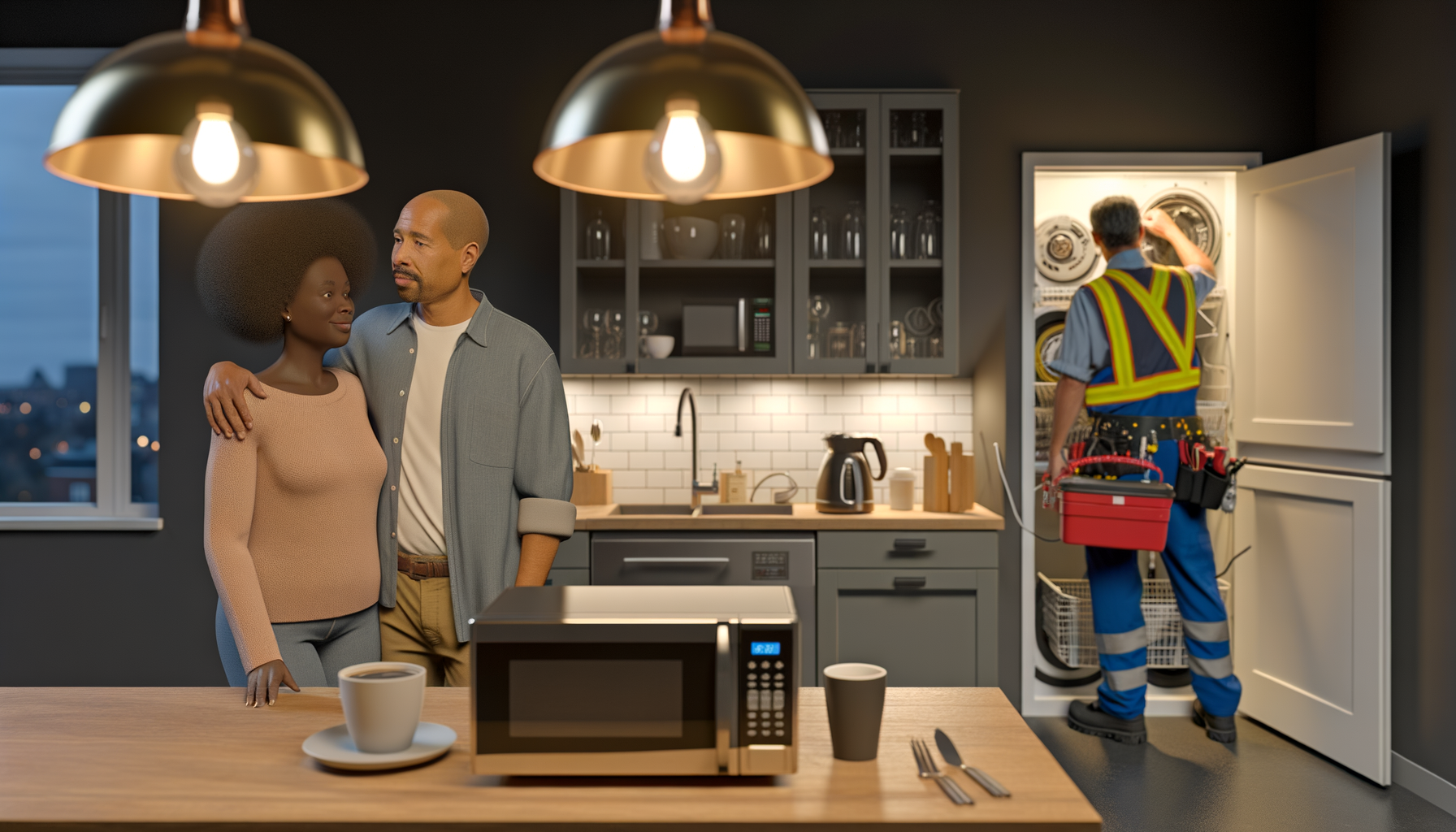
Power usage patterns directly impact your home's electrical system by creating varying loads on circuits, potentially causing overheating, tripped breakers, and premature wear. Peak usage times strain older wiring and can reveal capacity limitations that require professional assessment.
What Happens When Multiple Appliances Run Simultaneously?
When you run multiple high-powered appliances at once, you create what electricians call 'peak load demand' on your home's electrical system. Your washing machine, dryer, air conditioner, and electric oven each draw significant amperage. When they operate together, they can push individual circuits—and your entire electrical panel—near or beyond their designed capacity. This simultaneous demand forces your electrical system to work harder, generating more heat in wires and connections. Over time, this stress can lead to loose connections, degraded wire insulation, and increased fire risk. Modern homes are typically designed with load calculations that account for normal usage patterns, but older homes may struggle with today's increased electrical demands.
Which Daily Habits Create the Most Electrical Stress?
Certain common household routines place exceptional strain on your electrical system:
- Morning rush hours: Running hair dryers, coffee makers, toasters, and bathroom heaters simultaneously while the HVAC system is active
- Laundry day marathons: Operating washer, dryer, and iron consecutively without breaks, especially while other major appliances are running
- Evening cooking sessions: Using electric ovens, stovetops, microwaves, and dishwashers together during peak dinner preparation
- Entertainment center usage: Powering multiple TVs, gaming systems, sound systems, and charging stations during family time
- Seasonal appliance overlap: Running space heaters or window AC units while regular HVAC systems are also operating
- Home office setups: Multiple computers, printers, monitors, and lighting systems running continuously in dedicated workspaces
How Do Seasonal Changes Impact Your Electrical Load?
Seasonal power usage creates distinct stress patterns that affect your electrical system's longevity and performance. Summer months typically see the highest electrical demand as air conditioning systems work continuously, often coinciding with increased use of fans, pool pumps, and outdoor lighting. Winter brings different challenges with electric heating systems, space heaters, and increased indoor lighting during shorter days. Spring and fall cleaning seasons introduce temporary but significant loads from power tools, pressure washers, and intensive use of laundry facilities. These seasonal fluctuations can reveal weaknesses in your electrical infrastructure that remain hidden during moderate usage periods. Older electrical panels and wiring may handle normal loads adequately but fail when seasonal demands push the system to its limits.
What Steps Can Prevent Electrical System Overload?
Proactive management of your power usage patterns can significantly extend your electrical system's life:
- Stagger high-demand appliances by running them at different times rather than simultaneously, especially during peak usage hours
- Schedule major appliances during off-peak times, such as running dishwashers and laundry machines during mid-morning or late evening
- Install smart home systems that can automatically manage electrical loads by prioritizing essential systems and delaying non-critical appliances
- Upgrade to energy-efficient appliances that draw less power and generate less heat, reducing overall system stress
- Have your electrical panel inspected annually to identify loose connections, worn components, and capacity limitations before they become dangerous
- Consider electrical system upgrades if your home frequently approaches its electrical capacity, including panel upgrades and additional circuits
Why Do Some Homes Handle High Usage Better Than Others?
The age, design, and maintenance history of your electrical system determines its ability to handle varying power demands safely. Homes built after 1990 typically feature 200-amp electrical panels with dedicated circuits for major appliances, adequate wire gauge for modern loads, and safety features like GFCI and AFCI protection. Older homes may have 100-amp or smaller panels, shared circuits, and wiring that wasn't designed for today's electrical demands. The quality of original installation also matters significantly—properly installed systems with appropriate wire sizing, secure connections, and adequate ventilation around electrical components handle stress better than systems with shortcuts or code violations. Regular maintenance, including tightening connections and replacing worn components, keeps systems operating safely even under high demand.
What Warning Signs Indicate Electrical System Stress?
Monitor these indicators of electrical system strain:
- Lights flickering or dimming when appliances start up
- Circuit breakers tripping frequently, especially during normal use
- Warm or hot electrical outlets, switch plates, or panel covers
- Burning smells near electrical components or outlets
- Buzzing or crackling sounds from outlets, switches, or the electrical panel
- Appliances running at reduced power or taking longer to heat/cool
- Extension cords becoming warm during use
- GFCI outlets tripping repeatedly without obvious moisture issues
When Should You Consult a Professional Electrician?
Professional electrical evaluation becomes essential when your power usage patterns consistently challenge your home's electrical capacity. If you're planning to add major appliances, electric vehicle charging stations, or home additions, an electrician should assess whether your current system can handle the increased load safely. Similarly, if you've noticed any warning signs of electrical stress, professional diagnosis can prevent dangerous situations and costly damage. Electricians can perform load calculations, thermal imaging inspections, and comprehensive system evaluations that identify problems invisible to homeowners. They can also recommend specific solutions, from simple circuit additions to complete panel upgrades, based on your actual usage patterns and future needs. The investment in professional assessment often prevents much more expensive emergency repairs or safety incidents.
Most electrical fires in homes result from overloaded circuits and poor connections that develop gradually over time. Homeowners who understand their power usage patterns and maintain their electrical systems proactively rarely experience these dangerous situations.
National Fire Protection Association Electrical Safety Report
How Can Smart Technology Help Manage Electrical Loads?
Modern smart home technology offers sophisticated solutions for managing power usage patterns automatically. Smart electrical panels can monitor individual circuit loads in real-time, automatically balancing electrical demand across your home's systems. Load management systems can delay non-essential appliances when electrical demand peaks, ensuring critical systems always have adequate power. Smart thermostats, water heaters, and appliances can communicate with each other to coordinate their operation, preventing simultaneous high-demand situations. Energy monitoring apps provide detailed insights into your usage patterns, helping you identify opportunities to reduce peak loads and extend your electrical system's life. These technologies not only improve safety but often reduce energy costs by optimizing when and how your appliances operate.
Frequently Asked Questions
Can running too many appliances at once damage my electrical system?
Yes, consistently overloading circuits creates heat that degrades wiring and connections over time. This can lead to loose connections, wire damage, and increased fire risk, especially in older electrical systems.
Why do my lights dim when the air conditioner starts?
Light dimming indicates your electrical system is operating near capacity. The large startup current draw from your AC temporarily reduces voltage to other circuits, suggesting you may need electrical system upgrades.
How often should I have my electrical system inspected?
Have your electrical system professionally inspected annually if it's over 20 years old, or every 3-5 years for newer systems. Increase frequency if you notice warning signs or have changed your usage patterns significantly.
What's the difference between tripping breakers and blown fuses?
Both indicate circuit overload, but breakers can be reset while fuses must be replaced. Frequent tripping or blowing indicates your electrical usage exceeds your system's safe capacity and requires professional evaluation.
Can energy-efficient appliances really reduce electrical system stress?
Absolutely. Energy-efficient appliances draw less current and generate less heat, reducing overall system stress. LED lighting, ENERGY STAR appliances, and high-efficiency HVAC systems significantly decrease electrical load demands.
Is it safe to use extension cords for permanent appliances?
No, extension cords are designed for temporary use only. Permanent appliances should have dedicated circuits. Using extension cords long-term increases resistance, generates heat, and creates fire hazards.
Find a Trusted Electrician
Understanding your electrical system's limitations is just the first step—professional assessment ensures your family's safety. Tools like Linked By Six automatically show you which local electricians your friends and colleagues have used and trusted, helping you find qualified professionals who understand residential electrical systems and can evaluate your specific usage patterns.
Your daily power usage patterns have a profound impact on your home's electrical system safety and longevity. By understanding how simultaneous appliance use, seasonal demands, and household routines stress your electrical infrastructure, you can take proactive steps to prevent dangerous overload conditions. Smart management of electrical loads, combined with regular professional maintenance, keeps your family safe while extending your electrical system's life. Remember that warning signs like dimming lights, warm outlets, or frequently tripping breakers indicate your system needs immediate attention. When your usage patterns consistently challenge your electrical capacity, professional evaluation and potential upgrades become essential investments in your home's safety and functionality.