
How Plumbing Maintenance Cuts Repair Costs by 80%
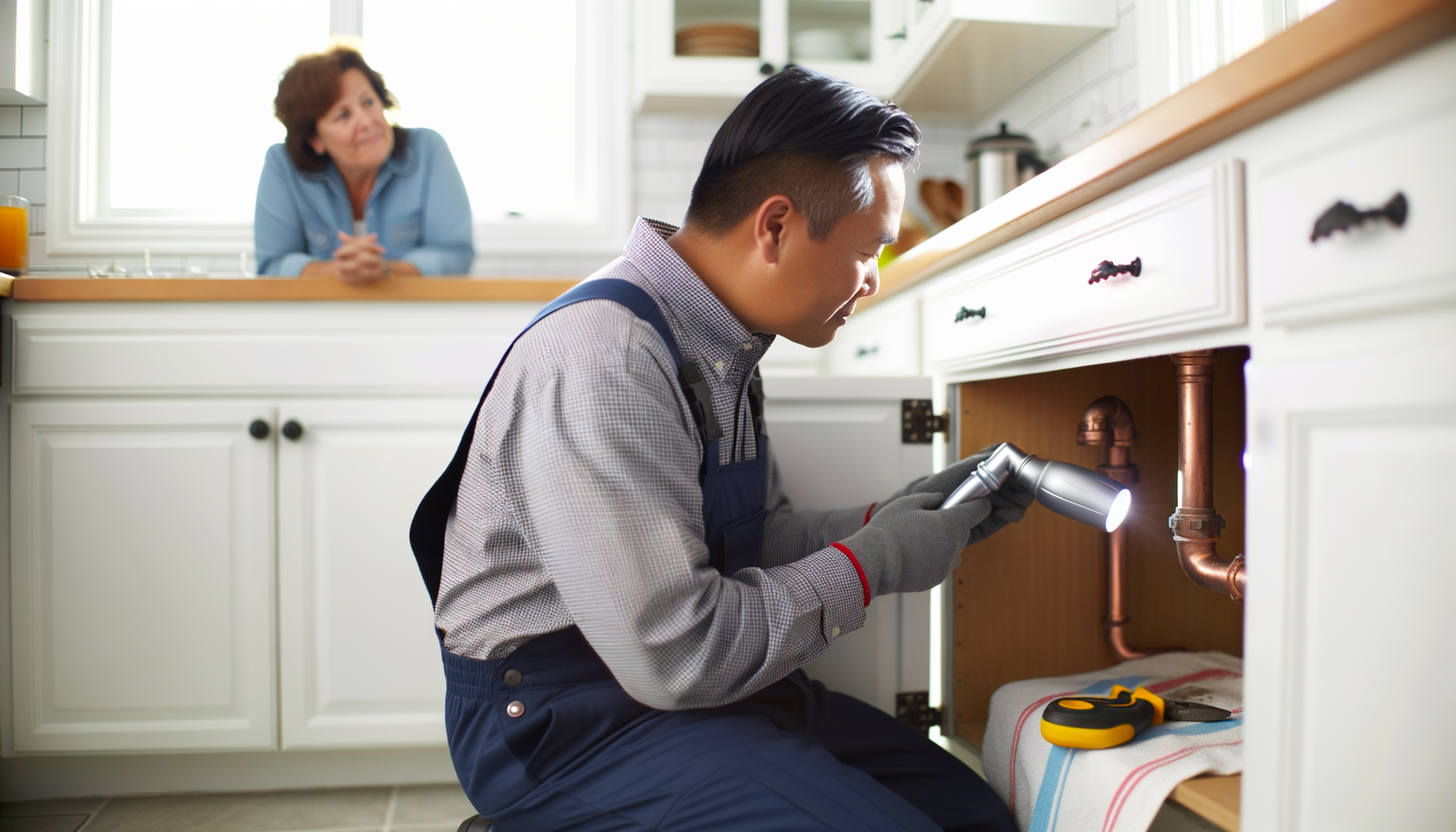
Regular plumbing maintenance reduces repair costs by 60-80% by catching small issues before they become major problems. Simple preventive tasks like drain cleaning, pipe inspections, and fixture maintenance typically cost $200-400 annually but prevent thousands in emergency repairs.
Why Does Preventive Plumbing Care Save Money?
The economics of plumbing maintenance follow a simple principle: small problems are exponentially cheaper to fix than big ones. When a minor leak goes undetected for months, it can cause water damage requiring extensive drywall repair, flooring replacement, and mold remediation—costs that easily reach $10,000 or more. Meanwhile, catching that same leak during a routine inspection might cost $50 to repair. The math is compelling: homeowners who invest in annual plumbing maintenance spend an average of $300 per year but avoid emergency repairs that typically cost $2,000-5,000. This dramatic cost difference exists because preventive maintenance addresses root causes before they cascade into multiple, interconnected problems that require extensive labor and materials to resolve.
What Are the Most Cost-Effective Maintenance Tasks?
Focus your maintenance efforts on these high-impact activities that prevent the most expensive repairs:
- Annual pipe inspections ($100-150) prevent burst pipe emergencies that average $5,000 in damages
- Quarterly drain cleaning ($75-100) eliminates blockages before they require main line excavation ($3,000-8,000)
- Water heater flushing twice yearly ($80-120) extends unit life by 3-5 years, delaying $1,200-2,500 replacement costs
- Fixture seal replacement ($20-40 per fixture) prevents water damage that averages $2,500 per incident
- Water pressure monitoring (free with gauge) identifies issues before they stress pipes and cause leaks
How Do Small Issues Become Expensive Problems?
Plumbing problems follow predictable escalation patterns that multiply costs over time. A slow drain starts with soap buildup but progresses to complete blockage requiring professional augering or pipe replacement. A minor toilet leak begins with a worn flapper valve but can damage subflooring, requiring structural repairs. Water pressure issues may seem minor but indicate problems that can burst pipes or damage appliances. Understanding these progression patterns helps homeowners recognize why early intervention saves money. For example, a $30 flapper replacement prevents the $1,500 average cost of toilet leak water damage. Similarly, addressing mineral buildup in pipes through routine maintenance prevents the $4,000 average cost of repiping sections of your home.
What Warning Signs Should Trigger Immediate Action?
These early warning signs indicate developing problems that will become expensive if ignored:
- Water pressure changes in multiple fixtures (suggests main line issues)
- Unusual sounds like gurgling, hammering, or whistling from pipes
- Discolored water indicating corrosion or contamination
- Unexplained increases in water bills suggesting hidden leaks
- Slow drains in multiple locations pointing to main line problems
- Mineral deposits on fixtures showing hard water damage to pipes
How Does Regular Maintenance Extend System Lifespan?
Preventive plumbing maintenance extends system lifespan by reducing wear and preventing damage accumulation. Clean pipes flow efficiently, reducing pressure stress on joints and connections. Regular maintenance removes mineral deposits that cause corrosion and blockages. Well-maintained water heaters last 12-15 years versus 6-8 years for neglected units. Fixtures with replaced seals and gaskets maintain proper function for decades rather than failing prematurely. This extended lifespan translates to significant cost savings: delaying a $15,000 whole-home repipe by even five years through maintenance represents substantial financial benefit. Additionally, maintained systems operate more efficiently, reducing monthly utility costs while providing better performance and reliability.
What Should Your Annual Maintenance Schedule Include?
Use this schedule to maximize cost savings through consistent preventive care:
- January: Inspect all visible pipes for leaks, corrosion, or damage
- March: Clean aerators and showerheads to maintain proper flow
- May: Flush water heater and check temperature/pressure relief valve
- July: Test water pressure throughout home and adjust if needed
- September: Clear all drains and inspect toilet seals and flappers
- November: Shut off outdoor water valves and drain hoses before freezing
How Do You Calculate Your Maintenance ROI?
Calculating your plumbing maintenance return on investment helps justify the upfront costs and track savings over time. Start by documenting your annual maintenance expenses including professional services, parts, and supplies. Then track avoided repairs by noting issues caught during maintenance that would have become emergencies. Industry data shows the average homeowner spends $350 annually on plumbing emergencies, while those with maintenance programs spend $100 annually on prevention plus $50 on minor repairs. This represents a 227% return on maintenance investment. Additionally, factor in extended equipment life: a water heater lasting 15 years instead of 8 saves $1,200 in premature replacement costs, effectively paying for decades of maintenance.
What Role Does Professional Inspection Play?
Professional plumbing inspections provide expertise and tools that homeowners can't match, making them essential components of cost-effective maintenance. Licensed plumbers identify developing problems invisible to untrained eyes, use specialized equipment to detect hidden leaks, and understand how different issues interconnect throughout your system. A thorough professional inspection costs $150-250 but typically identifies $500-1,500 in potential problems before they become emergencies. Professionals also provide maintenance services beyond homeowner capabilities, such as main line cleaning, pressure testing, and water heater maintenance. The key is building a relationship with a trusted plumber who understands your system's history and can recommend appropriate maintenance schedules based on your home's age, water quality, and usage patterns.
Frequently Asked Questions
How much should I budget annually for plumbing maintenance?
Budget $300-500 annually for comprehensive plumbing maintenance including professional inspections, routine cleaning, and minor repairs. This investment typically prevents $2,000-4,000 in emergency repair costs.
Can I do plumbing maintenance myself or should I hire professionals?
Homeowners can handle basic tasks like drain cleaning and fixture maintenance, but annual professional inspections are essential for detecting hidden problems and performing complex maintenance tasks safely.
How often should different plumbing components be maintained?
Drains need quarterly attention, water heaters require semi-annual flushing, pipes need annual inspection, and fixtures should be checked monthly for leaks or performance issues.
What's the biggest maintenance mistake homeowners make?
Ignoring small problems hoping they'll resolve themselves. Minor leaks, slow drains, and pressure changes always worsen over time, turning inexpensive fixes into major repairs.
How do I know if my maintenance program is working?
Track your emergency repair frequency and costs over time. Effective maintenance reduces emergency calls to once every 2-3 years and keeps annual repair costs under $200.
Is maintenance worth it for older homes with aging plumbing?
Maintenance becomes more valuable with aging systems, helping extend their life and preventing catastrophic failures. Even systems nearing replacement benefit from maintenance to delay major expenses.
Find Your Trusted Plumbing Professional
The key to effective maintenance is working with a reliable, experienced plumber who understands your system. Tools like Linked By Six help you discover which local plumbing professionals your friends and neighbors already trust, giving you confidence in your choice before you even call. See your network's recommendations and start building that valuable maintenance relationship.
Plumbing maintenance represents one of the clearest examples of how small, consistent investments prevent large, disruptive expenses. By spending $300-500 annually on preventive care, homeowners typically avoid thousands in emergency repairs while extending their plumbing system's lifespan. The key is developing both a consistent maintenance routine and a relationship with a trusted professional who can provide expert guidance. Remember, every month you delay maintenance increases the likelihood of expensive problems developing. Start your maintenance program today, and your future self will thank you when neighbors are dealing with plumbing emergencies while your system runs smoothly year after year.