
How Minor Leaks Become Major Plumbing Disasters
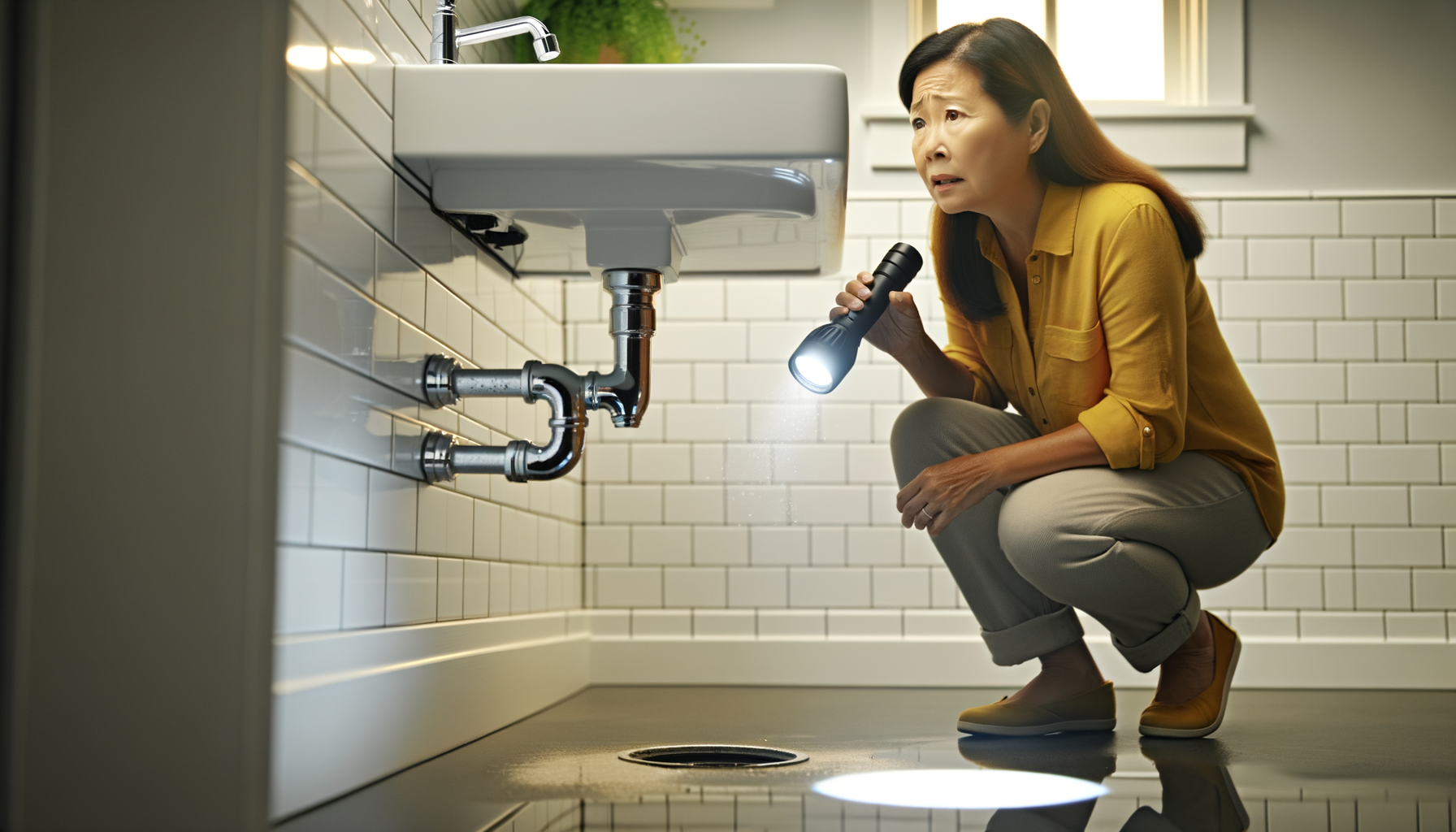
Minor leaks become major plumbing problems through progressive water damage, pipe deterioration, and structural issues. Small drips can cause mold growth, foundation damage, and burst pipes within months, turning $50 repairs into thousands in water damage restoration.
Why Do Small Leaks Escalate So Quickly?
Water follows the path of least resistance, and that seemingly innocent drip under your sink is actively searching for new places to go. What starts as a few drops per hour can quickly accelerate as the leak wears away seals, corrodes joints, and weakens surrounding materials. The constant moisture creates a cascade of problems: pipe fittings loosen, gaskets deteriorate faster, and nearby pipes experience increased pressure. Within weeks, that minor drip can become a steady stream, and within months, you might face a complete pipe failure that floods your home.
What Are the Hidden Dangers of Ignoring Small Leaks?
Beyond the obvious water waste, minor leaks create serious long-term risks that most homeowners never see coming:
- Mold and mildew growth in walls and under flooring, creating health hazards and requiring expensive remediation
- Structural damage to wood framing, subflooring, and drywall that can compromise your home's integrity
- Electrical hazards when water reaches outlets, wiring, or electrical panels
- Foundation damage from water pooling around your home's base, leading to cracks and settling
- Pest infestations attracted to constant moisture sources
- Dramatically higher water bills that compound monthly until the leak is fixed
How Fast Can Water Damage Spread Throughout Your Home?
Water damage spreads exponentially, not linearly. In the first 24 hours, water begins soaking into porous materials like drywall, insulation, and wood. Within 48-72 hours, mold spores start germinating in these damp conditions. By the end of the first week, you'll likely smell musty odors and see visible staining. After two weeks, structural materials begin weakening, and mold colonies establish themselves permanently. What's particularly insidious about minor leaks is that this timeline often occurs hidden inside walls or under floors, so by the time you notice significant problems, extensive damage has already occurred.
What Are the Progressive Stages of Leak Damage?
Understanding how leaks escalate helps you recognize when to take immediate action:
- Stage 1 (Days 1-7): Initial water intrusion begins softening materials and creating ideal conditions for microbial growth
- Stage 2 (Week 2): Visible water stains appear, materials start warping, and musty odors develop as mold begins growing
- Stage 3 (Weeks 3-4): Structural materials weaken significantly, mold becomes established, and repair costs triple
- Stage 4 (Month 2+): Extensive structural damage requires major reconstruction, health hazards develop, and insurance may not cover gradual damage
Which Areas of Your Home Are Most Vulnerable?
Certain locations in your home act as amplifiers for leak damage due to their construction and contents. Bathrooms and kitchens are obvious hotspots, but the real danger often lies in adjacent areas. Water travels along joists and through wall cavities, potentially damaging rooms far from the original leak. Basements and crawl spaces are particularly vulnerable because water naturally flows downward and can pool undetected for extended periods. Upper floors present unique risks because leaks can damage multiple levels as water cascades down through the structure, affecting ceilings, floors, and everything in between.
How Can You Detect Leaks Before They Become Disasters?
Regular inspection helps catch problems while they're still manageable. Check these areas monthly:
- Under sinks and around pipe connections for moisture, staining, or mineral deposits
- Around toilets for loose seals, rocking, or water stains on nearby flooring
- Water heater area for rust, corrosion, or standing water
- Washing machine hoses for bulges, cracks, or loose connections
- Basement or crawl space for unexplained moisture, musty odors, or water stains
- Ceiling stains or soft spots that might indicate hidden roof or plumbing leaks
- Water meter readings when no water is being used to detect hidden leaks
When Should You Call a Professional Plumber?
While some homeowners attempt DIY repairs on minor leaks, this approach often backfires spectacularly. Professional plumbers don't just fix the visible problem—they diagnose why the leak occurred and address underlying issues that could cause future failures. Call a professional immediately if you notice water stains, hear running water when fixtures are off, experience sudden drops in water pressure, or find any leak you can't immediately stop. The cost of a professional diagnosis and repair is invariably less than dealing with major water damage, and experienced plumbers can often spot other potential issues before they become problems.
What Prevention Steps Actually Work Long-Term?
Effective leak prevention focuses on addressing root causes rather than just symptoms:
- Annual plumbing inspections by qualified professionals who can spot early warning signs
- Regular maintenance of water heaters, including flushing sediment and checking connections
- Prompt replacement of aging supply lines and hoses before they fail catastrophically
- Proper water pressure regulation to prevent excessive strain on pipes and fittings
- Seasonal preparations like pipe insulation and shut-off valve testing
- Quality fixture installation using appropriate materials and professional techniques
I've seen thousand-dollar water damage claims that started with homeowners ignoring a $20 drip under their kitchen sink. The most expensive leak repair is the one you postpone.
Mike Rodriguez, Master Plumber with 20 years experience
How Much Can Leak Damage Actually Cost?
The financial impact of leak damage often shocks homeowners because the costs extend far beyond plumbing repair. Water damage restoration typically starts around $3,000 for minor incidents and can easily exceed $20,000 for major structural damage. Add mold remediation ($2,000-$10,000+), temporary housing during repairs, lost personal belongings, and potential health impacts, and the total cost can reach catastrophic levels. Meanwhile, addressing that original minor leak might have cost $100-$300 if caught early. Insurance deductibles, coverage limitations, and excluded gradual damage can leave homeowners paying most expenses out of pocket.
Frequently Asked Questions
How long does it take for a small leak to cause major damage?
Significant damage can begin within 48-72 hours as mold starts growing, but structural problems typically develop over 2-4 weeks of continuous water exposure, depending on the leak's location and severity.
Will insurance cover damage from a small leak I ignored?
Most insurance policies exclude gradual water damage, considering ongoing leaks a maintenance issue. They typically cover sudden pipe bursts but not damage from leaks that developed over time.
Can I fix minor plumbing leaks myself safely?
Simple fixes like tightening loose connections might be manageable, but most leaks indicate underlying issues that require professional diagnosis. DIY repairs often create bigger problems and void warranties.
How do I know if water damage has spread beyond what I can see?
Professional moisture meters and infrared cameras can detect hidden water damage. Signs include musty odors, soft spots in walls, unexplained increases in humidity, and water stains appearing far from the leak source.
What should I do immediately when I discover a leak?
Turn off water to the affected area, document the leak with photos for insurance, move belongings away from water, and contact a qualified plumber immediately—even small leaks can escalate quickly.
Find a Trusted Plumber Before You Need One
Don't wait for a plumbing emergency to find reliable help. Tools like Linked By Six show you which local plumbers your friends and neighbors already trust, giving you vetted professionals ready to respond when minor leaks threaten to become major disasters.
Minor leaks represent ticking time bombs in your home's plumbing system. What appears as a harmless drip today can evolve into thousands of dollars in water damage within weeks, creating health hazards and structural problems that impact your family's safety and your home's value. The key to protecting your investment lies in understanding that all leaks are urgent, regardless of their initial size, and taking immediate action to address both the visible problem and its underlying causes. By maintaining vigilance through regular inspections, responding quickly to early warning signs, and working with qualified professionals, you can prevent minor issues from becoming major catastrophes that disrupt your life and drain your finances.