
How Minor Home Damage Becomes Costly Disasters
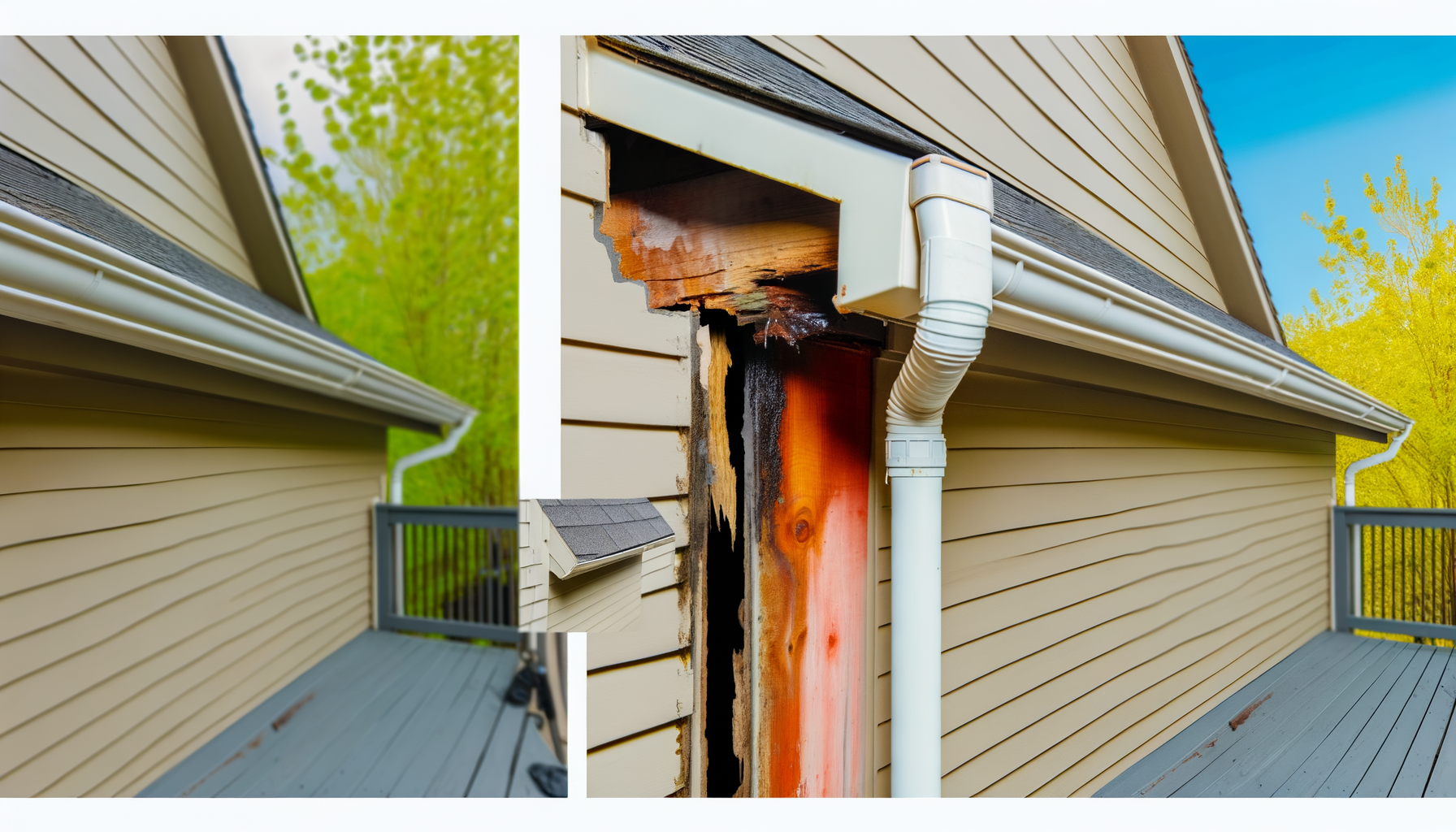
Minor home damage escalates exponentially when ignored because water infiltration, structural stress, and environmental factors compound over time. A small $50 repair can become a $5,000+ emergency within months, making early intervention crucial for protecting your investment.
Why Does Small Damage Grow Into Big Problems?
Home damage follows the principle of exponential decay—small issues create conditions that accelerate deterioration. Water damage is particularly destructive because moisture creates a cascade of problems: wood rot, mold growth, insulation damage, and structural weakening. What starts as a minor roof leak can compromise multiple building systems within a single season. Environmental factors like temperature fluctuations, humidity changes, and seasonal weather patterns amplify existing damage. A small crack in exterior caulking allows water penetration, which freezes and expands, creating larger cracks that let in more water. This cycle continues until what began as a $20 caulking job becomes a $3,000 siding replacement project.
What Are the Most Dangerous Types of Minor Damage?
Certain types of minor damage pose disproportionate risks when left unaddressed:
- Roof issues: Missing shingles, loose flashing, or small leaks that seem manageable
- Foundation cracks: Hairline cracks that appear harmless but indicate settling or water pressure
- Plumbing leaks: Slow drips under sinks or behind walls that go unnoticed
- Electrical problems: Flickering lights, warm outlets, or frequently tripped breakers
- HVAC inefficiencies: Strange noises, uneven heating, or rising energy bills
- Exterior sealant failures: Gaps around windows, doors, or where different materials meet
How Much Money Can Neglect Actually Cost You?
The financial impact of deferred maintenance follows predictable patterns that shock most homeowners. Insurance claims data reveals that delayed roof repairs average 5-10 times the cost of immediate fixes. A $200 roof repair becomes a $2,000-$10,000 claim when water damage affects insulation, drywall, flooring, and personal belongings. Foundation issues escalate even more dramatically—a $300 crack injection can prevent $15,000-$30,000 in foundation repairs and related structural work. Plumbing leaks demonstrate the hidden costs of neglect. A slowly dripping pipe that wastes $35 monthly in water bills often indicates corrosion that will require complete repiping. The real cost isn't the water waste—it's the $8,000-$15,000 plumbing overhaul needed when pipes finally fail catastrophically.
What's the Timeline for Damage Escalation?
Understanding how quickly damage progresses helps prioritize repairs:
- 24-72 hours: Mold spores begin growing in damp conditions; electrical issues pose immediate fire risks
- 1-4 weeks: Water stains appear; wood begins softening; metal components show rust signs
- 1-3 months: Structural integrity begins compromising; insulation loses effectiveness
- 3-6 months: Damage becomes visible to casual observers; repair costs increase significantly
- 6-12 months: Secondary systems become affected; multiple contractors may be needed
- 1+ years: Complete system replacement often required; insurance claims may be denied for gradual damage
How Do You Spot Problems Before They Escalate?
Early detection requires systematic observation and understanding of warning signs. Monthly visual inspections of high-risk areas like bathrooms, basements, attics, and exterior walls can reveal problems before they become emergencies. Look for changes in paint color or texture, which often indicate moisture issues behind walls. Musty odors frequently appear before visible mold growth. Pay attention to your home's normal sounds—new creaking, unusual HVAC noises, or water running when fixtures are off all signal developing problems. Energy bill increases without usage changes suggest efficiency losses from damaged insulation, ductwork, or failing systems. Seasonal transitions are particularly revealing times for inspections, as temperature and humidity changes stress building materials and reveal weaknesses.
Monthly Home Damage Prevention Checklist
Use this checklist to catch problems early:
- Inspect roof and gutters for damage, blockages, or loose materials
- Check all faucets, toilets, and visible pipes for leaks or corrosion
- Examine foundation walls for new cracks or moisture signs
- Test GFCI outlets and look for warm switches or outlets
- Review recent utility bills for unexplained increases
- Walk exterior perimeter checking caulk, siding, and window seals
- Inspect attic and basement for moisture, pest activity, or damage
- Test smoke detectors and carbon monoxide alarms
- Check HVAC filters and listen for unusual system noises
The most expensive home repair is the one you put off. I've seen $50 fixes turn into $50,000 insurance claims when homeowners ignore early warning signs.
Mike Rodriguez, Licensed Home Inspector
When Should You Call a Professional?
Knowing when DIY approaches are insufficient prevents damage escalation and safety risks. Call professionals immediately for any electrical issues, gas-related problems, or structural concerns. Water damage requires professional assessment within 24-48 hours to prevent mold growth and determine the extent of moisture penetration. Roofing issues demand professional evaluation because improper repairs often cause more damage than the original problem. Foundation cracks, even small ones, should be evaluated by specialists who can determine whether they indicate serious structural issues or normal settling. Don't attempt repairs on systems you don't fully understand—HVAC, plumbing, and electrical work requires proper tools, knowledge, and often permits. The cost of professional diagnosis is always less than the cost of improper repairs or continued damage.
How Do You Find Reliable Repair Contractors?
Emergency repairs often lead to poor contractor choices, making it essential to identify trusted professionals before problems occur. The most reliable contractors come through personal networks—people who have experienced the contractor's work quality, reliability, and pricing firsthand. However, manually reaching out to friends and family during an emergency creates delays when time is critical. Community knowledge provides the most accurate contractor assessments because it reflects real experiences rather than marketed promises. Neighbors who have used contractors for similar homes and similar problems offer the most relevant recommendations. Extended networks often reveal contractors you wouldn't discover otherwise, including specialists who focus on specific types of damage or work with particular home styles common in your area.
Frequently Asked Questions
How can I tell if minor damage is actually serious?
Look for damage that affects water integrity, structural stability, or safety systems. Any crack that allows water penetration, electrical issues, or changes in your home's foundation should be evaluated immediately by professionals.
What's the most expensive type of minor damage to ignore?
Water-related damage escalates most expensively because it affects multiple building systems simultaneously. A small roof leak can damage insulation, framing, drywall, flooring, and personal belongings within weeks.
How often should I inspect my home for damage?
Conduct basic visual inspections monthly, with more thorough seasonal inspections. Pay special attention after severe weather events and during spring and fall when temperature changes stress building materials.
Can homeowner's insurance deny claims for gradual damage?
Yes, most insurance policies exclude gradual damage that results from lack of maintenance. Sudden, accidental damage is typically covered, but deterioration from neglect usually isn't, making prompt repairs financially crucial.
What tools do I need for basic damage detection?
A flashlight, moisture meter, digital camera for documentation, and basic measuring tools cover most inspection needs. Consider a thermal imaging camera for detecting hidden water damage or insulation problems.
Should I always hire professionals for minor repairs?
Hire professionals for electrical, plumbing, gas, structural, or roofing issues. DIY is appropriate for cosmetic repairs, basic caulking, or maintenance tasks you fully understand and have proper tools to complete safely.
Find Trusted Repair Contractors Before You Need Them
Don't wait for an emergency to find reliable contractors. Tools like Linked By Six automatically show you which local contractors your friends and neighbors have used and trusted, helping you build a reliable repair team before damage escalates into costly emergencies.
Minor home damage escalates predictably and expensively when ignored, but early intervention can save thousands of dollars and preserve your home's value. The key is developing systems for regular inspection, understanding which types of damage pose the greatest risks, and having trusted professionals identified before emergencies occur. Remember that the cost of prevention and early repair is always less than the cost of emergency fixes and secondary damage. By taking small problems seriously and addressing them promptly, you protect both your financial investment and your family's safety and comfort.