
How Mileage Affects Your Vehicle Service Schedule
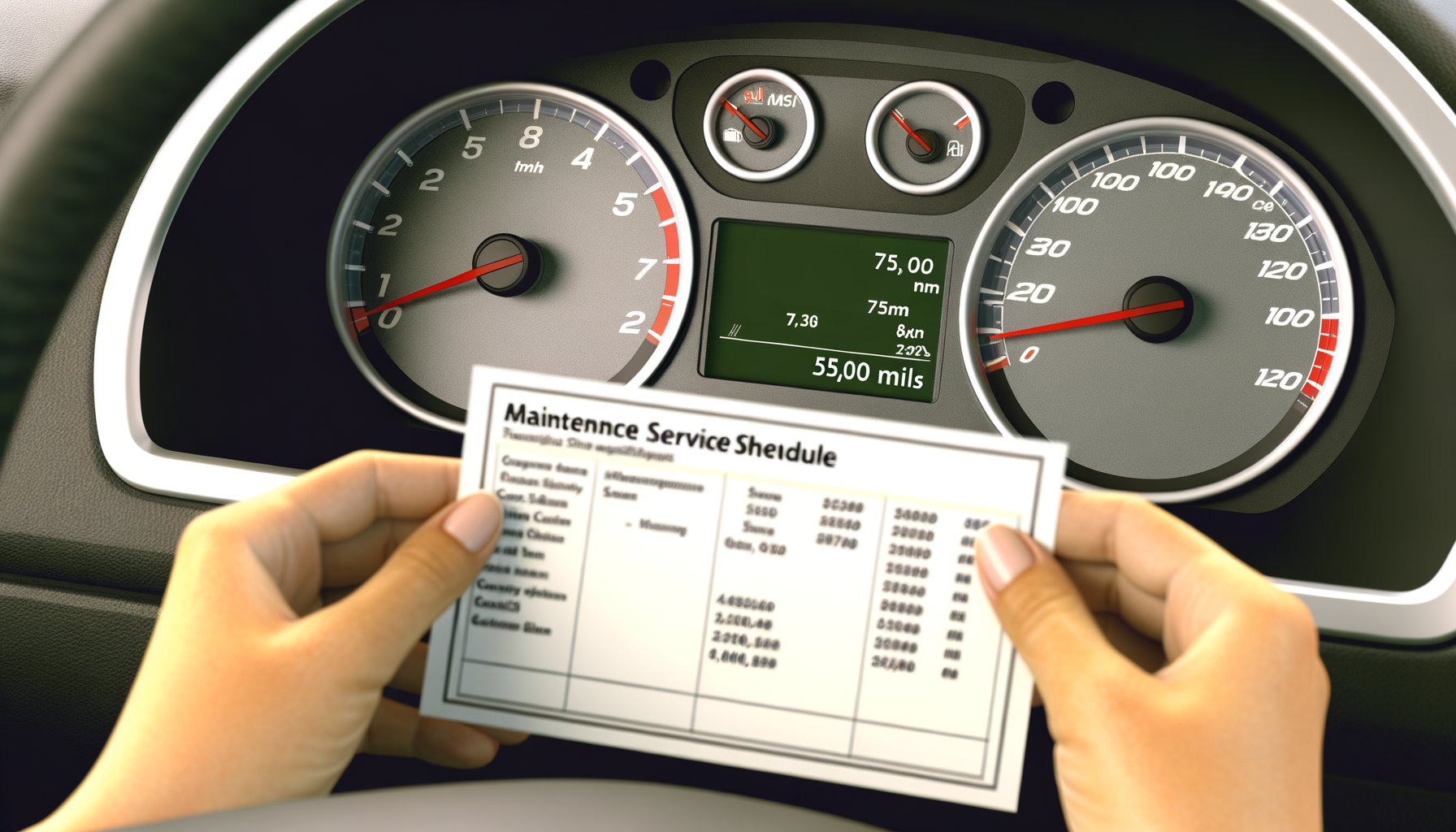
Your vehicle's mileage determines when specific services are needed, from oil changes every 5,000-7,500 miles to major maintenance at 60,000, 90,000, and 100,000+ mile intervals. Higher mileage vehicles require more frequent inspections and preventive care to avoid costly breakdowns.
Why Does Mileage Matter More Than Time?
While many people think about car maintenance in terms of months or years, mileage provides a much more accurate picture of your vehicle's actual wear and tear. Every mile puts stress on your engine, transmission, brakes, and other critical systems. A car driven 20,000 miles in one year experiences significantly more component wear than one driven 5,000 miles, regardless of the time period. Most manufacturers base their warranty coverage and service recommendations on mileage intervals because it directly correlates with mechanical stress. Understanding this relationship helps you anticipate service needs, budget for maintenance costs, and prevent unexpected breakdowns that could leave you stranded.
What Services Are Needed at Key Mileage Intervals?
Different vehicle systems require attention at specific mileage thresholds. Here's what to expect:
- 5,000-7,500 miles: Oil changes, basic fluid level checks, tire rotation, and visual inspection of belts and hoses
- 15,000-25,000 miles: Air filter replacement, cabin filter change, brake inspection, and battery test
- 30,000-40,000 miles: Transmission service, coolant system flush, spark plug replacement, and comprehensive brake service
- 60,000-75,000 miles: Timing belt replacement, major tune-up, suspension components inspection, and fuel system cleaning
- 90,000-100,000+ miles: Water pump, alternator, and starter assessments, plus comprehensive engine and transmission diagnostics
How Should High-Mileage Vehicles Change Your Service Approach?
Once your vehicle crosses the 75,000-mile threshold, your service strategy should shift from routine maintenance to proactive problem prevention. High-mileage vehicles benefit from more frequent oil changes, typically every 3,000-5,000 miles instead of the standard 7,500-mile intervals. Seals and gaskets begin to wear, making small leaks more common, so regular inspections become crucial. You'll want to establish a relationship with a trusted mechanic who can track patterns in your vehicle's condition and alert you to developing issues before they become expensive repairs. Consider switching to high-mileage motor oil and transmission fluid, which contain seal conditioners that help prevent leaks. The key is catching problems early when repairs are manageable rather than waiting for complete component failure.
What Warning Signs Indicate Service Needs Regardless of Mileage?
While mileage provides excellent guidance for planned maintenance, certain symptoms demand immediate attention regardless of when your last service occurred. Unusual noises, vibrations, or changes in how your vehicle handles should never be ignored. Dashboard warning lights, fluid leaks, difficulty starting, or changes in fuel economy all indicate potential problems that could worsen rapidly. Brake performance changes, steering issues, or overheating require immediate professional assessment. Severe driving conditions—frequent short trips, stop-and-go traffic, extreme temperatures, or dusty environments—can accelerate wear and necessitate more frequent service than standard mileage intervals suggest. Trust your instincts; you know your vehicle's normal behavior better than anyone.
How Can You Plan and Budget for Mileage-Based Service?
Smart service planning prevents both breakdowns and budget surprises:
- Track your annual mileage to predict when major services will be needed and start saving accordingly
- Request cost estimates for upcoming major service intervals so you can budget months in advance
- Consider bundling related services to save on labor costs when multiple systems need attention simultaneously
- Research typical costs for your vehicle make and model to identify fair pricing and avoid overcharging
- Build relationships with trusted service providers who can offer payment plans for major repairs
- Keep emergency funds available for unexpected repairs that high-mileage vehicles may require
How Does Driving Style Affect Service Timing?
Your driving habits significantly influence how quickly your vehicle accumulates wear, sometimes requiring service adjustments beyond standard mileage intervals. Highway driving is generally easier on most vehicle systems than city driving, which involves frequent stops, starts, and idling. Aggressive acceleration, hard braking, and high-speed driving increase wear on engines, brakes, and tires. Towing, carrying heavy loads, or driving in mountainous terrain puts extra stress on the transmission, cooling system, and brakes. Short trips where the engine doesn't reach full operating temperature can be harder on the motor than longer drives. If your driving style or conditions are particularly demanding, discuss modified service intervals with your mechanic to prevent premature component failure.
Essential Records to Track for Mileage-Based Service
Maintain these key pieces of information for optimal service planning:
- Current odometer reading and date of last oil change
- Mileage intervals for all upcoming scheduled maintenance
- History of completed services with dates and mileage
- Any symptoms or concerns noted between services
- Warranty coverage periods and mileage limits
- Average monthly mileage to predict service timing
- Contact information for trusted service providers
- Records of any recalls or technical service bulletins for your vehicle
When Should You Consider Replacement vs. Continued Service?
Every high-mileage vehicle eventually reaches a point where continued service becomes economically questionable. Generally, if annual repair costs exceed 50% of your vehicle's current value, replacement makes financial sense. However, this calculation should include the total cost of vehicle ownership, including insurance, registration, and financing for a replacement. A well-maintained high-mileage vehicle with documented service history often provides better value than a newer vehicle with unknown maintenance. Consider your driving needs, budget constraints, and risk tolerance. Some owners prefer the predictability of car payments over potential repair surprises, while others value the freedom of driving a paid-off vehicle despite occasional repair needs. The decision point varies based on individual circumstances, but tracking repair frequency and costs helps inform this important choice.
Frequently Asked Questions
How often should I change my oil based on mileage?
Most modern vehicles need oil changes every 5,000-7,500 miles for conventional oil, or up to 10,000 miles for full synthetic. High-mileage vehicles (75,000+ miles) benefit from more frequent changes every 3,000-5,000 miles to protect aging engine components.
At what mileage do most major repairs become necessary?
Major component replacements typically begin around 80,000-120,000 miles, including timing belts, water pumps, and transmission services. However, proper maintenance can extend component life, while neglect can cause failures much earlier.
Should I follow time-based or mileage-based service intervals?
Always follow whichever interval comes first. If you drive less than 10,000 miles annually, time-based intervals prevent oil and fluid degradation. For high-mileage drivers, mileage-based scheduling better matches actual wear patterns.
How does mileage affect my vehicle's warranty coverage?
Most warranties specify both time and mileage limits, with coverage ending when you reach either threshold first. Powertrain warranties typically last longer than basic coverage, often extending to 100,000+ miles depending on the manufacturer.
Can I extend service intervals if I use premium fluids?
Premium oils and fluids may allow slightly longer intervals, but you should never exceed manufacturer recommendations. High-quality fluids provide better protection and performance but don't eliminate the need for regular service based on your vehicle's specifications.
What mileage records should I keep for resale value?
Maintain complete service records showing regular maintenance, major repairs, and mileage at each service. Documented maintenance history can increase resale value by thousands of dollars and helps buyers understand the vehicle's condition and care level.
Find Trusted Service Providers
Tools like Linked By Six connect you with mechanics and service providers your network already trusts, making it easier to find reliable professionals who understand mileage-based maintenance needs. See which local shops your friends and colleagues recommend before you need emergency repairs.
Understanding how mileage affects your vehicle's service needs empowers you to plan ahead, budget appropriately, and prevent costly breakdowns. By tracking your driving patterns, maintaining detailed service records, and establishing relationships with trusted mechanics, you can maximize your vehicle's lifespan while minimizing unexpected repair costs. Remember that mileage-based maintenance is an investment in reliability, safety, and long-term value—not just an expense to be delayed.