
How Indoor Air Quality Affects Your Home Comfort
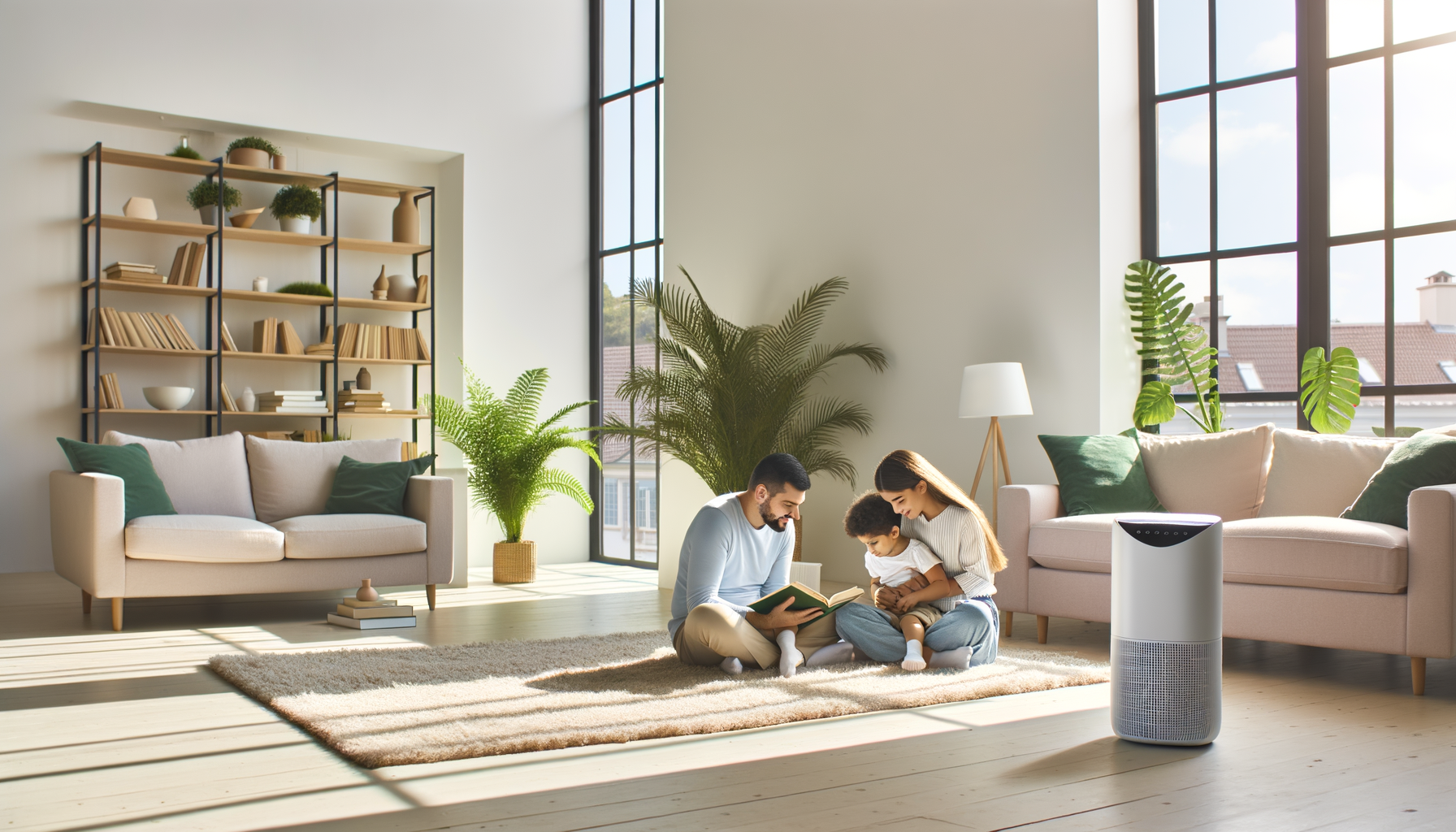
Indoor air quality directly impacts comfort through temperature regulation, humidity control, and respiratory health. Poor air quality causes stuffiness, uneven heating, increased allergies, and higher energy costs, while clean air creates a more comfortable, healthy living environment.
What Makes Indoor Air Quality Poor?
Indoor air quality deteriorates from multiple sources that most homeowners don't realize are affecting their comfort. Common pollutants include dust mites, pet dander, volatile organic compounds (VOCs) from cleaning products and furniture, cooking odors, and outdoor pollutants that seep inside. Poor ventilation traps these contaminants, creating a cycle where stale air recirculates throughout your home. Modern homes, built for energy efficiency, can actually worsen air quality by sealing in pollutants. Additionally, high humidity creates breeding grounds for mold and bacteria, while low humidity causes static electricity and dry skin. Understanding these sources helps explain why some homes feel stuffy or uncomfortable even when the temperature seems right.
How Poor Air Quality Affects Your Daily Comfort
The impact of air quality on comfort goes far beyond just breathing. Here's how poor indoor air affects your daily life:
- Temperature feels inconsistent - pollutants interfere with air circulation, creating hot and cold spots
- Increased fatigue and brain fog from reduced oxygen levels and exposure to indoor pollutants
- Sleep quality suffers due to stuffy air, allergens, and poor humidity levels
- Skin and eye irritation from dry air or chemical pollutants
- Persistent odors that make spaces feel unpleasant and unwelcoming
- Higher stress levels as your body works harder to filter contaminated air
Why Your HVAC System Struggles with Poor Air Quality
Your heating and cooling system works overtime when air quality is poor, directly impacting both comfort and energy bills. Dirty air clogs filters faster, reducing airflow and forcing your system to work harder to maintain temperature. This creates uneven heating and cooling throughout your home. Pollutants also coat evaporator coils and ductwork, reducing efficiency by up to 20%. When your HVAC system can't circulate air properly, you'll notice rooms that are always too hot or cold, longer run times to reach desired temperatures, and higher utility bills. Additionally, poor air quality often correlates with humidity problems - either too much moisture that makes spaces feel muggy, or too little that makes the air feel harsh and dry.
How to Identify Air Quality Problems in Your Home
Recognizing air quality issues early helps you address comfort problems before they worsen:
- Walk through your home and notice any persistent odors, stuffiness, or rooms that feel different from others
- Check your HVAC filter monthly - if it's dirty quickly or has unusual discoloration, air quality may be poor
- Monitor humidity levels with a simple hygrometer - ideal range is 30-50% year-round
- Pay attention to physical symptoms like morning congestion, dry throat, or headaches that improve when you leave home
- Look for visible signs like dust accumulation, condensation on windows, or mold growth in bathrooms
What Professional Air Quality Solutions Actually Work?
Effective air quality improvement requires professional assessment and targeted solutions. HVAC technicians can install whole-home air purification systems that work with your existing heating and cooling system, providing consistent filtration throughout every room. UV lights installed in ductwork kill mold, bacteria, and viruses, while whole-home dehumidifiers and humidifiers maintain optimal moisture levels year-round. Professional duct cleaning removes accumulated pollutants from your ventilation system, immediately improving airflow and reducing contaminants. Energy recovery ventilators (ERVs) bring in fresh outdoor air while maintaining energy efficiency. The key is having a qualified technician assess your specific home and recommend solutions based on your air quality challenges, home size, and existing HVAC system.
Which DIY Improvements Make the Biggest Difference?
While professional solutions provide the most comprehensive results, several DIY approaches can significantly improve comfort:
- Replace HVAC filters every 1-3 months with high-quality pleated filters (MERV 8-11 rating)
- Add indoor plants like spider plants, peace lilies, and rubber trees that naturally filter air
- Use exhaust fans consistently when cooking and showering to remove moisture and pollutants
- Open windows strategically when outdoor air quality is good to flush out stale indoor air
- Keep humidity between 30-50% using portable humidifiers or dehumidifiers as needed
- Choose low-VOC cleaning products, paints, and furniture to reduce chemical pollutants
How Much Should Air Quality Improvements Cost?
Air quality improvement costs vary widely based on your home's needs and chosen solutions. Basic improvements like quality air filters and portable air purifiers cost $100-500 annually. Mid-range solutions including professional duct cleaning, upgraded thermostats, and whole-home humidifiers range from $1,500-4,000. Comprehensive systems with whole-home air purification, UV lights, and energy recovery ventilators typically cost $3,000-8,000 but provide the most significant comfort improvements. Many homeowners see immediate comfort benefits and energy savings that offset costs over time. The investment is particularly worthwhile if family members have allergies, asthma, or if your home feels consistently uncomfortable despite proper temperature settings. Professional assessment helps prioritize improvements that will make the biggest impact on your specific comfort issues.
Monthly Air Quality Maintenance Checklist
Keep your indoor air clean and comfortable with these regular tasks:
- Check and replace HVAC filter if dirty
- Clean exhaust fan grilles in bathrooms and kitchen
- Wipe down air vents and returns to remove dust buildup
- Check humidity levels and adjust humidifier/dehumidifier settings
- Vacuum upholstered furniture and carpets thoroughly
- Clean or replace portable air purifier filters
- Open windows on mild days to bring in fresh air
- Check for signs of mold or excessive moisture in problem areas
Frequently Asked Questions
How quickly will I notice improved comfort after addressing air quality?
Most people notice improved comfort within 24-48 hours of implementing air quality solutions. Better airflow and reduced pollutants create immediate improvements in how spaces feel and smell.
Can poor indoor air quality really affect my energy bills?
Yes, poor air quality can increase energy costs by 20-30%. Dirty filters and pollutants make HVAC systems work harder, leading to longer run times and higher utility bills.
What's the most important first step to improve indoor air quality?
Start with high-quality HVAC filters and consistent replacement. This simple change improves air circulation and removes many common pollutants, providing immediate comfort benefits.
Do I need professional help or can I improve air quality myself?
Both approaches work best together. DIY maintenance handles day-to-day air quality, while professional assessment identifies hidden problems and installs comprehensive solutions for lasting comfort.
How do I know if my home's humidity levels are affecting comfort?
Use a digital hygrometer to measure humidity. Levels below 30% cause dry skin and static electricity, while above 50% creates stuffiness and potential mold growth.
Will improving air quality help with allergies and sleep problems?
Yes, cleaner indoor air significantly reduces allergens and creates better sleep conditions. Many people experience fewer nighttime symptoms and wake up feeling more refreshed.
Find Trusted HVAC Professionals
Ready to improve your home's air quality and comfort? Tools like Linked By Six help you discover which HVAC contractors and air quality specialists your friends and neighbors already trust—see your network's recommendations before you search.
Indoor air quality profoundly impacts daily comfort, affecting everything from how your home feels to your energy bills and health. While poor air quality creates stuffiness, uneven temperatures, and increased allergens, implementing the right solutions transforms your living space into a more comfortable, healthy environment. The most effective approach combines professional assessment and installation with consistent DIY maintenance. Whether you start with simple filter upgrades or invest in comprehensive whole-home systems, improving indoor air quality delivers immediate comfort benefits and long-term value for your home and family.