
How Smart Home Organization Cuts Maintenance Time in Half
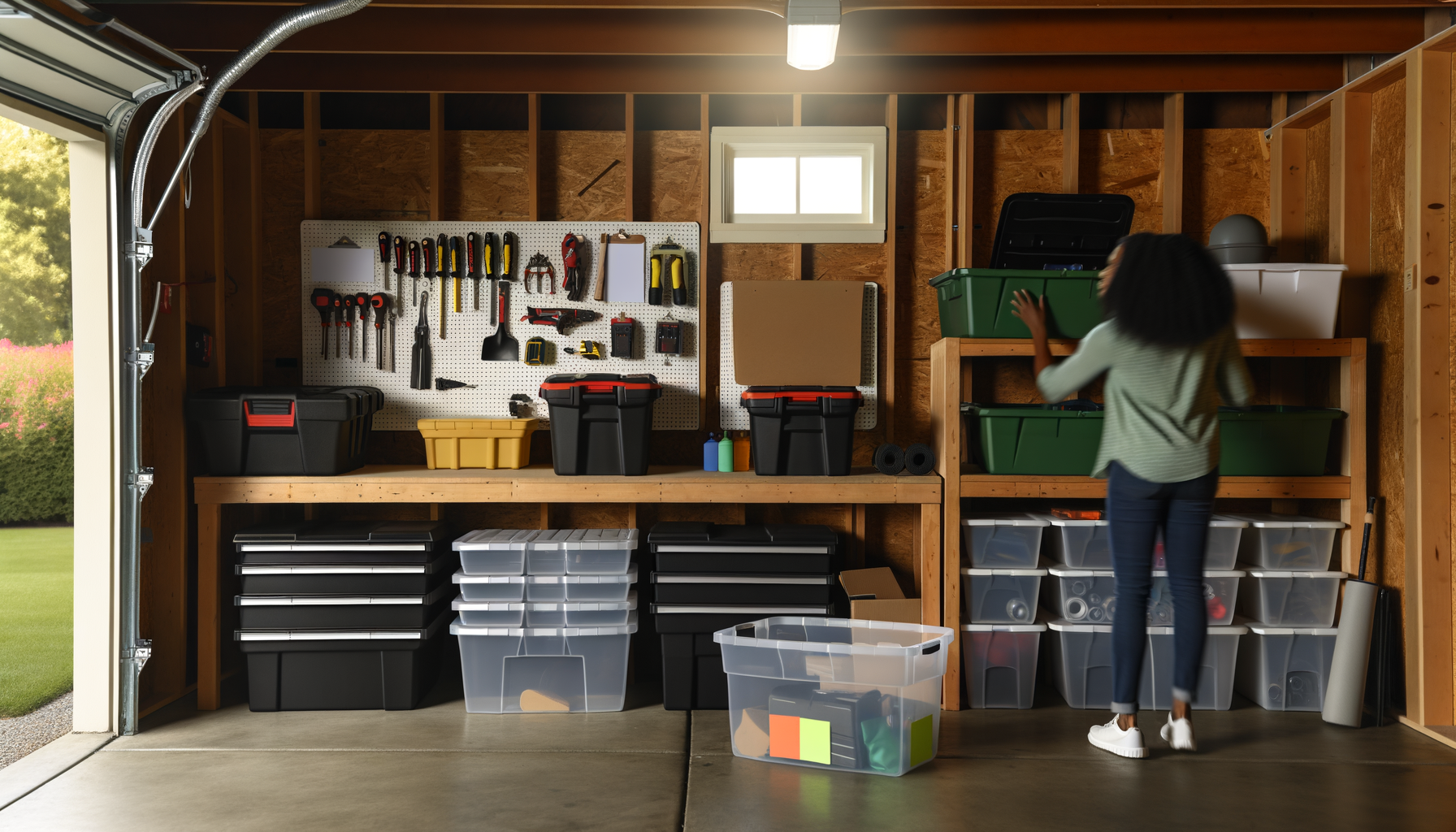
Smart home organization reduces maintenance time by 40-60% through strategic storage, accessible tool placement, and systematic inventory management. Organized homes enable faster problem identification, quicker repairs, and prevent costly emergency situations through proactive maintenance scheduling.
Why Does Organization Directly Impact Maintenance Efficiency?
The connection between organization and maintenance efficiency runs deeper than simply finding tools faster. When your home is systematically organized, you naturally become more aware of its condition. You notice the loose cabinet handle during your weekly declutter, spot the water stain before it becomes a major leak, and catch wear patterns early. This awareness transforms reactive emergency repairs into proactive maintenance—saving both time and money. Research from the National Association of Professional Organizers shows that organized homeowners spend 40% less time on maintenance tasks and experience 60% fewer emergency repairs. The key lies in creating systems that make problems visible and solutions accessible.
What Are the Essential Organization Systems for Maintenance?
Building effective maintenance organization requires four core systems that work together:
- Command Center Setup: Create a dedicated space for maintenance schedules, warranty information, service provider contacts, and seasonal checklists. Use a binder or digital system to track when systems were last serviced and when they're due for attention.
- Strategic Tool Storage: Position frequently used tools in multiple locations rather than centralizing everything. Keep basic tools (screwdriver set, flashlight, measuring tape) in kitchen, bathroom, and bedroom areas for immediate access.
- Supply Inventory System: Maintain organized stock of common repair supplies—light bulbs, batteries, filters, caulk, and fasteners. Label containers clearly and keep inventory lists to prevent last-minute store runs during repairs.
- Documentation Hub: Store user manuals, warranty cards, paint codes, and before/after photos of completed projects in easily accessible formats. This prevents repeated research and ensures consistent maintenance approaches.
How Does Clutter Sabotage Maintenance Efforts?
Clutter creates a cascade of maintenance problems that compound over time. When spaces are packed with excess items, you can't see developing issues—water damage hides behind stacked boxes, pest problems develop in forgotten corners, and ventilation systems become blocked. Even more critically, clutter makes routine maintenance tasks feel overwhelming, leading to procrastination. A homeowner facing a cluttered basement might delay checking the water heater for months, turning a simple maintenance check into a costly replacement. The psychological burden of clutter also reduces your motivation to maintain your space well. Clean, organized environments naturally inspire better care, while chaotic spaces tend to accumulate more problems through neglect.
Which Areas Require Priority Organization for Maintenance?
Focus your organization efforts on these high-impact maintenance zones:
- Utility areas (basement, garage, utility room) where major systems are located and problems often start
- Storage spaces under sinks where plumbing issues first become visible
- Attics and crawl spaces where insulation, ventilation, and structural issues develop
- Entry points (doors, windows) where weather-related maintenance needs arise
- High-use areas (kitchens, bathrooms) where daily wear shows maintenance needs fastest
What Tools and Systems Make the Biggest Impact?
The most effective maintenance organization tools are surprisingly simple and focus on visibility and accessibility. Clear storage containers allow you to see inventory at a glance, while magnetic tool holders keep essentials visible on appliances and metal surfaces. Pegboard systems in utility areas create flexible, organized tool storage that adapts to changing needs. For documentation, a simple three-ring binder with plastic sleeves protects important papers while keeping them portable. Digital tools like smartphone apps for tracking maintenance schedules work well for tech-savvy homeowners, but physical calendars often prove more reliable for ongoing motivation. The key is choosing systems you'll actually use consistently rather than complex solutions that become abandoned projects.
How Can You Create a Maintenance-Ready Organization System?
Use this checklist to build your maintenance organization foundation:
- Designate a maintenance command center with calendar, contact list, and supply inventory
- Create tool stations in three locations: main workshop area plus two convenience locations
- Organize supplies by project type (plumbing, electrical, painting) in labeled containers
- Establish a documentation system for manuals, warranties, and maintenance records
- Set up seasonal storage with clearly marked maintenance supplies for each season
- Install adequate lighting in all utility and storage areas for safe maintenance work
- Create clear pathways to all major systems (water heater, HVAC, electrical panel)
- Establish a 'staging area' for ongoing maintenance projects to keep tools and supplies organized
How Does Organization Prevent Emergency Maintenance Situations?
Prevention through organization works on multiple levels. When your home systems are visible and accessible, you naturally inspect them more frequently during routine activities. This leads to early problem detection—catching issues during the 'minor repair' stage rather than waiting for complete failure. Organized maintenance also means having the right supplies on hand when problems arise, preventing minor issues from becoming major emergencies due to delayed repairs. Additionally, organized documentation helps you maintain proper service schedules and warranty compliance, extending equipment life and preventing premature failures. The most significant benefit is reduced stress during actual emergencies—when you need to shut off water or reset electrical systems, organized access and clear labeling make critical actions fast and intuitive.
The homeowners who call me after major maintenance disasters almost always say the same thing: 'I knew something was wrong, but I couldn't get to it to check.' Organization isn't just about tidiness—it's about protecting your investment through better access and awareness.
Maria Rodriguez, Professional Home Organizer
What Are the Long-Term Benefits of Maintenance Organization?
The financial returns on maintenance organization compound over time, creating substantial value beyond the initial time investment. Organized maintenance typically extends equipment life by 20-30% through consistent care and early problem detection. This translates to thousands of dollars in avoided replacement costs over a typical homeownership period. The time savings are equally significant—organized homeowners report spending 2-3 hours less per month on maintenance tasks, freeing up valuable weekend time. Perhaps most importantly, organized maintenance creates a sense of control and confidence about homeownership. When you know where everything is and have systems for staying ahead of problems, home maintenance becomes a manageable part of life rather than a source of stress and surprise expenses.
Frequently Asked Questions
How much time should I invest in organizing for maintenance efficiency?
Plan for 8-12 hours initially to set up core systems, then 30 minutes weekly for maintenance. Most homeowners recover this time investment within the first month through increased efficiency.
What's the most important area to organize first for home maintenance?
Start with your main utility area where major systems are located. Organizing access to water heater, electrical panel, and HVAC systems provides immediate safety and efficiency benefits.
Do I need expensive organization products for effective maintenance systems?
No. Basic clear containers, labels, and simple storage solutions work best. Focus on visibility and accessibility rather than expensive organizing products that may not fit your specific needs.
How can organization help me find reliable maintenance providers?
Organized documentation of past work helps you track provider performance, while clear project specifications help you communicate needs effectively to potential service providers, leading to better results.
What maintenance supplies should I always keep organized and accessible?
Focus on emergency essentials: flashlight, basic tools, shut-off valve locations, circuit breaker labels, and contact information for utilities. These enable immediate response to urgent situations.
How does seasonal organization impact maintenance efficiency?
Seasonal organization ensures maintenance supplies are available when needed—roof materials before storm season, heating system supplies before winter, preventing delayed repairs that worsen over time.
Find Trusted Maintenance Providers
Even with perfect organization, some maintenance tasks require professional help. Tools like Linked By Six automatically show you which local contractors and service providers your friends and colleagues trust—giving you vetted options before you search. See your network's trusted connections and make confident maintenance decisions.
Home organization and maintenance efficiency are inseparable partners in successful homeownership. By creating systems that make problems visible, solutions accessible, and maintenance proactive rather than reactive, you transform one of homeownership's biggest stress points into a manageable routine. The initial investment in organizing your maintenance approach pays dividends in time saved, money preserved, and peace of mind gained. Start with one utility area, build systems that work for your lifestyle, and watch as organized maintenance becomes a natural part of caring for your home. Remember that the goal isn't perfection—it's creating sustainable systems that make maintenance feel less overwhelming and more empowering.