
How Regular Home Maintenance Prevents Costly Repairs
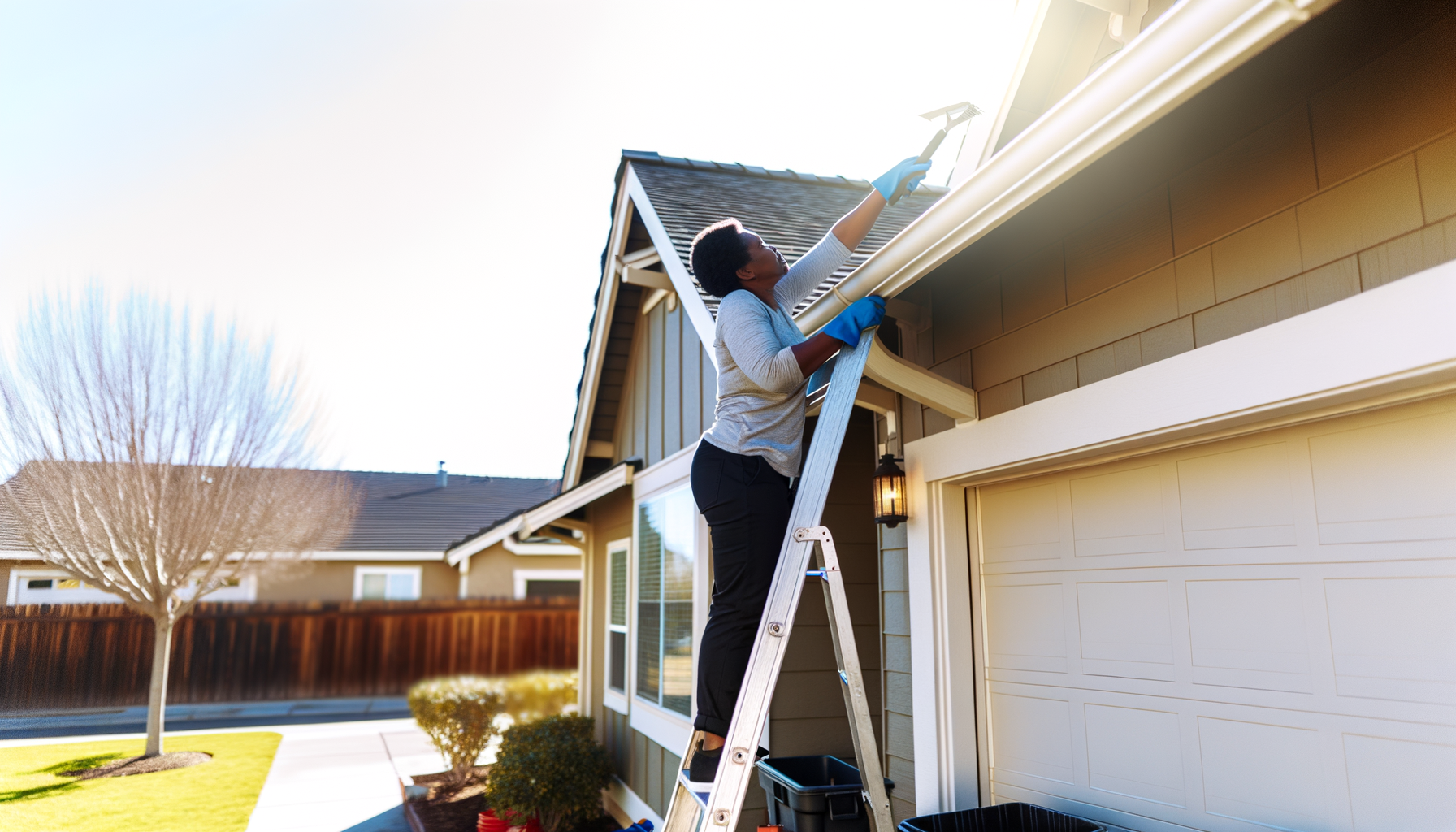
Regular maintenance routines reduce household wear by addressing small issues before they become major problems, extending equipment life by 40-60% and preventing emergency repairs that cost 3-5 times more than preventive care.
Why Do Homes Deteriorate Without Regular Maintenance?
Every home faces constant environmental stress—temperature fluctuations, moisture, dust, and daily use create microscopic damage that compounds over time. Without intervention, small issues like a loose shingle or slow drain become major structural problems or flooding disasters. Think of maintenance like healthcare for your home: regular checkups catch problems early when they're inexpensive and manageable. The alternative is emergency surgery that's traumatic and costly. Homes maintained with consistent routines retain their value better, function more efficiently, and provide safer, more comfortable living environments. Studies show well-maintained homes sell for 10-15% more than neglected properties.
What Are the Core Systems That Need Regular Attention?
Focus your maintenance efforts on these critical systems that impact your entire home:
- HVAC System: Change filters monthly, annual professional tune-ups, clean vents and ducts. Poor maintenance reduces efficiency by 30% and shortens equipment life.
- Plumbing: Inspect for leaks quarterly, flush water heater annually, clean drains monthly. Small leaks waste 10,000+ gallons yearly and cause structural damage.
- Roof and Gutters: Inspect twice yearly, clean gutters seasonally, replace damaged shingles immediately. Water damage from neglected roofs averages $8,000 in repairs.
- Exterior Maintenance: Power wash annually, touch up paint, seal cracks, maintain landscaping drainage. Weather exposure accelerates deterioration exponentially.
- Electrical System: Test outlets and breakers annually, check for loose connections, update old wiring. Electrical issues cause 13% of house fires.
- Windows and Doors: Check seals, lubricate hinges, clean tracks, replace weatherstripping. Poor seals increase energy costs by 25%.
How Much Money Does Preventive Maintenance Actually Save?
The numbers are compelling: homeowners who follow maintenance routines spend 60% less on repairs over 10 years compared to reactive maintainers. A $200 annual HVAC tune-up prevents the $3,000 emergency replacement of a failed system. Monthly $5 drain treatments avoid $500 emergency plumber calls. The rule of thumb is that every $1 spent on preventive maintenance saves $4-7 in emergency repairs. Beyond direct costs, maintained homes have lower insurance premiums, reduced utility bills, and fewer disruptions to daily life. Emergency repairs often happen at inconvenient times—holidays, extreme weather, or when you're traveling—multiplying both stress and costs.
What Should Your Monthly Maintenance Routine Include?
Complete these tasks every month to prevent major issues:
- Change HVAC filters and check thermostat batteries
- Test smoke and carbon monoxide detector batteries
- Clean garbage disposal and check for plumbing leaks
- Inspect washing machine hoses and dryer vents
- Check exterior lights and replace burnt bulbs
- Clean range hood filters and kitchen exhaust fan
- Test garage door opener safety features
- Inspect caulking around tubs, showers, and windows
- Clean out dryer lint trap and inspect exterior vent
- Check water pressure and run water in unused drains
When Should You Call Professionals vs. DIY Maintenance?
Understanding your limits prevents dangerous mistakes and costly repairs. Handle simple tasks like filter changes, caulking, and basic cleaning yourself. However, call professionals for electrical work beyond changing fixtures, gas appliance repairs, structural issues, or anything requiring permits. The key is building relationships with trusted service providers before you need them. Emergency calls to unknown contractors often result in overcharging and poor work. Professional maintenance visits also serve as educational opportunities—ask technicians to explain what they're checking and what warning signs to watch for. Many issues have subtle early indicators that trained eyes catch but homeowners miss.
How Do Seasonal Changes Affect Maintenance Needs?
Adapt your maintenance routine to weather patterns and seasonal stresses:
- Spring: Inspect roof damage from winter, clean gutters, service AC before hot weather, check exterior for winter damage, trim trees away from house
- Summer: Monitor AC performance, check for pest entry points, maintain lawn irrigation, inspect deck and outdoor structures for safety
- Fall: Clean gutters after leaves fall, winterize outdoor plumbing, service heating system, seal gaps where cold air enters, check insulation
- Winter: Monitor ice dam formation, keep vents clear of snow, check for frozen pipes, maintain emergency supplies, monitor indoor humidity levels
I've seen $50,000 foundation repairs that started as a $200 gutter cleaning job. The homeowners who avoid these disasters are the ones who treat maintenance like a recurring appointment, not something they'll 'get around to someday.'
Mike Rodriguez, Licensed General Contractor, 25 years experience
What Tools and Supplies Should Every Homeowner Keep Ready?
A well-stocked maintenance toolkit prevents small problems from becoming emergencies. Essential tools include adjustable wrenches, screwdrivers, pliers, flashlight, level, and a good ladder. Keep supplies like caulk, weatherstripping, furnace filters, light bulbs, and basic plumbing parts on hand. More importantly, maintain a list of your home's specifications—filter sizes, paint colors, fixture models—so you can quickly order the right replacement parts. Digital photos of your electrical panel, water shutoffs, and appliance model numbers save precious time during emergencies. Consider investing in a wet/dry vacuum, cordless drill, and basic electrical tester—these handle 80% of common maintenance tasks.
How Do You Track and Schedule Everything Effectively?
Successful maintenance requires organization and consistency. Create a simple calendar system—whether digital or paper—that reminds you of tasks before they become urgent. Many homeowners use smartphone apps or simple spreadsheets to track what's been done and what's coming due. The key is choosing a system you'll actually use consistently. Record completion dates, costs, and any observations about your home's condition. This history helps identify patterns and proves invaluable when working with service professionals. Consider seasonal reminders tied to daylight saving time changes or other memorable dates. Some homeowners batch similar tasks together—all filter changes on the first Saturday of each month, all exterior inspections when seasons change.
Frequently Asked Questions
How much should I budget annually for home maintenance?
Budget 1-3% of your home's value annually for maintenance and repairs. For a $300,000 home, that's $3,000-$9,000 per year. Newer homes need less, older homes more.
Can I really prevent most major home repairs with maintenance?
Yes, studies show 80% of major home repairs result from deferred maintenance. Regular attention to key systems prevents most emergency situations and catastrophic failures.
What's the most important maintenance task homeowners skip?
HVAC filter changes are the most commonly skipped task with serious consequences. Dirty filters reduce efficiency, damage equipment, and worsen indoor air quality significantly.
Should I hire the same company for all maintenance needs?
Use specialists for each system—HVAC technicians, plumbers, electricians—rather than general handymen for critical maintenance. Specialists catch problems generalists miss and provide better service.
How do I find reliable maintenance professionals before I need them?
Research during non-emergency times, check licensing and insurance, read reviews, and get recommendations. Building relationships with quality contractors before problems arise saves money and stress.
Is it worth paying for annual maintenance contracts?
Yes, for major systems like HVAC and plumbing. Maintenance contracts ensure regular service, provide priority scheduling, often include discounts, and help catch problems early.
Find Trusted Maintenance Professionals
Don't wait for emergencies to find reliable contractors. Tools like Linked By Six automatically show you which local maintenance professionals your network already trusts, making it easy to build relationships with quality service providers before you need them urgently.
Regular maintenance routines transform homeownership from a series of expensive emergencies into predictable, manageable care. The investment in time and money pays dividends through extended equipment life, prevented disasters, and peace of mind. Start with basic monthly tasks, build relationships with trusted professionals, and create systems that keep you on track. Your future self—and your bank account—will thank you for the proactive approach. Remember, every small action today prevents a major headache tomorrow.