
How Pet Grooming Helps Detect Health Issues Early
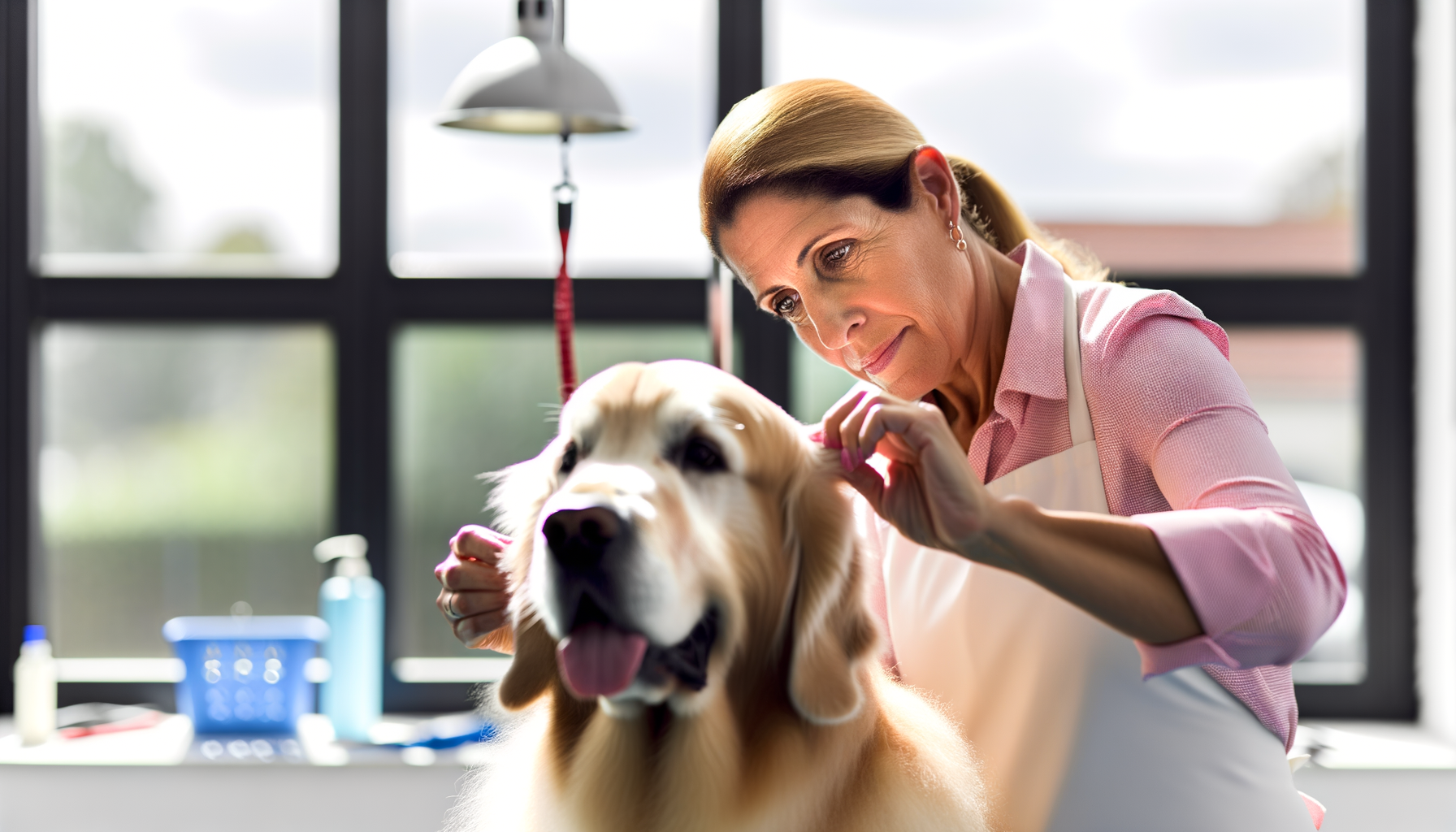
Professional pet groomers serve as an early warning system for health issues, examining your pet's skin, ears, eyes, and body condition during each session. Their trained hands can detect lumps, infections, parasites, and other problems weeks before symptoms become obvious to owners.
Why Do Groomers Spot Health Issues First?
Professional groomers have a unique advantage in pet health detection—they physically handle hundreds of animals and know what normal feels like. During a typical grooming session, they examine every inch of your pet's body, from nose to tail. This hands-on approach reveals subtle changes that even attentive owners might miss. Groomers work with consistent lighting and have trained eyes to spot irregularities in skin texture, coat condition, and body symmetry. They also encounter your pet in a calm, controlled environment where behavioral changes become more apparent. Unlike veterinary visits that happen annually, regular grooming creates ongoing health surveillance that catches problems in their earliest stages.
What Health Problems Do Groomers Commonly Detect?
Professional groomers frequently identify these health concerns during routine appointments:
- Skin conditions like hot spots, dermatitis, or fungal infections before they spread
- Ear infections, mites, or excessive wax buildup that can lead to hearing problems
- Lumps, bumps, or masses that could indicate tumors or cysts
- Dental issues including broken teeth, gum disease, or oral infections
- Parasites such as fleas, ticks, or mites hiding in the coat
- Eye problems like infections, cataracts, or corneal scratches
- Nail or paw pad injuries that could become infected
- Weight changes or muscle atrophy that indicate underlying health issues
How Does the Grooming Process Enable Health Screening?
The grooming process naturally incorporates comprehensive health screening through systematic examination. Bathing reveals skin conditions hidden under fur, while brushing exposes parasites and skin irritations. Nail trimming allows groomers to check paw health and detect swelling or injuries. Ear cleaning provides opportunity to spot infections, odors, or unusual discharge. Teeth brushing or dental inspection reveals oral health problems. The drying process uses hands-on techniques that can detect lumps or sensitive areas your pet might hide from you at home. Professional groomers also observe your pet's mobility, energy levels, and behavior patterns, noting changes that could indicate pain or illness. This multi-step process creates multiple checkpoints for health assessment.
What Makes Professional Groomers Better Than Home Grooming for Health Detection?
While home grooming has benefits, professional groomers bring specialized training and objectivity that enhance health detection. They're educated to recognize abnormal conditions and have experience with breed-specific health issues. Professional groomers use proper lighting and positioning to examine areas that are difficult to assess at home. They maintain emotional distance that allows them to notice changes you might overlook due to daily familiarity with your pet. Additionally, professional groomers have established relationships with local veterinarians and know when to recommend immediate medical attention versus routine monitoring. Their regular schedule creates consistent intervals for health assessment, unlike sporadic home grooming sessions.
How Should You Choose a Health-Conscious Groomer?
Follow these steps to find a groomer who prioritizes health detection:
- Look for certified groomers with formal training in pet health and anatomy
- Ask about their health screening process and what they examine during appointments
- Request references from other pet owners whose animals have similar health needs
- Verify they maintain detailed records and communicate findings clearly
- Ensure they have established relationships with local veterinarians for referrals
- Observe their facility for cleanliness and proper sanitation protocols
- Confirm they're comfortable handling pets with existing health conditions
When Should Grooming Frequency Increase for Health Monitoring?
Certain situations warrant more frequent grooming appointments to enhance health monitoring. Senior pets benefit from monthly visits as aging brings increased health risks and faster condition changes. Pets with chronic conditions like allergies, diabetes, or arthritis need regular professional assessment to catch complications early. Breeds prone to specific health issues—such as ear infections in floppy-eared dogs or skin conditions in wrinkled breeds—require specialized attention. Pets recovering from illness or injury benefit from professional monitoring during healing. Additionally, any pet showing behavioral changes, eating differently, or seeming uncomfortable should have increased grooming frequency to ensure thorough health evaluation by trained professionals.
How Can You Maximize Health Benefits from Grooming Appointments?
Maximizing health detection during grooming requires active communication and preparation. Before appointments, note any concerns or changes you've observed in your pet's behavior, appetite, or energy levels. Ask your groomer to pay special attention to specific areas of concern. Request detailed feedback after each session, including photos of any findings when appropriate. Maintain consistent appointment scheduling to establish baseline health patterns. Keep records of your groomer's observations to share with your veterinarian during check-ups. Consider seasonal adjustments—for example, more frequent tick checks during warmer months or skin assessments during dry winter weather. Building a long-term relationship with one groomer allows them to become familiar with your pet's normal condition and quickly spot changes.
Frequently Asked Questions
How often should my pet see a groomer for health monitoring?
Most pets benefit from professional grooming every 4-6 weeks for optimal health detection. Senior pets, those with chronic conditions, or breeds with specific health risks may need monthly appointments for more frequent monitoring.
Can groomers diagnose health problems in pets?
No, groomers cannot diagnose medical conditions—only veterinarians can provide diagnoses. However, professional groomers are trained to identify potential health concerns and recommend when veterinary evaluation is needed.
What should I do if my groomer finds something concerning?
Schedule a veterinary appointment promptly if your groomer identifies potential health issues. Bring detailed notes about the groomer's findings and ask them to document their observations with photos if possible.
Are mobile groomers as effective for health detection?
Yes, mobile groomers can be equally effective for health detection if they're properly trained and certified. The key is their expertise and systematic approach to examining your pet, not the location of service.
Should I mention my pet's health history to my groomer?
Absolutely. Share your pet's complete health history, current medications, and any ongoing concerns with your groomer. This information helps them provide more targeted health monitoring during appointments.
How do I find a groomer experienced in health detection?
Look for certified groomers with formal training, ask about their health screening process, and request references from other pet owners. Professional groomers should be comfortable discussing their approach to health monitoring.
Find a Trusted Pet Groomer
Finding a health-conscious groomer shouldn't mean calling around blindly or relying on anonymous online reviews. Tools like Linked By Six automatically show you which local pet groomers your friends, neighbors, and colleagues already trust—giving you confidence in your choice before you book that first appointment.
Professional pet grooming serves as much more than aesthetic care—it's a crucial component of your pet's health maintenance system. Skilled groomers act as early warning systems, detecting health issues weeks or months before they become serious problems. By choosing a qualified, health-conscious groomer and maintaining regular appointments, you're investing in preventive care that can save your pet from unnecessary suffering and potentially save you thousands in emergency veterinary costs. The key is finding a professional groomer who prioritizes health detection and communicates findings clearly, creating a partnership that supports your pet's long-term wellbeing.