
How Exterior Drainage Affects Your Foundation's Stability
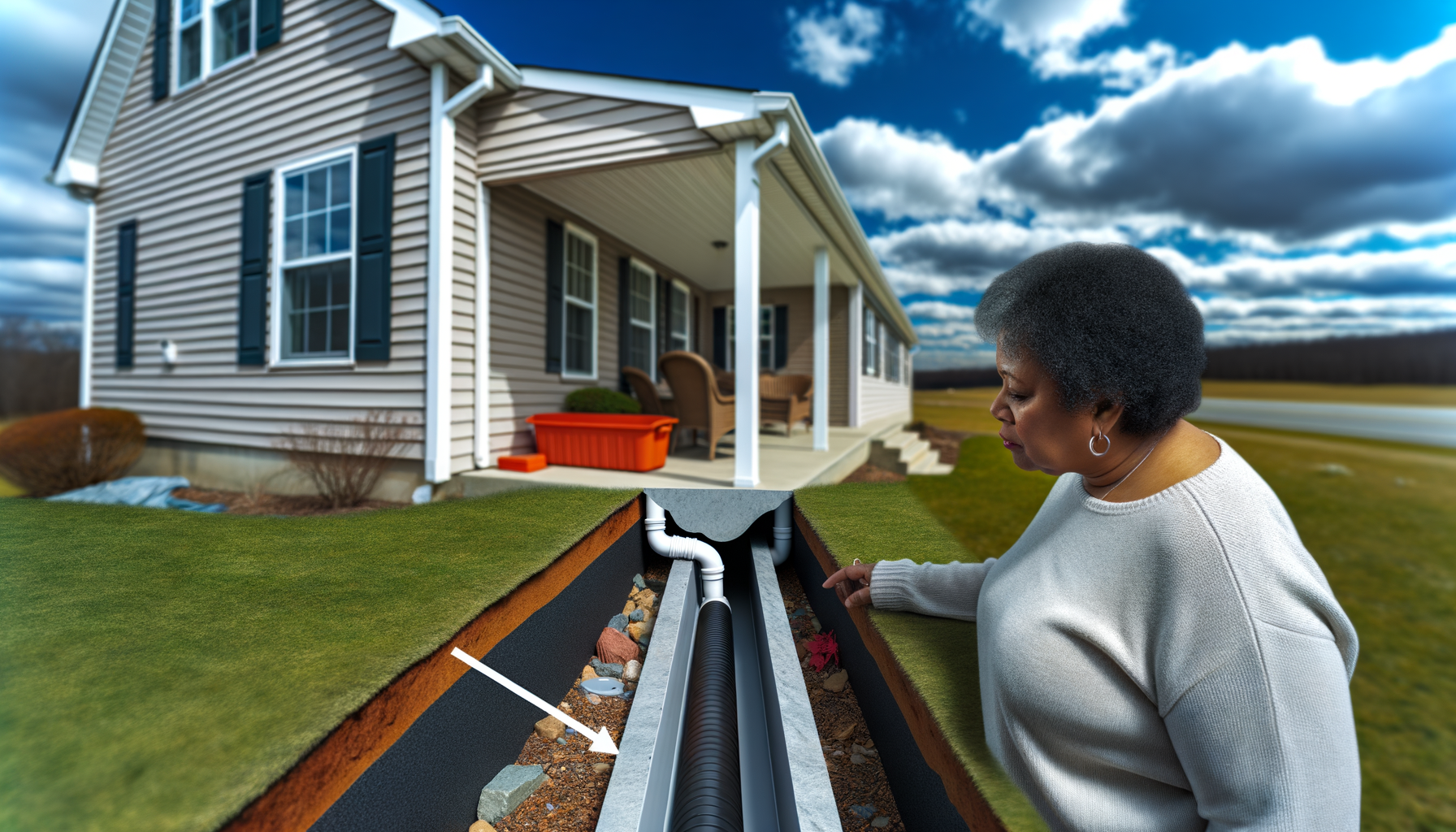
Exterior drainage directly impacts foundation stability by controlling water flow around your home. Poor drainage causes soil expansion, hydrostatic pressure, and erosion that can lead to foundation settling, cracking, and structural damage requiring expensive repairs.
Why Does Water Threaten Your Foundation?
Water is your foundation's biggest enemy because it fundamentally alters the soil conditions that support your home. When water accumulates around your foundation, it creates hydrostatic pressure—essentially water pushing against your foundation walls with tremendous force. This pressure can cause cracks, bowing, and even complete structural failure over time. Additionally, different soil types react dramatically to moisture changes. Clay soils expand significantly when wet, pushing against foundation walls, while sandy soils can wash away, removing crucial support. The freeze-thaw cycle makes matters worse in colder climates, as water expands when it freezes, widening existing cracks and creating new vulnerabilities in your foundation structure.
What Are the Warning Signs of Drainage Problems?
Recognizing early warning signs can save you thousands in foundation repairs. Watch for these critical indicators around your home:
- Standing water or consistently damp soil within 10 feet of your foundation walls
- Cracks in foundation walls, especially horizontal or stair-step patterns in block foundations
- Doors and windows that stick, don't close properly, or show gaps in their frames
- Basement or crawl space humidity, musty odors, or visible water intrusion
- Uneven or bouncy floors, particularly in areas above basement or crawl spaces
- Exterior cracks where your foundation meets the house siding or brick
- Gutters that overflow during moderate rain or downspouts that drain directly against the foundation
How Does Proper Grading Protect Your Foundation?
Proper grading is your first line of defense against water damage, creating a slope that directs water away from your foundation before it can cause problems. The ideal grade slopes at least 6 inches over the first 10 feet from your foundation, maintaining this pitch for optimal water diversion. This seemingly simple concept prevents water from pooling against foundation walls where it can seep into basements, create hydrostatic pressure, or saturate the soil. Many homeowners unknowingly compromise their grading by adding soil against their foundation for landscaping, installing walkways that create water dams, or allowing natural settling to create low spots. Professional contractors can assess your current grading and recommend corrections, but the investment in proper grading pays dividends in prevented foundation damage and improved home value.
What Steps Should You Take to Improve Drainage?
Implementing proper drainage requires a systematic approach. Follow these essential steps:
- Inspect and clean your gutters and downspouts, ensuring they direct water at least 10 feet from your foundation. Install splash blocks or underground drainage pipes if needed.
- Evaluate your property's grading, looking for low spots or areas where water pools near your foundation. Mark problem areas during the next heavy rain.
- Install or repair French drains around your foundation perimeter, especially in areas where water consistently collects or where your lot naturally slopes toward the house.
- Seal foundation cracks promptly with appropriate materials—hydraulic cement for active leaks, polyurethane sealants for minor cracks, and professional waterproofing for major issues.
- Consider installing a sump pump system if you experience basement flooding or live in an area with high water tables or frequent heavy rainfall.
- Landscape strategically by planting water-loving plants in low areas and ensuring garden beds slope away from your foundation rather than toward it.
When Should You Call a Professional?
While homeowners can handle basic drainage maintenance like gutter cleaning and minor grading adjustments, certain situations require professional expertise. Call a foundation specialist immediately if you notice horizontal cracks in foundation walls, doors and windows that suddenly don't close properly, or any signs of foundation settling like gaps between walls and ceilings. Drainage contractors should handle complex issues like installing French drain systems, major grading corrections, or waterproofing solutions. Additionally, if you're experiencing repeated basement flooding, persistent moisture problems, or if your home is built on clay soil or a slope, professional assessment is essential. The cost of professional evaluation is minimal compared to potential foundation damage, and experienced contractors can identify problems that untrained eyes might miss.
Essential Drainage Maintenance Checklist
Use this seasonal checklist to maintain proper drainage around your foundation:
- Clean gutters and downspouts twice yearly (spring and fall)
- Inspect foundation walls for new cracks or changes in existing cracks
- Check that downspouts extend at least 10 feet from foundation
- Verify proper grading hasn't been compromised by settling or landscaping
- Test sump pump operation before heavy rain seasons
- Clear debris from French drains and drainage ditches
- Inspect basement/crawl space for moisture, humidity, or water stains
- Ensure sprinkler systems don't spray directly onto foundation walls
I've seen $50,000 foundation repairs that could have been prevented with a $3,000 drainage system. Water always wins if you don't control it properly.
Mike Rodriguez, Licensed Foundation Contractor, 25+ years experience
How Much Does Foundation Drainage Cost?
Understanding drainage improvement costs helps you budget for prevention rather than expensive repairs later. Basic improvements like extending downspouts and minor grading typically cost $500-$1,500 and provide excellent protection for most homes. Installing French drains around your foundation perimeter ranges from $2,000-$6,000 depending on your home's size and soil conditions, but this investment can prevent tens of thousands in foundation damage. Professional waterproofing systems, including exterior excavation and membrane installation, cost $8,000-$15,000 but may be necessary for homes with serious water intrusion issues. Interior solutions like sump pump installation range from $1,000-$3,000 and provide excellent protection against groundwater issues. While these costs seem significant, they pale in comparison to foundation repair costs, which typically start at $10,000 and can exceed $40,000 for major structural repairs.
Frequently Asked Questions
How quickly can poor drainage damage a foundation?
Foundation damage from poor drainage can begin within months during heavy rain seasons, but typically becomes noticeable after 1-3 years of water exposure, depending on soil type and climate conditions.
Can I fix drainage problems myself or do I need a contractor?
Basic maintenance like cleaning gutters and minor grading you can handle yourself. Complex issues like French drains, major grading changes, or waterproofing require professional contractors with proper equipment and expertise.
What's the difference between interior and exterior drainage solutions?
Exterior drainage prevents water from reaching your foundation, while interior systems manage water that's already entered. Exterior solutions are more effective long-term, but interior systems provide backup protection against groundwater intrusion.
How do I know if my foundation damage is from drainage issues?
Drainage-related foundation damage typically shows horizontal or stair-step cracks, occurs after heavy rains, and accompanies moisture problems in basements. Professional inspection can definitively identify water-related damage versus other causes.
Does homeowners insurance cover foundation damage from poor drainage?
Most standard homeowners insurance excludes foundation damage from poor drainage, considering it a maintenance issue. However, sudden pipe breaks or storm damage may be covered depending on your policy terms.
What's the best time of year to install drainage improvements?
Late spring through early fall provides optimal conditions for drainage work. Avoid winter installations in freezing climates, and consider that contractors are busiest after spring rains reveal drainage problems.
Find Trusted Foundation Experts
Don't let drainage problems threaten your home's foundation. Tools like Linked By Six automatically show you which local foundation and drainage contractors your friends and neighbors already trust—see proven recommendations before you search, so you can address drainage issues with confidence.
Exterior drainage plays a critical role in maintaining your foundation's stability and your home's structural integrity. By understanding how water affects foundations, recognizing warning signs early, and implementing proper drainage solutions, you can prevent costly foundation repairs and protect your investment. Whether you need basic maintenance like gutter improvements or major interventions like French drain installation, addressing drainage problems promptly saves money and stress. Remember that foundation damage from poor drainage is largely preventable with the right approach and professional guidance when needed. Your foundation supports everything above it—make sure proper drainage supports your foundation.