
How Your Pet's Coat Reveals Hidden Health Issues
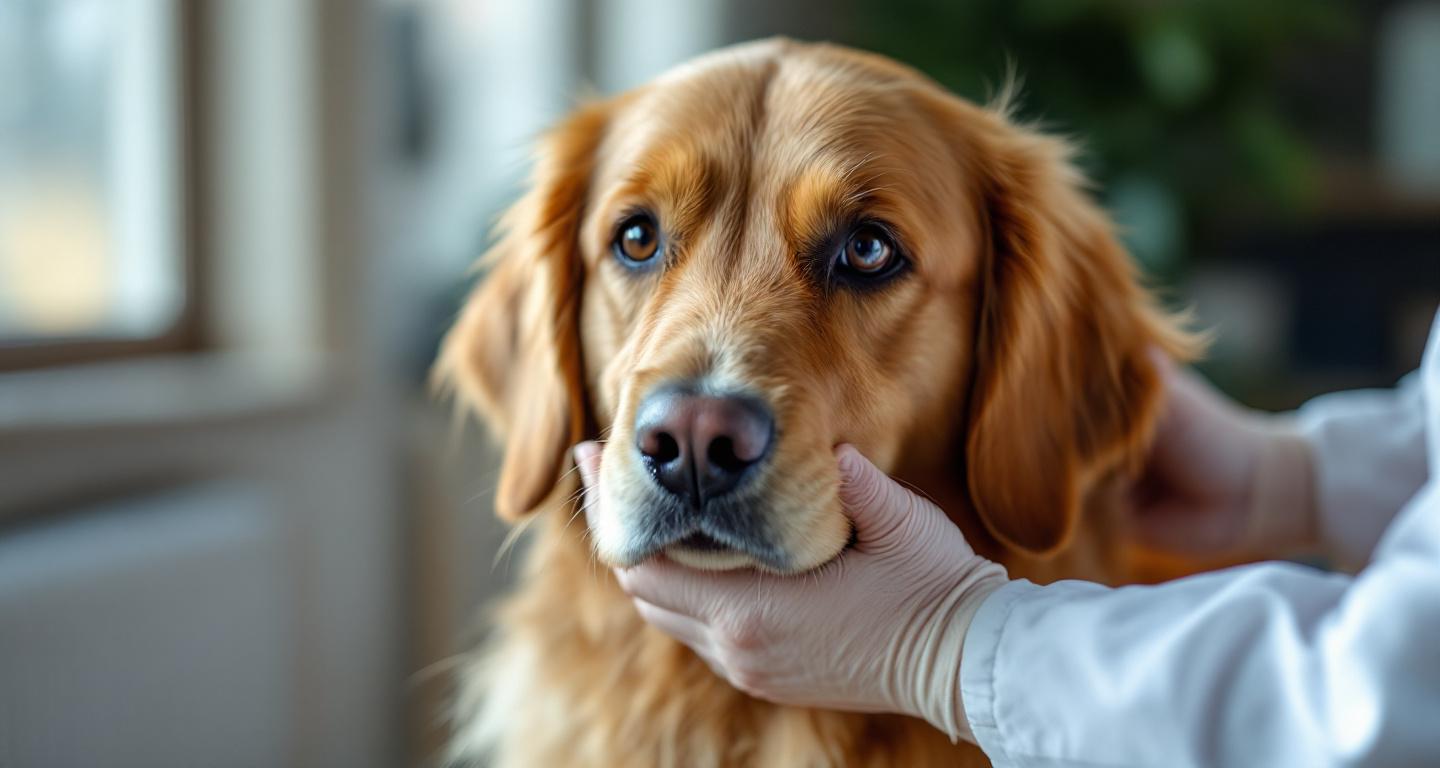
A pet's coat condition directly reflects their internal health, nutrition, and stress levels. Healthy pets have shiny, soft fur with minimal shedding, while dull, brittle, or patchy coats often indicate underlying health issues requiring veterinary attention.
Why Does Coat Health Mirror Internal Wellness?
Your pet's coat acts as a visible health report card because fur growth requires significant nutritional resources and energy. When pets are healthy, their bodies efficiently deliver nutrients to hair follicles, producing strong, lustrous fur. However, when illness, stress, or nutritional deficiencies occur, the body prioritizes vital organs over coat maintenance. This biological triage system means coat problems often appear weeks before other symptoms become obvious. The hair growth cycle takes 6-13 weeks in most pets, so current coat condition reflects your pet's health status from several weeks ago. Understanding this timeline helps pet owners recognize that sudden coat changes may indicate recent health shifts, while chronic coat issues suggest ongoing problems requiring professional attention.
What Does a Healthy Pet Coat Look Like?
Recognizing normal coat characteristics helps you identify when something changes. Healthy pet coats share these universal qualities:
- Natural shine and luster without oily residue or dry, brittle texture
- Consistent color throughout without patches of discoloration or fading
- Appropriate density for the breed with minimal excessive shedding
- Soft, smooth texture that feels pleasant to touch
- Clean, fresh smell without strong odors or musty scents
- Skin that appears pink or pigmented normally without redness, flakes, or irritation
- Even distribution across the body without bald spots or thin areas
How Do Nutritional Deficiencies Show in Fur?
Poor nutrition manifests in coat condition before affecting other body systems because hair production requires specific nutrients including protein, omega fatty acids, vitamins A and E, zinc, and biotin. Protein deficiency causes fur to become thin, brittle, and slow-growing since hair is primarily made of keratin protein. Essential fatty acid deficiencies result in dull, dry coats with excessive dandruff and increased shedding. Zinc deficiency creates patchy hair loss and skin irritation, while vitamin deficiencies can cause color changes or premature graying. Premium pet foods formulated by veterinary nutritionists typically provide balanced nutrition, but pets with food allergies, digestive issues, or those eating inappropriate diets may develop nutritional deficiencies. Senior pets and those with chronic illnesses often require specialized nutrition to maintain healthy coats as their bodies become less efficient at nutrient absorption.
What Coat Problems Signal Specific Health Issues?
Different coat abnormalities often correlate with specific health conditions, helping veterinarians focus their diagnostic approach:
- Excessive shedding or hair loss may indicate hormonal imbalances like thyroid disease, Cushing's disease, or seasonal allergies affecting the hair growth cycle
- Dull, brittle fur often signals digestive problems preventing nutrient absorption, liver dysfunction, or chronic kidney disease affecting protein metabolism
- Patchy bald spots can indicate fungal infections like ringworm, bacterial skin infections, or compulsive grooming behaviors caused by stress or pain
- Greasy, oily coats frequently accompany skin infections, hormonal disorders, or sebaceous gland problems requiring targeted treatment approaches
- Color changes or premature graying may suggest autoimmune conditions, vitiligo, or certain medications affecting pigment production in hair follicles
How Does Stress Affect Pet Coat Quality?
Chronic stress significantly impacts coat health through multiple pathways including hormone disruption, immune system suppression, and behavioral changes. Elevated cortisol levels from ongoing stress interfere with normal hair growth cycles, leading to increased shedding, slower regrowth, and dull appearance. Stressed pets often develop compulsive grooming behaviors, creating bald patches or irritated skin from excessive licking or scratching. Environmental stressors like moving homes, new family members, schedule changes, or insufficient mental stimulation can trigger coat problems weeks before behavioral symptoms become obvious. Some pets experience stress-related digestive upset that reduces nutrient absorption, indirectly affecting coat quality. Identifying and addressing stress sources often improves coat condition alongside other wellness interventions, highlighting the interconnected nature of physical and emotional health in pets.
Monthly Coat Health Assessment Checklist
Use this checklist during regular grooming sessions to monitor your pet's coat health:
- Run your hands through the entire coat, feeling for lumps, bumps, or sensitive areas
- Check for changes in texture, thickness, or overall appearance compared to last month
- Examine skin condition by parting fur in several locations to look for irritation or flaking
- Note any unusual odors, oily residue, or changes in natural scent
- Document shedding patterns and whether they seem excessive for the season
- Look for symmetry in coat distribution and identify any new bald or thin spots
- Take photos of any concerning areas to track changes over time
When Should You Consult a Veterinarian?
While minor coat variations are normal, certain changes warrant professional evaluation to identify underlying health issues early. Sudden, dramatic changes in coat quality within 2-4 weeks often indicate acute health problems requiring immediate attention. Gradual changes developing over months may suggest chronic conditions that benefit from early intervention. Persistent scratching, licking, or scratching that creates wounds requires veterinary care to prevent secondary infections and address underlying causes. Any coat changes accompanied by other symptoms like appetite loss, lethargy, excessive thirst, or behavioral changes should prompt veterinary consultation. Senior pets experiencing coat changes need evaluation since aging animals are more susceptible to hormonal, metabolic, and organ function problems. Regular veterinary wellness exams help establish your pet's normal coat baseline, making it easier to identify significant changes requiring investigation or treatment.
The coat is often the first place we see signs of internal disease. A pet owner who pays attention to coat changes and reports them early gives us a significant advantage in diagnosing and treating health problems before they become serious.
Dr. Amanda Roberts, DVM, Small Animal Internal Medicine
How Can You Support Optimal Coat Health?
Supporting healthy coat condition involves addressing nutrition, grooming, stress management, and preventive healthcare simultaneously. High-quality pet food formulated for your pet's life stage provides essential nutrients for hair growth and skin health. Regular grooming removes dead hair, distributes natural oils, and allows early detection of skin problems or parasites. Consistent exercise and mental stimulation reduce stress hormones that can negatively impact coat quality. Environmental factors like humidity levels, seasonal changes, and exposure to harsh chemicals also influence coat condition. Some pets benefit from omega fatty acid supplements, especially those with food sensitivities or dry skin conditions, but always consult your veterinarian before adding supplements to ensure appropriate dosing and avoid interactions with medications.
Frequently Asked Questions
How quickly do coat changes appear after health problems develop?
Coat changes typically appear 6-13 weeks after health issues begin because of the hair growth cycle. However, severe illnesses or nutritional deficiencies can cause visible changes within 2-3 weeks.
Can diet changes improve coat condition in healthy pets?
Yes, switching to higher-quality food with better protein sources and omega fatty acids can improve coat shine and texture within 6-8 weeks, even in healthy pets eating adequate nutrition.
Do indoor pets have different coat health considerations?
Indoor pets may have more consistent coat quality year-round but can develop issues from dry air, lack of natural sunlight, or reduced exercise affecting overall health and stress levels.
Are coat problems more common in senior pets?
Yes, senior pets commonly experience coat changes due to decreased grooming ability, slower metabolism, hormonal changes, and chronic health conditions affecting nutrient absorption and circulation.
How do seasonal allergies affect pet coat health?
Seasonal allergies cause excessive scratching, licking, and chewing that damages fur and skin. They also trigger inflammatory responses that can thin the coat and create hot spots or bald patches.
Can stress alone cause significant coat problems?
Absolutely. Chronic stress elevates cortisol levels, disrupts hair growth cycles, and often triggers compulsive grooming behaviors that create bald spots and skin irritation requiring veterinary treatment.
Find Trusted Veterinary Care
Your pet's coat health depends on expert veterinary care from professionals your community trusts. Tools like Linked By Six automatically show you which local veterinarians your friends and neighbors rely on, helping you find quality care through trusted connections rather than guessing from online reviews.
Your pet's coat serves as a valuable window into their overall health, often revealing nutritional deficiencies, stress, or underlying medical conditions weeks before other symptoms appear. By understanding what healthy coats look like and monitoring changes through regular grooming sessions, you can identify potential health issues early when they're most treatable. Remember that coat health reflects the complex interplay between nutrition, stress levels, genetics, and overall wellness. While you can support coat health through proper nutrition and grooming, significant or sudden changes warrant veterinary evaluation to address underlying causes. Partnering with a trusted veterinarian who knows your pet's normal baseline ensures that coat changes receive appropriate attention, helping maintain your pet's health and happiness throughout their life.